Sapa

NaN
Duc Nguyen, Pexels

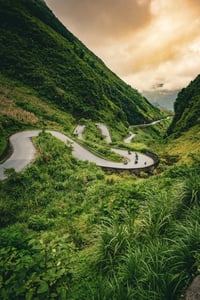
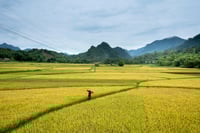
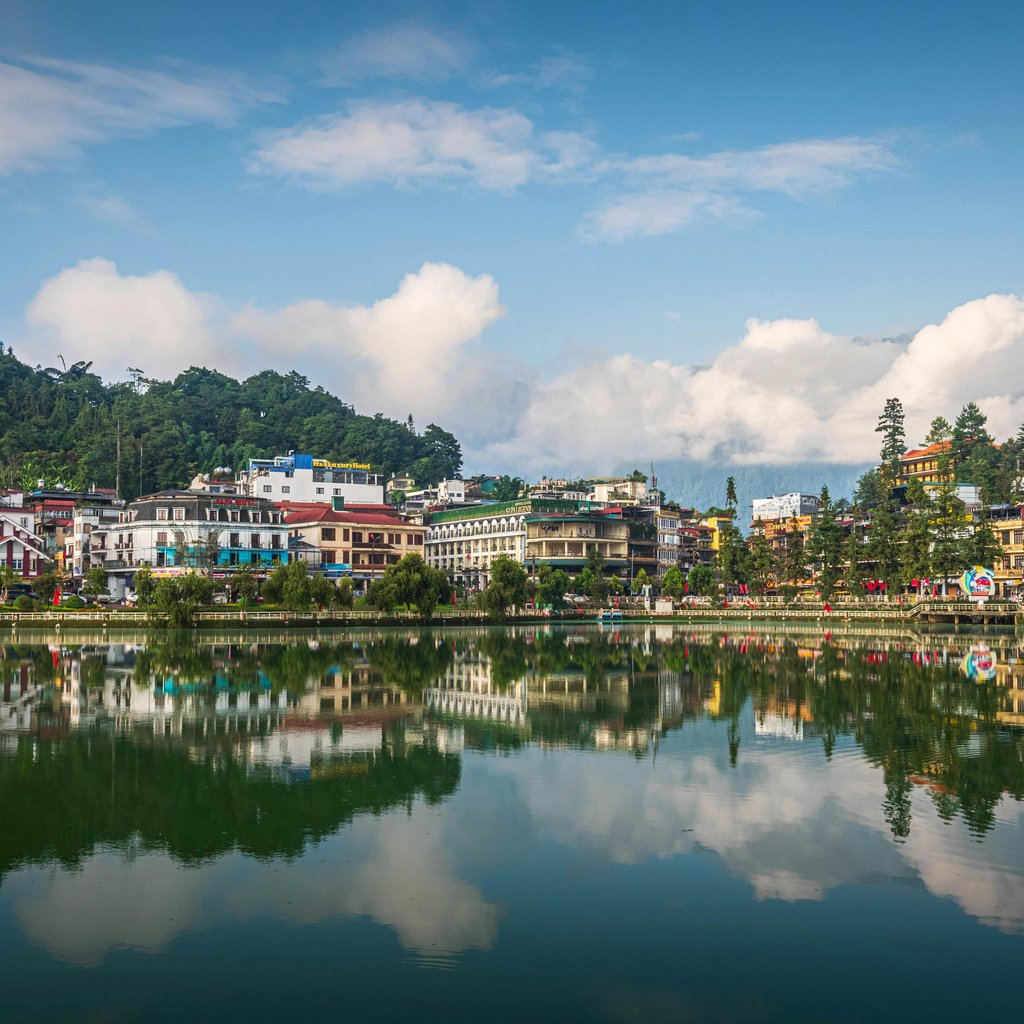
Sapa, Vietnam, is a mountainous town renowned for its stunning terraced rice fields, lush landscapes, and vibrant ethnic minority cultures, offering a mix of natural beauty, adventure, and cultural immersion.

Opportunities to socialize with other tourists and locals exist primarily at the Sapa Night Market on weekends and through immersive homestay experiences in ethnic minority villages, where interaction with local families is central.

Top 5 Things to do in Sapa

Activities in Sapa revolve around exploring vast terraced rice fields, engaging with diverse ethnic minority cultures, and experiencing the region's mountainous landscapes.

1. Trekking through Ethnic Villages and Rice Terraces

Embarking on a trek through Sapa's surrounding valleys and villages provides an intimate glimpse into the traditional lives of ethnic minority groups, such as the H'Mong, Red Dao, and Giay. These guided or self-guided walks wind through stunning terraced rice fields that cascade down mountainsides, offering breathtaking views that change with the seasons. A popular route leads to Cat Cat Village, situated approximately 3 kilometers from Sapa town. This village allows visitors to observe traditional stilt houses, witness local handicraft making like textile weaving and silver jewelry, and enjoy cultural performances by the H'Mong people near Cat Cat Waterfall. Longer treks can extend to villages like Lao Chai and Ta Van in the Muong Hoa Valley, offering opportunities for overnight homestays to foster deeper cultural connections.

Cost: Entrance fee for Cat Cat Village is approximately 150,000 VND for adults. For guided treks to other villages, costs typically range from $25 to $50 per day, often including one or two meals. Private tours may cost slightly more. Self-guided trekking is free, excluding village entrance fees where applicable.

Transport: Cat Cat Village is walkable from Sapa town (around 3 km). For other trekking routes, local transport such as motorbike taxis (often around 100,000-150,000 VND per day for rental ) or a taxi (around 200,000-250,000 VND ) can take you to starting points. Many tours include transport.


2. Conquering Fansipan Peak, the 'Roof of Indochina'

Ascending Fansipan Peak, the highest mountain in Indochina at 3,147 meters, offers unparalleled panoramic views of the surrounding valleys and misty mountains. While a challenging multi-day trek is an option for experienced hikers, most visitors utilize the modern cable car system for a convenient and scenic journey. The cable car ride itself provides spectacular aerial views of the Hoang Lien Son mountain range and the lush Muong Hoa Valley. At the summit complex, visitors can explore various pagodas, statues, and enjoy the 'Roof of Indochina' monument.
Cost: A round-trip cable car ticket for Fansipan costs approximately 800,000 VND on weekdays and Sundays, and 850,000 VND on Saturdays and holidays for adults. Children (1-1.4 meters tall) pay around 550,000 VND. An additional Muong Hoa Mountain Train ticket from Sapa town to the cable car station is around 200,000 VND for a round trip. There's also an optional short funicular ride (Do Quyen mountain train) near the summit for an additional 150,000 VND one-way up.
Transport: The Fansipan cable car station is accessible from Sapa town via a short taxi ride (10-15 minutes ) or by taking the Muong Hoa Mountain Train from Sun Plaza in Sapa town center.

3. Exploring Muong Hoa Valley

The Muong Hoa Valley is a vast, picturesque basin recognized for its stunning terraced rice fields and cultural richness. Visitors can immerse themselves in its tranquility by trekking through the valley, discovering ancient rock carvings, and observing the Muong Hoa Stream which meanders for 15 kilometers, connecting several ethnic villages. It's an ideal place for gentle walks or more challenging bike rides through verdant landscapes, allowing for quiet reflection and appreciation of nature's beauty and the agricultural ingenuity of the local people.

Cost: Exploring the valley itself has no general entrance fee, but specific activities or village visits within the valley may incur costs. For instance, renting a motorbike for a day to explore is typically 100,000-150,000 VND.

Transport: Muong Hoa Valley is located about 10 kilometers southeast of Sapa town. It can be reached by motorbike or taxi.

4. Visiting Silver Waterfall (Thac Bac) and Love Waterfall

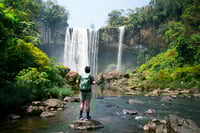
These two majestic waterfalls are iconic natural attractions near Sapa. Silver Waterfall, known as Thac Bac, captivates with its powerful cascades tumbling down from a great height, creating a shimmering effect. A short distance away, Love Waterfall is shrouded in a local legend, adding a romantic allure to its natural beauty. Both offer refreshing experiences and excellent opportunities for photography amidst lush, green surroundings.

Cost: Entrance fees for these waterfalls are typically minimal, often included in guided tours. Specific individual entrance fees were not consistently found for the past three years in the search results, but they are generally inexpensive.

Transport: Both waterfalls are situated approximately 12 kilometers from Sapa town along the road towards Lai Chau. They are easily accessible by renting a motorbike, taking a taxi, or joining a half-day tour. A private car for a half-day tour to these falls might cost around $65.

5. Exploring Sapa Town and Local Markets

Sapa town itself, while a starting point for many adventures, offers its own charm. Visitors can wander around the town square and marvel at the Sapa Stone Church, a significant architectural landmark. The local markets, particularly the Sapa Night Market on weekends, are vibrant hubs where ethnic minority communities gather. This provides an opportunity to observe local life, discover unique handicrafts like colorful textiles and traditional costumes, and savor authentic local cuisine, including various street foods and regional specialties.

Cost: Exploring Sapa town and its markets is generally free, though costs will apply for purchases of food, drinks, or souvenirs.

Transport: Most of Sapa town is easily walkable. No specific public transport costs within the small town are generally listed as it's compact enough to explore on foot.

Discover destinations in Vietnam