Pu Luong Nature Reserve

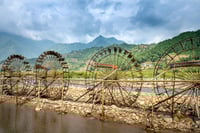
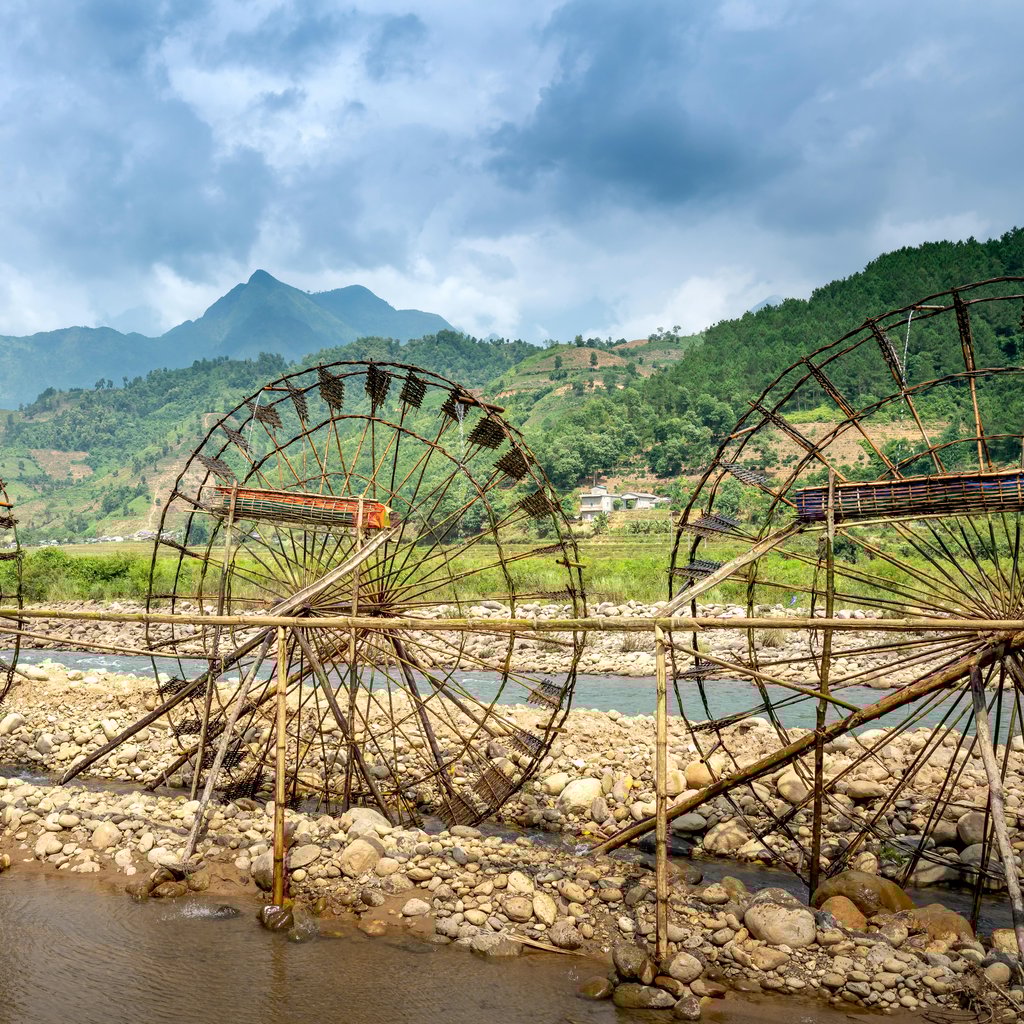
Row of water wheels between bamboo fence and green mounts under cloudy sky in foggy weather
Quang Nguyen Vinh, Pexels

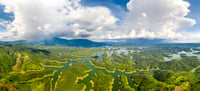
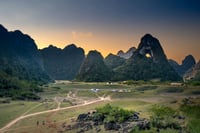
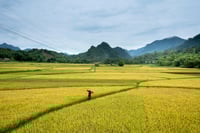
Pu Luong Nature Reserve is a serene destination in Vietnam, offering a tranquil escape amidst lush tropical forests, majestic limestone mountains, and extensive terraced rice fields. Visitors are drawn to its pristine natural beauty and the opportunity to engage with the authentic rural life of the local Thai, Tay, and Muong ethnic communities.

Opportunities to socialise with other tourists are primarily found within guesthouses and homestays, some of which feature shared common areas or facilities like infinity pools. Engaging with local families during homestays provides direct cultural interaction, including shared meals and traditional activities. The Pho Doan Market also offers a glimpse into local community gatherings.

Top 5 Things to do in Pu Luong Nature Reserve

Activities primarily involve trekking through stunning rice terraces and ethnic villages, experiencing local traditions, and discovering natural wonders like waterfalls and caves.

1. Trekking Through Terraced Rice Fields and Ethnic Villages

Embark on an immersive trek across the vast, cascading terraced rice fields that define Pu Luong's landscape. Walking these trails allows for direct engagement with the daily life of local Thai and Muong ethnic communities. Observe farmers at work, witness traditional stilt houses, and experience the tranquil rural atmosphere. Various routes cater to different fitness levels, from gentle walks around villages like Don and Uoi to more challenging multi-day hikes. It is an opportunity to appreciate the ingenious agricultural systems and the harmonious coexistence of people with nature. Guided treks enhance the experience, providing insights into local customs and the diverse flora and fauna.

Cost: Trekking itself is free. Hiring a local guide for a day trek typically ranges from $30-$50 USD, often included in tour packages. Many 2-day/1-night or 3-day/2-night tours from Hanoi, which include guided trekking, transportation, accommodation, and meals, can cost between $90 and $280+ USD per person.

Transport: Many trekking trails are accessible directly from guesthouses and homestays within villages like Don and Hieu. For starting points further afield, a motorbike taxi (xe om) can be hired locally, with prices negotiated based on distance. If part of a tour, transfers within the reserve are usually included.


2. Bamboo Rafting on Cham Stream

Experience the peaceful flow of the Cham Stream by participating in a traditional bamboo rafting excursion. Locals adeptly paddle these handcrafted rafts, offering a unique perspective of the surrounding rice fields and riverside life. It is a tranquil and culturally enriching activity, often combined with visits to nearby water wheels and villages. This allows for a deeper appreciation of the simple yet effective traditional methods of life in the reserve.

Cost: Often included as part of guided tours or packages. For a private, half-day tour including bamboo rafting, costs can be around $70 USD per person, which may cover private transport and a local guide.

Transport: Access to Cham Stream for rafting is typically arranged via local transport from your accommodation, often by motorbike taxi or included shuttle if on a tour.

3. Visiting Hieu Waterfall

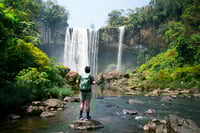
Trek to the multi-tiered Hieu Waterfall, a natural wonder nestled within lush tropical vegetation. The clear water cascades into several basins, inviting visitors for a refreshing swim, especially after a trek. The journey to the waterfall passes through picturesque landscapes and local houses, offering stunning views and a chance to interact with villagers. It is an ideal spot to relax, cool down, and immerse oneself in the serene natural environment.

Cost: Access to the waterfall is generally free, though it is commonly part of guided trekking tours. If visiting independently, local transport like a motorbike taxi to Hieu village would be the primary cost, negotiated with the driver.

Transport: Hieu Waterfall is located near Hieu village. From central areas like Don village, one can reach Hieu village by motorbike, followed by a short walk down to the waterfall. Many tours include transport to the starting point of the trek to the waterfall.

4. Exploring Traditional Water Wheels

Witness the ingenious traditional bamboo water wheels that are a hallmark of Pu Luong. These fascinating structures are built by the local Thai and Muong ethnic groups to lift water from streams to irrigate the terraced rice fields. Observing these simple yet effective devices in action provides a captivating glimpse into the sustainable agricultural practices and the resourcefulness of the local communities. They are particularly impressive during the dry season when water levels are low.

Cost: There is no direct cost for viewing the water wheels. They are typically encountered during treks or as part of guided tours, where the cost is inclusive.

Transport: Water wheels are found along streams and rivers throughout the reserve, often accessible during treks through villages like Ban Cong and Chieu Lau. Transport to these areas is usually by motorbike taxi or tour vehicle.

5. Visiting Kho Muong Village and Bat Cave

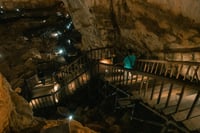
Embark on an adventure to Kho Muong, a remote village that offers a profound insight into the authentic rural life of ethnic minorities. The trek to Kho Muong often involves navigating scenic trails through rice fields and jungle. Near the village lies a large cave, sometimes referred to as 'Bat Cave,' which provides an exciting opportunity for exploration. This activity combines cultural immersion with an element of adventure, showcasing the untouched beauty and hidden wonders of the reserve.

Cost: Typically included in multi-day trekking tours. For independent travel, costs would include a local guide and possibly a small entry fee for the cave, plus motorbike taxi fares to reach the village.

Transport: Kho Muong village is relatively isolated. Access is primarily by trekking, often with a guide. Motorbike taxis can take you to a nearby starting point for the trek. Tours usually arrange transfers to and from the village.
Discover destinations in Vietnam