Ba Be Lake

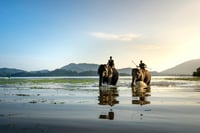
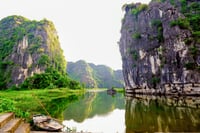
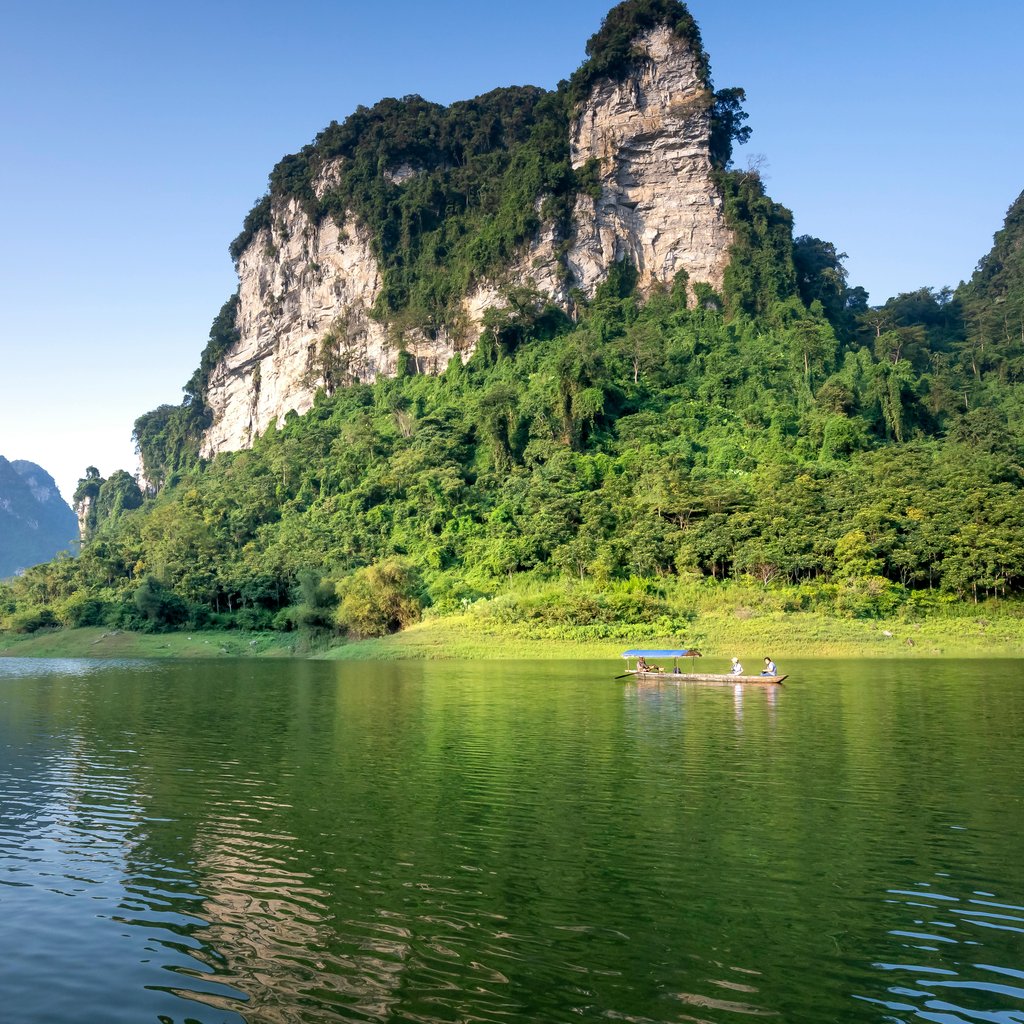
Idyllic landscape of a lush mountain with calm lake reflection under a clear blue sky.
Quang Nguyen Vinh, Pexels

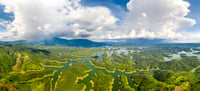
Ba Be Lake, nestled within Ba Be National Park in Northern Vietnam, is the country's largest natural freshwater lake. It presents a captivating blend of serene emerald waters, dramatic limestone mountains, and lush forests, offering a less commercialized and authentic Vietnamese experience focused on nature, culture, and adventure.

Opportunities to socialize with other travelers are typically found within local homestays in ethnic villages like Pac Ngoi. These homestays, primarily run by Tay people, offer a chance to share meals and experience local customs, fostering a cultural connection rather than a large-scale backpacker party scene.

Top 6 Things to do in Ba Be Lake

Activities in Ba Be Lake primarily revolve around exploring its natural beauty by water and land, engaging with local culture, and discovering its unique caves and waterfalls.

1. Boat Trip on Ba Be Lake and Nang River

Embarking on a boat trip offers a serene way to experience the vastness of Ba Be Lake and the scenic Nang River. These journeys often include stops at key natural attractions such as Puong Cave, Dau Dang Waterfall, and the peaceful An Ma Temple located on an island. It provides opportunities to observe local fishing life and appreciate the surrounding limestone mountains and lush forests. Early morning or sunset cruises can offer particularly captivating views.

Cost: A full boat trip covering major sights like Puong Cave, Dau Dang Waterfall, Fairy Pond, and An Ma Temple typically costs around 800,000 VND per boat (which can be shared by up to 12 people). Shorter routes are available for lower costs, starting from 200,000 VND for specific lake-only trips. Tours often bundle this activity with other inclusions, with prices varying.

Transport: Boats can be hired from various points around the lake, including the Ba Be boat wharf or directly from Pac Ngoi village, where many homestays are located. Travel to the lake itself from Hanoi is typically by comfortable limousine vans (around 4.5 to 5 hours, approximately 12 USD) or local buses (around 11.5 USD to Cho Ra town, then further transport needed).


2. Kayaking on Ba Be Lake
Kayaking provides a more intimate and active exploration of Ba Be Lake. It allows visitors to paddle at their own pace, reach quieter coves, and get closer to the limestone cliffs and smaller islands. This eco-friendly activity is ideal for birdwatching or capturing photographs of the tranquil landscape. Life jackets are mandatory.

Cost: Kayaks are generally available for rent at approximately 8 USD per hour for two people. Some homestays may offer rental services.

Transport: Kayaks are typically rented directly from lakeside homestays or designated rental points in villages like Pac Ngoi.

3. Trekking in Ba Be National Park

The national park offers diverse trekking trails ranging from easy lakeside walks to more challenging routes through dense forests and mountainous terrain. These treks provide opportunities to explore the park's varied flora and fauna, reach panoramic viewpoints, and visit remote ethnic villages of the Tay, Dao, and Hmong people, offering insights into their traditional way of life. Trails can lead to hidden waterfalls and caves not accessible by boat.

Cost: The national park entrance fee is 70,000 VND. While some easy trails can be explored independently, it is recommended to hire a local guide for safety and a richer cultural experience, especially for longer or more remote treks.

Transport: Trekking routes often start from villages like Pac Ngoi or other designated points within the park. Access to these starting points is typically by walking, cycling, or local transport from your homestay.

4. Cycling around Ba Be Area

Cycling is an excellent way to discover the charming surroundings of Ba Be Lake. Scenic routes pass through tranquil forests, traditional villages, and along the picturesque lakeshore. It allows for a more immersive and flexible exploration of the local landscape and culture, with opportunities to stop at will and interact with villagers.

Cost: Many local homestays provide bicycles, sometimes free of charge or for a small rental fee.

Transport: Bicycles are typically available directly from homestays in villages such as Pac Ngoi. Roads around the lake are generally suitable for cycling.

5. Visiting Hua Ma Cave

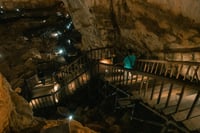
Located to the south of Ba Be Lake, Hua Ma Cave is a remarkable natural wonder. It features magnificent shimmering cliffs, stalactites, and stalagmites within its expansive chambers. The cave is known for its airy interior and is steeped in local legends. Reaching the cave involves a climb of about 300 meters from the mountain's foot.

Cost: The entrance fee for Hua Ma Cave is 45,000 VND.

Transport: Hua Ma Cave is approximately 6 km from Pac Ngoi village, making it accessible by bicycle (about 30-45 minutes ride) or as part of an organized tour.

6. Staying in a Local Homestay

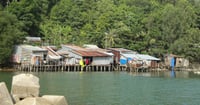
An essential part of the Ba Be experience is staying in a traditional stilt house homestay, primarily operated by the Tay ethnic people in villages like Pac Ngoi. This offers a genuine cultural immersion, providing opportunities to enjoy home-cooked Vietnamese meals with local families and learn about their customs and daily life firsthand. It fosters cultural connection and is central to the authentic Vietnamese experience in Ba Be.

Cost: Costs for homestays vary but are generally affordable, often including meals. For example, some offer dorms from $5 a night and private rooms from $10, with dinner ranging from 100,000-200,000 VND.

Transport: Homestays are predominantly located in villages like Pac Ngoi, which is the main hub accessible by road at the southern end of the lake. Transfers from Hanoi by limousine van typically drop off near these villages.

Discover destinations in Vietnam