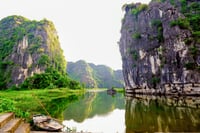
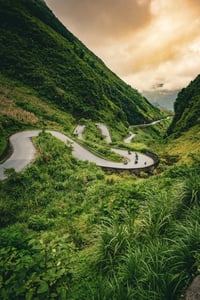
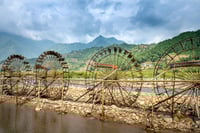
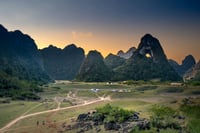
Pleiku, nestled in Vietnam's Central Highlands, offers a distinctive blend of natural beauty, rich local culture, and historical depth. Visitors can discover serene volcanic lakes, impressive waterfalls, and explore the traditions of various ethnic minority groups.
Pleiku is not characterized by a concentrated district for socializing with other tourists or backpackers. Instead, social interactions tend to occur more organically through local markets, community festivals, and during visits to ethnic minority villages, offering an authentic immersion into local life rather than a designated tourist hub.
Top 5 Things to do in Pleiku
Visitors can engage with natural landscapes, delve into unique cultural experiences, and explore historical sites within and around Pleiku.
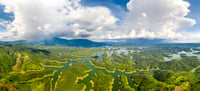
1. T'Nung Lake (Bien Ho Lake) and Bien Ho Tea Plantation
This stunning volcanic crater lake is often referred to as the 'Eye of Pleiku' due to its clear, expansive waters. It offers a tranquil escape with fresh air and picturesque views, ideal for relaxation and photography. Nearby, the Bien Ho Tea Plantation presents vast, verdant tea hills that stretch across the landscape, providing a serene backdrop. One can enjoy leisurely strolls or simply absorb the peaceful ambiance. Consider renting a small boat to experience the lake from a different perspective.
Cost: Access to the lake and tea plantation is generally free, though minor fees may apply for parking or specific activities like boat rentals if available.
Transport: Located approximately 7 kilometers from Pleiku city center, T'Nung Lake and the tea plantation are best reached by taxi (estimated 70,000-100,000 VND one way) or rented motorbike (around 100,000-150,000 VND per day).
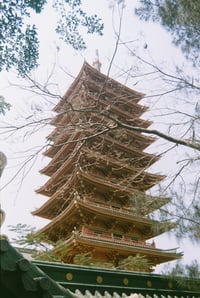
2. Minh Thanh Pagoda
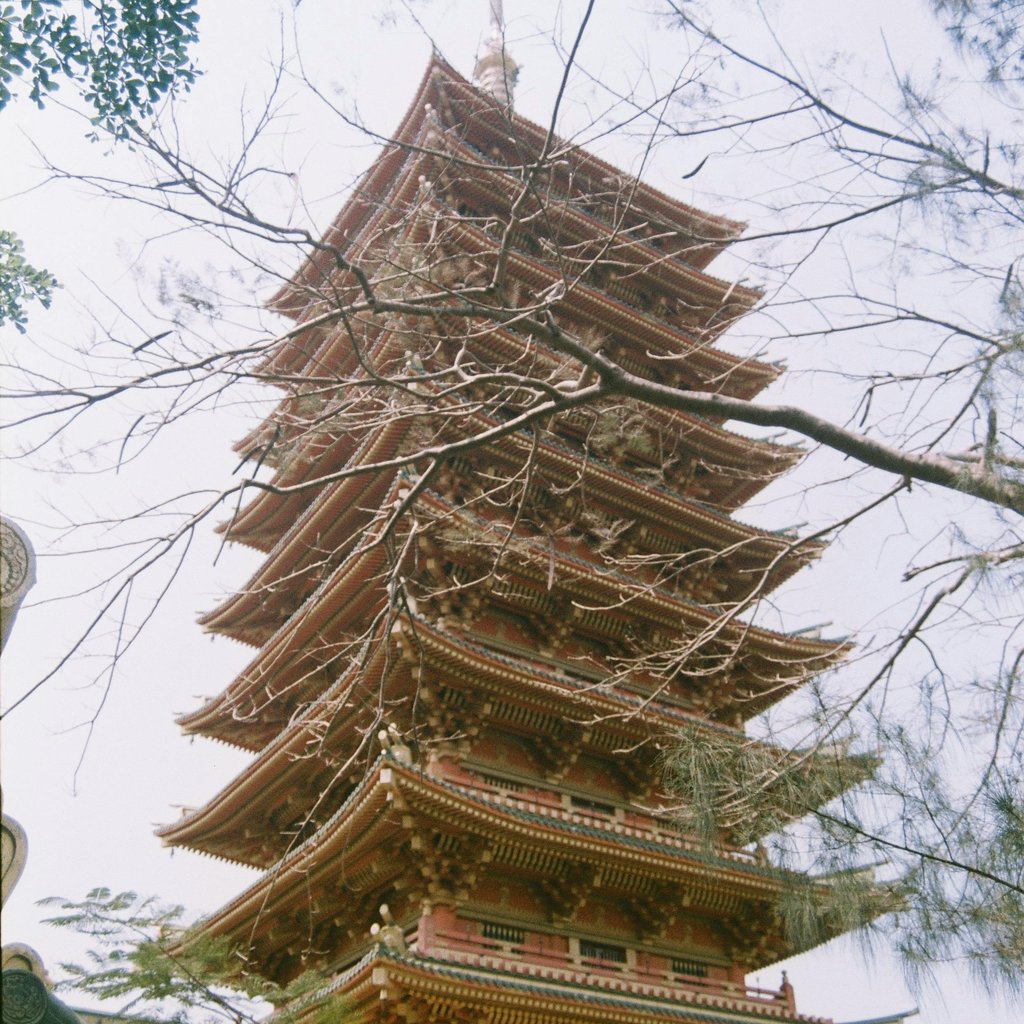
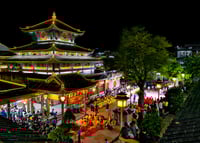
Minh Thanh Pagoda is a significant spiritual site renowned for its unique architectural fusion, blending influences from Vietnamese Ly and Tran dynasties with Chinese, Japanese, and Taiwanese styles. It features intricate carvings, a serene green campus, and a majestic 72-meter-high nine-story relic tower. The pagoda offers a peaceful sanctuary for reflection and provides a glimpse into local Buddhist practices.
Cost: Entrance to Minh Thanh Pagoda is free.
Transport: Situated about 2 kilometers from Pleiku city center, the pagoda is easily accessible by a short taxi ride (estimated 20,000-30,000 VND) or rented motorbike. It is also potentially walkable depending on the starting location.
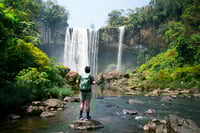
3. Phu Cuong Waterfall
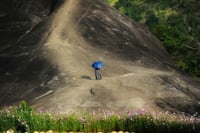
Journey to Phu Cuong Waterfall, a powerful 45-meter high cascade set against a backdrop of dense forest and volcanic rock. The waterfall flows over the lava base of an inactive volcano, creating a striking natural spectacle. Visitors can hike down to its base to feel the refreshing mist and raw power of the falls. It is a popular spot for picnics and enjoying the cool mountain air. The waterfall's appearance varies with the seasons, being most voluminous during the rainy season and more delicate in the dry season.
Cost: The entrance fee to Phu Cuong Waterfall is approximately 25,000 VND per person.
Transport: Located about 40-45 kilometers southeast of Pleiku city, reaching Phu Cuong Waterfall typically requires a taxi (estimated 400,000-600,000 VND one way) or a rented motorbike. Group tours often include this destination, which can be a more cost-effective option.
Immerse oneself in the rich cultural heritage of the Bahnar and Jarai ethnic groups by visiting their traditional villages, such as Dektu and Dekrol. Here, one can observe their unique way of life, traditional Rong houses (communal houses with tall, curved roofs), and learn about their customs. Some visits may include witnessing a traditional Gong performance or exploring a local graveyard with distinct wooden statues. Engaging with the local communities offers an authentic cultural experience.
Cost: Visiting these villages is typically part of a guided tour due to the distances and the benefit of a local guide for cultural immersion. Tour prices vary, with a full-day tour potentially costing around 80 USD, which often includes transport, a guide, and entrance fees. Self-serving without a local guide can be challenging due to language barriers and historical permit requirements for the province.
Transport: These villages are located outside the city center and require private transport or joining a tour. Tour operators in Pleiku arrange transportation.
5. Gia Lai Museum & Dai Doan Ket Square
Explore the history and culture of Gia Lai province at the Gia Lai Museum, which houses a collection of artifacts from various local ethnic groups, showcasing their traditions and the region's historical narrative, including its role in past conflicts. Adjacent to the museum is Dai Doan Ket Square, a prominent public space featuring an impressive 11-meter-tall statue of Ho Chi Minh and a 58-meter-long sculpture symbolizing the unity of Vietnam's diverse ethnic groups. It's a place to understand the local heritage and observe daily life.
Cost: Entrance to the Gia Lai Museum is typically free or has a very nominal fee. Dai Doan Ket Square is a public space with no entrance fee.
Transport: Both the Gia Lai Museum and Dai Doan Ket Square are conveniently located within Pleiku city center, making them easily accessible by foot from many accommodations or a short taxi ride.
At TFA Travel we believe in travel for all. Our mission is to enable people to explore the world as easily as possible without having to pay a travel agent a huge commission.
Our typical audience are those that want to see something new and get involved with authentic experiences of a country. Whether you are a backpacker, solo traveller, solo female traveller, straight or LGBTQ+ couple, family, you will find local and authentic experiences here.