Nakhon Ratchasima

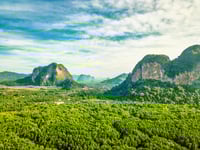
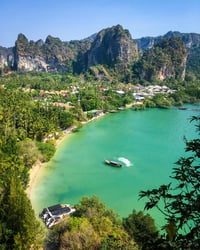
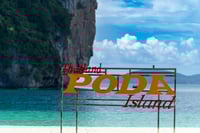
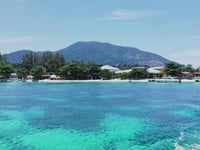
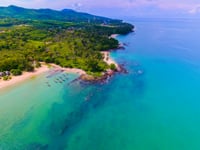
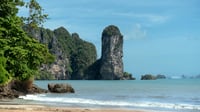
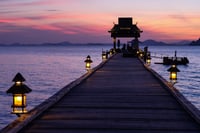
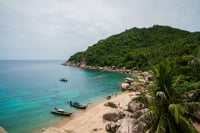
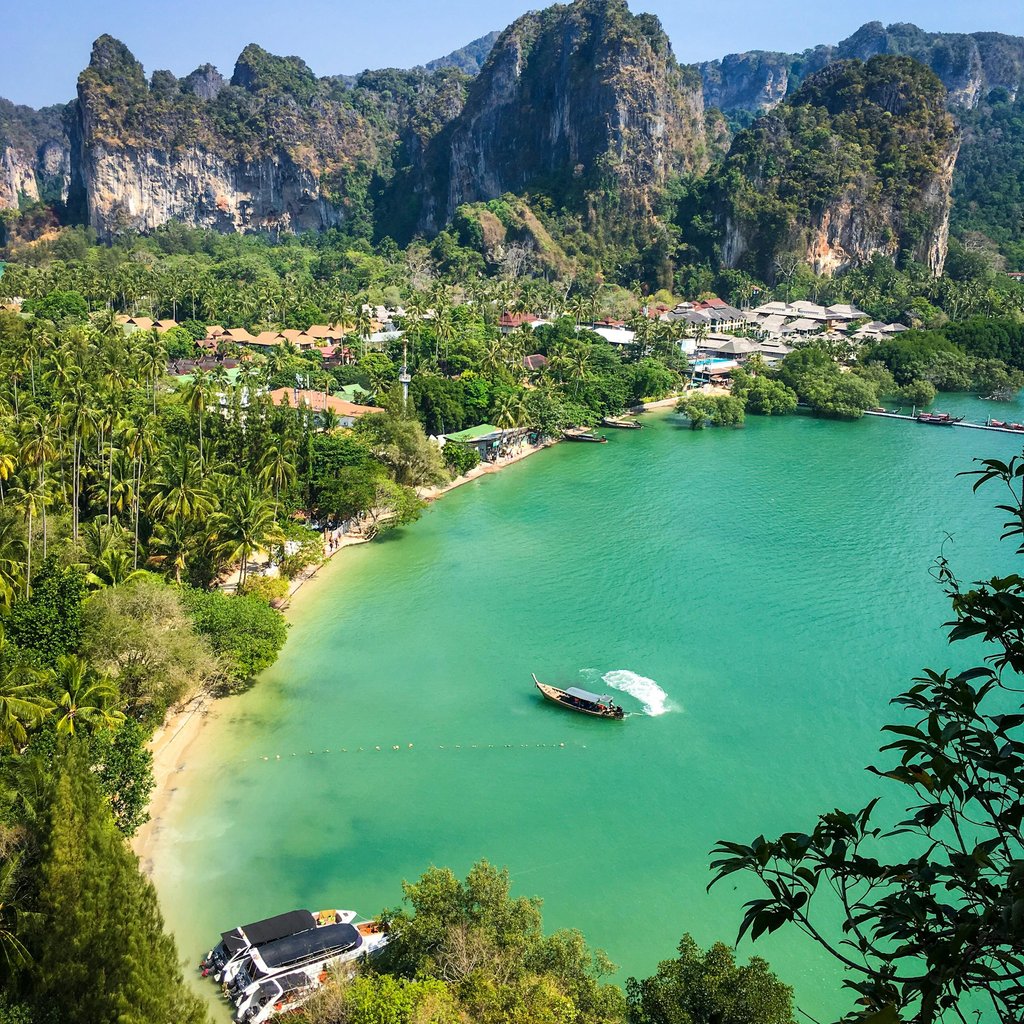
Explore the breathtaking emerald waters and lush landscapes of Railay Beach in Krabi, Thailand.
Una Baufala, Pexels

As I explored Nakhon Ratchasima, often known as Korat, I found it to be a captivating gateway to Thailand's northeastern Isaan region, seamlessly blending rich historical sites and vibrant local culture with significant natural wonders. This destination offers an experience away from mainstream tourist crowds, ideal for those seeking genuine Thai life and diverse attractions.

During my time in Nakhon Ratchasima, I observed that while it isn't a primary backpacker hub, opportunities for socializing exist, particularly at its bustling night markets like Save One Night Market, where locals and visitors mingle amidst a lively atmosphere of food and entertainment. I also noted the presence of various bars and nightclubs catering more to local tastes, though a few spots, such as Monkey Bar, appeared to attract a smaller expatriate community.

Top 5 Things to do in Nakhon Ratchasima

Exploring Nakhon Ratchasima reveals a blend of ancient Khmer history, significant cultural landmarks, and expansive natural landscapes.

1. Phimai Historical Park

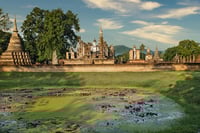
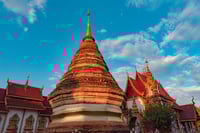
I found myself stepping back in time while exploring Phimai Historical Park, an impressive Khmer temple complex that predates Cambodia's Angkor Wat. The intricate sandstone carvings and the grandeur of the main prang offer a profound glimpse into ancient history. Within the park, the Phimai National Museum further enriched my understanding with a collection of artifacts unearthed from the area. It is a place of quiet reflection, allowing one to appreciate the ancient architecture without large crowds.

Cost: The entrance fee for foreigners is 100 Baht, which includes access to the Phimai National Museum if visited on the same day.

Transport: To reach Phimai Historical Park, I took a bus from Nakhon Ratchasima bus station to Phimai town, a journey of about 90 minutes. Buses depart every half hour. From Phimai bus station, local songthaews were available for a short ride to the park itself.


2. Khao Yai National Park

Venturing into Khao Yai National Park, I experienced Thailand's oldest and third-largest national park, a UNESCO World Heritage site. The park's diverse ecosystems support an array of wildlife, from elephants and gibbons to various bird species. I witnessed impressive waterfalls, such as Haew Narok, which plunges with considerable force. Due to the vast distances within the park, exploring by vehicle is essential to fully appreciate its natural beauty and spot wildlife.

Cost: The entrance fee for foreign visitors is generally 400 Baht for adults and 200 Baht for children. Inside the park, renting a bicycle might cost around 20 Baht per hour, while golf carts are around 300 Baht per hour. A private taxi or tour for the day would incur higher costs, likely starting from 1,000 Baht upwards depending on duration and stops.

Transport: Khao Yai National Park's main entrance is in the Pak Chong district of Nakhon Ratchasima province. One can take a train from Nakhon Ratchasima to Pak Chong, and then a taxi or songthaew to the park entrance. Alternatively, driving from Nakhon Ratchasima takes about 1 hour and 40 minutes. Once inside the park, distances between attractions are substantial, making a hired vehicle, taxi, or joining a guided tour the most practical way to explore.

3. Thao Suranari Monument

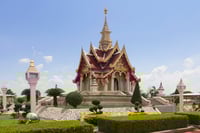
I visited the Thao Suranari Monument, a significant landmark in the heart of Nakhon Ratchasima city. This monument honors Khun Ying Mo, or Ya Mo, a revered heroine who bravely led a local defense. I observed locals and visitors alike paying their respects and making wishes, highlighting its role as a spiritual and historical symbol for the community. The monument offers a central point to connect with the city's proud heritage.

Cost: Visiting the monument is free of charge.

Transport: The monument is centrally located in Nakhon Ratchasima city, making it easily accessible by walking from nearby accommodations or via a short ride on a local tuk-tuk or songthaew.

4. Wat Non Kum (Luang Pho To Temple)

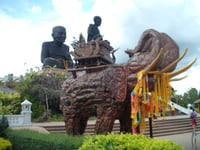
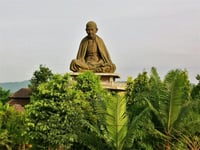
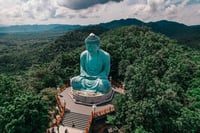
My visit to Wat Non Kum, also known as Wat Luang Pho To, allowed me to experience a serene and culturally rich temple. The highlight is the impressive 27-meter tall statue of Luang Pho To (Somdej Toh), a highly revered Buddhist monk, which many believe brings good fortune and health to those who worship here. The temple grounds feature well-maintained gardens and interesting sculptures, offering a peaceful atmosphere for quiet contemplation.

Cost: Entry to Wat Non Kum is free, though donations are appreciated to support the temple's ongoing maintenance and development.

Transport: Wat Non Kum is located in Sikhio District, approximately 42 kilometers from Nakhon Ratchasima city. I found the most convenient way to reach it was by taxi or private car, as direct public transport from the city center is not readily available.

5. Save One Night Market

Immersing myself in the local vibe, I spent an evening at Save One Night Market. This bustling market is a lively hub where locals and visitors converge amidst a vibrant atmosphere of food and entertainment. I explored countless stalls offering a wide array of delicious and affordable street food, fresh produce, and various goods. It is an excellent place to experience authentic Thai street life, sample local cuisine, and observe the community spirit.

Cost: Costs are entirely dependent on personal purchases, but food and goods at the market are generally very affordable.

Transport: Save One Night Market is situated within Nakhon Ratchasima city. I easily reached it by a short taxi or songthaew ride from the city center.

Discover destinations in Thailand