Getting There and Away

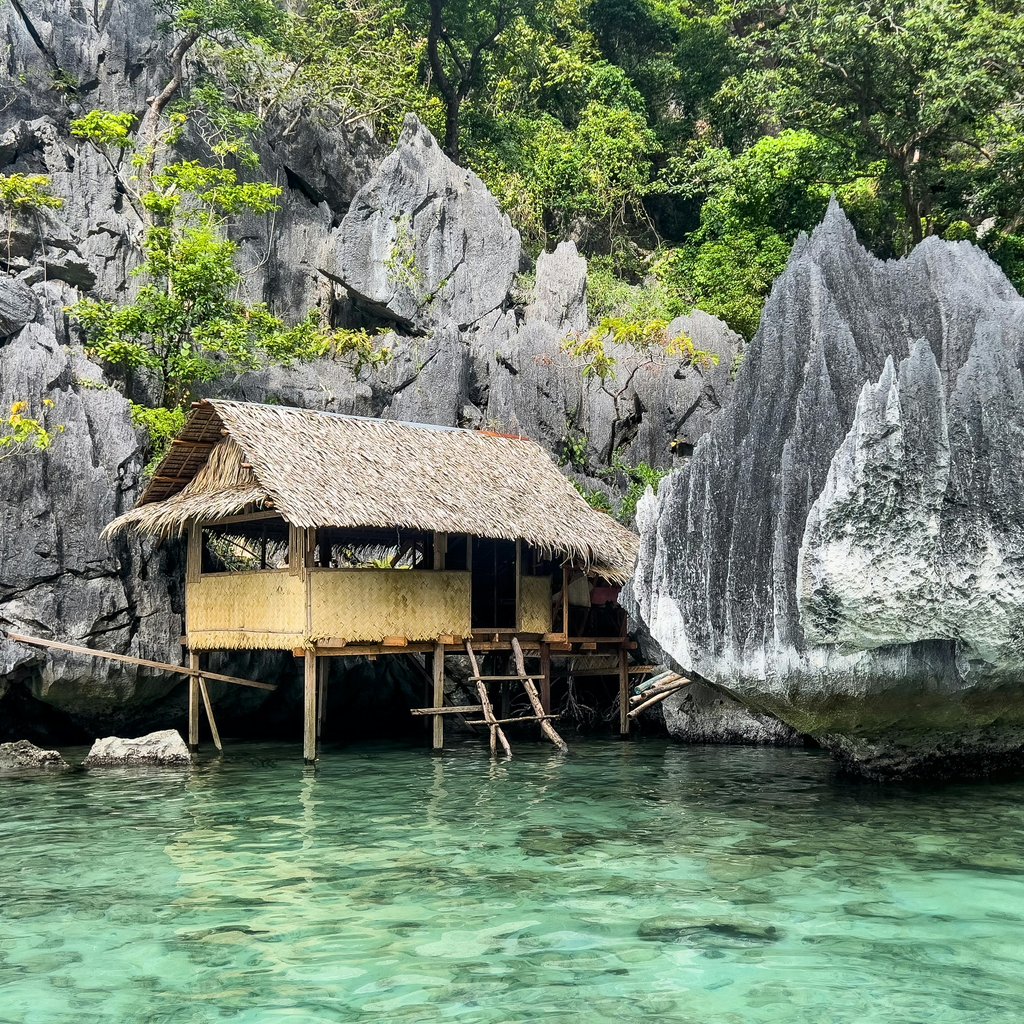
Tranquil bamboo hut by clear waters amidst limestone cliffs in Coron, Philippines.
Pinkmean Creative, Pexels

The primary gateway to Coron is Francisco B. Reyes Airport (USU), also known as Busuanga Airport, located on Busuanga Island, approximately 40 minutes' drive from Coron Town. For sea travel, Coron Port serves as the main ferry terminal in Coron Town.

By Air (to/from Manila):

Flights are the fastest way to reach Coron from Manila, typically taking around 1 hour and 10 minutes to 1 hour and 40 minutes. Major airlines like Cebgo, Philippine Airlines, Sunlight Air, and AirSWIFT operate daily direct flights. One-way fares from Manila to Coron can start from approximately ₱1,920 to ₱2,480. Upon arrival at Busuanga Airport, travelers can take a shared shuttle van to Coron Town for about ₱150, with the journey lasting around 40-45 minutes.


By Air (to/from El Nido):

Direct flights between El Nido and Coron are available via AirSWIFT, with a quick travel time of about 40 minutes. Fares typically range from ₱3,500 to ₱5,000.

By Ferry (to/from Manila):

A more leisurely option is to take a ferry operated by 2GO Travel from Manila North Harbor Pier 4 to Coron Pier. The journey usually takes between 11 to 13 hours. Ferries typically depart once a week, for instance, Fridays from Manila to Coron and Sundays from Coron to Manila. Ticket prices generally range from ₱800 to ₱1,444.

By Ferry (to/from El Nido):

Fast ferries connect Coron and El Nido, with services provided by companies such as Montenegro Shipping Lines, Jomalia Shipping, and Atienza InterIsland Ferries. The fast ferry crossing takes approximately 3 hours and 20 minutes to 3.5 hours. Fares are typically between ₱2,550 and ₱3,000. Multiple daily departures are usually available in the morning.

Multi-Day Island Hopping Expedition (to/from El Nido):

For a unique travel experience, multi-day island hopping expeditions are offered between Coron and El Nido. These tours, often lasting 3 to 4 days, incorporate travel with exploration of islands and marine life along the way, providing a distinct alternative to direct transport.