How to get around Philippines
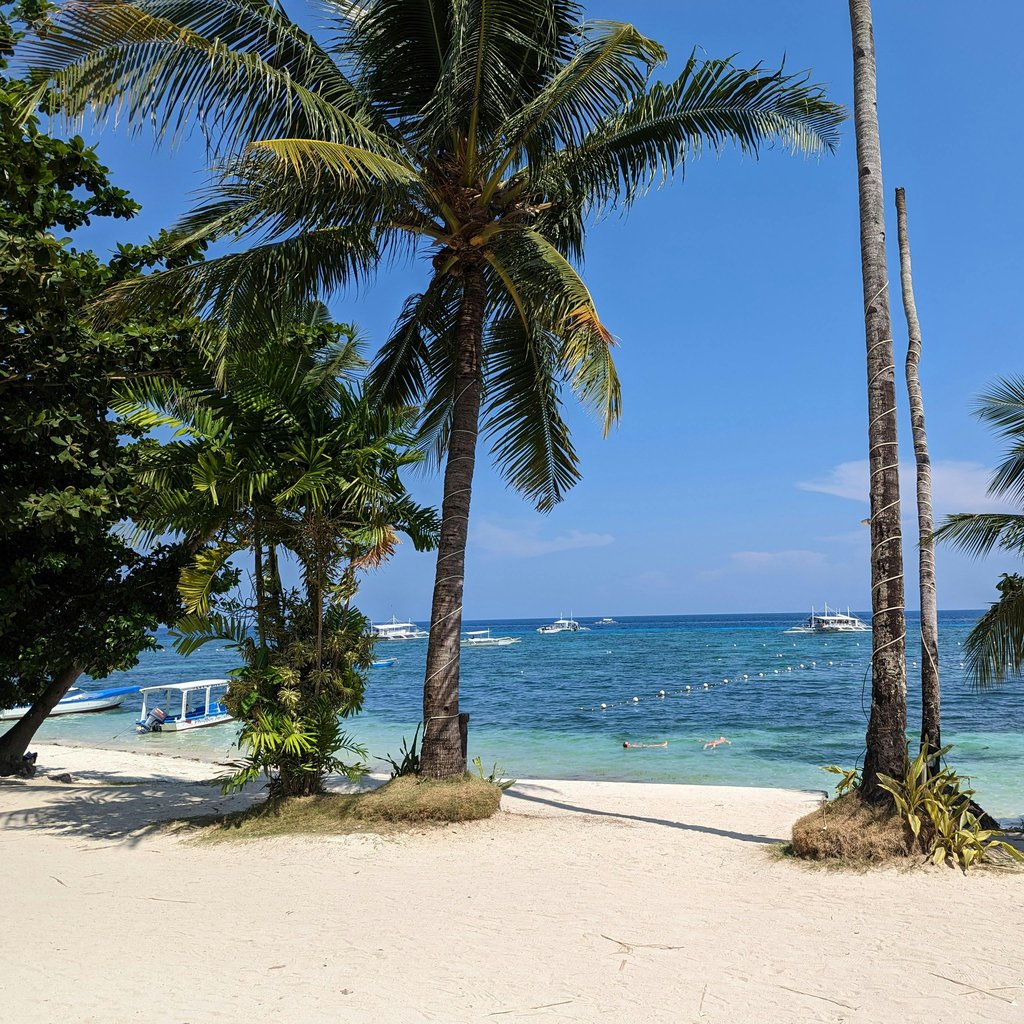
Navigating Philippines is straightforward with a variety of public and private transport options. Here's what you need to know about getting between and within its cities and towns.
Inter-City Travel
Traveling between cities in the Philippines offers a range of options depending on budget and desired speed. Flights are the fastest way to cover long distances, especially for island hopping. Domestic flights can range from approximately $23 to $45 USD for closer destinations like Manila to Cebu or Boracay, and $30 to $100 USD for farther destinations like Davao or Palawan. For budget travelers, look for sales from airlines.
Buses are a popular and affordable choice for intercity travel on larger islands like Luzon. Bus fares typically range from ₱100 to ₱500 or more, depending on distance and amenities. An overnight bus from Manila to Naga City can cost around $20 USD (₱1,000), while a trip to Banaue might be $10 USD (₱500).
Ferries are essential for inter-island travel and offer a scenic, though slower, option. Ticket prices vary from ₱260 to ₱420 for short, one-hour routes (e.g., Bacolod to Cebu) and ₱1,400 to ₱3,600 for longer routes (e.g., Manila to Cagayan de Oro, a 33-hour journey). Prices can range from $10 to $50 USD depending on the route.
There are different types of ferries, including Bangka (cheap, buy tickets at the dock), ROROs (Roll-On, Roll-Off, booked in advance), Fastcrafts (faster, air-conditioned, higher price), and Passenger Liners (large, offer different classes, booked in advance).
Travel Within Cities
Within cities, several transportation methods cater to various budgets. Jeepneys are the most economical and iconic mode of transport, with minimum fares for traditional jeepneys at ₱13 and modern jeepneys at ₱15. For short trips within cities like Manila and Cebu, jeepneys are very affordable, around $0.20 to $0.35 USD (₱10-₱20).
Tricycles, which are motorcycles with sidecars, are common for shorter distances. Fares can range from ₱10 to ₱200 per person depending on the route and scarcity. In Manila, the flat rate per passenger for the first kilometer is ₱16, with an additional ₱5 for every succeeding 500 meters. A 'special trip' where a passenger occupies the entire tricycle will cost more, equivalent to what two or three passengers would pay.
Taxis provide door-to-door comfort in major cities. Metered taxi fares in the Philippines generally start at ₱40 to ₱70, with an additional ₱3.50 to ₱14 per 300 meters or kilometer, and ₱3.50 to ₱4.00 for every two minutes of waiting time. A 5km taxi ride in Manila costs around ₱110 to ₱120.
Ride-hailing apps like Grab are available in major cities such as Metro Manila and Cebu City. GrabCar fares consist of a base fare (₱45), a distance rate (₱15 per kilometer), a duration rate (₱2 per minute), and a surge multiplier that can go up to twice the distance and duration fees, especially during high demand. A 14km taxi ride in Cebu City cost about ₱195-351, while a Grab Taxi for the same distance ranged from ₱134-234.
In Manila, the LRT/MRT train system is an option to avoid traffic, with fares around $0.25 to $0.50 USD. City buses also operate in larger cities, with fares typically starting at around ₱10 to ₱15 for short distances.