Staying Safe in Myanmar
Local Laws
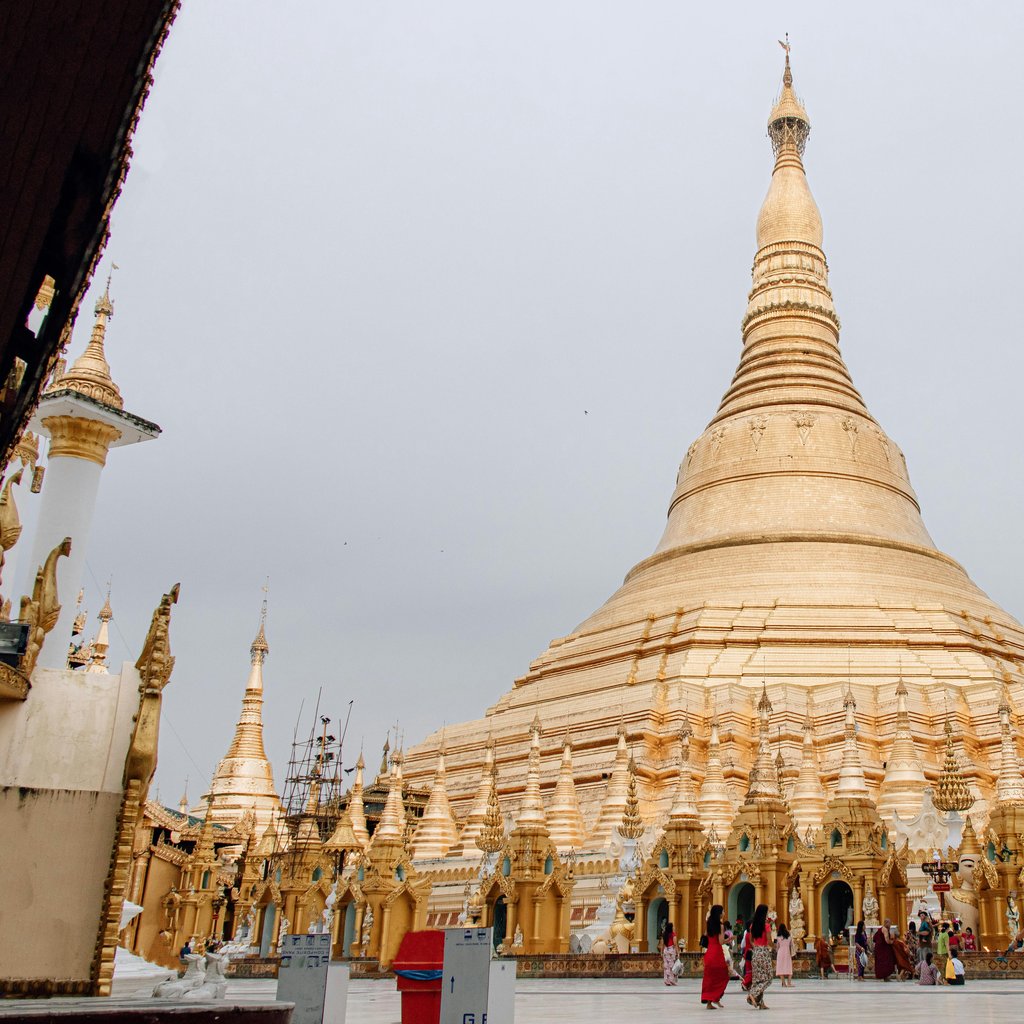
When you visit, you'll need to make sure you're staying in officially registered hotels or guesthouses. It's also a good idea to dress modestly, especially when visiting religious places. This means covering your shoulders and knees. Before you step into temples, pagodas, or someone's home, remember to take off your shoes and socks.
Just a heads-up, taking pictures of police, military personnel, or any government facilities isn't allowed. And if you're thinking about flying a drone, steer clear of government buildings, religious sites, and even popular tourist spots unless you have special permission – the penalties can be quite serious, even including jail time.
While same-sex relationships are illegal, how strictly this is enforced can vary. It's also important to be mindful of what you say or post online.
Criticizing the government, national symbols, or making negative comments about people or the country on social media can lead to significant trouble. Similarly, showing disrespect to religion, like mishandling Buddha images or having Buddha tattoos that aren't covered, can have legal consequences. Bringing in or sharing religious materials without getting the okay first is also against the law. And when it comes to illegal drugs, the penalties are very severe.
It's customary to show respect to elders by bowing your head slightly when you pass them, and it's best to keep public displays of affection to a minimum. Please don't touch anyone's head, as it's considered a very sacred part of the body. Always ask permission before taking photos of local people, and be prepared that they might ask for a small fee. It's also wise to avoid getting into political conversations with locals.
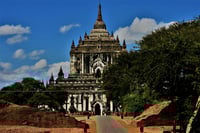
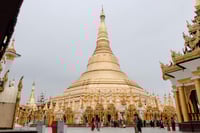
When you're exploring temples, try to walk clockwise around Buddhist monuments. Avoid walking directly in front of people who are praying, and never point your feet towards Buddha images. Also, hold off on using flash photography or taking pictures while people are praying or meditating. Ladies, please be aware that you shouldn't touch monks and might not be allowed in certain parts of pagoda complexes.
For your trip, you'll need to have medical insurance to enter the country. And when it comes to drinking water, it's best to stick to bottled water, as the tap water isn't safe to drink.
LGBTQ+ Travellers
In Myanmar, LGBTQ+ travelers encounter a landscape where colonial-era laws still criminalize same-sex sexual activity, though the strict enforcement of these laws on visitors is rare. One observes a society that is traditionally conservative, yet major tourist centers and urban areas demonstrate an increasing, albeit subtle, acceptance of LGBTQ+ individuals.
For all travelers, maintaining discretion with public displays of affection is a cultural expectation. While major destinations generally offer a safe and friendly experience, staying mindful of local customs and the prevailing social climate is always advised.
Scams
When visiting Myanmar, it's wise to keep an eye out for a few common tricks. You might come across gem scams, where sellers try to pass off fake or poor-quality stones. There are also scams related to money exchange, where the rates might be rigged or the currency could be counterfeit. Be cautious of people posing as monks asking for donations, as this isn't always genuine.
You might also be invited on 'friendship tours,' which often end with pressure to buy things at much higher prices from shops that give the guides a commission. At religious sites, you may find people offering to watch your shoes, but then asking for an unexpected fee. It's also worth knowing that fake entrance tickets for temples are sometimes sold; typically, you only need to pay one fee for a specific zone.
In restaurants, if prices aren't clearly displayed, you could end up with a surprisingly large bill. Lastly, if a job offer sounds too good to be true, it might be connected to cyber scam operations in border areas where people are unfortunately trafficked.
Crime
When visiting Myanmar, tourists are most likely to encounter non-violent crimes like having their bags snatched, pickpocketing, or items stolen if left unattended in public places or hotels. While serious crimes against foreigners are uncommon, there have been a few instances involving taxi drivers and late-night muggings. We're seeing a rise in petty theft and break-ins, with Yangon experiencing more of these, especially after dark.
To stay safe, it's best to avoid flashing cash or valuables, be wary of strangers who try to distract you, keep your belongings secure and out of view, and steer clear of walking alone at night. It's a good idea to travel with others after sunset.
Road accidents are also a concern due to the condition of roads and driving habits, and public transport might not meet the safety standards you're used to. Additionally, there's a possibility of being arrested or detained without cause, and ongoing armed conflict in many regions. It's really important to avoid protests, large crowds, and any areas that are off-limits. Always make sure you have your passport and visa with you.