Staying Safe in Laos
Local Laws
When you travel to Laos, it's a good idea to keep a copy of your passport with you at all times. The country has very serious laws regarding drugs, and penalties for possession, use, or trafficking are severe. It's also important to know that non-marital relationships between foreigners and Lao nationals are against the law, and authorities might check hotel rooms. If you plan to marry a Lao national, you'll need to get official government permission first.
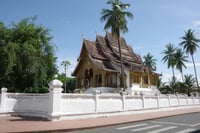
When visiting temples, please dress respectfully by covering your shoulders and knees, and remember to take off your shoes before you go inside. It's considered impolite to touch someone's head, and using your feet to point or close doors is also seen as disrespectful. Generally, public displays of affection aren't well-received. Always ask for permission before taking photos of people, especially monks, and steer clear of photographing government buildings or military installations.
There are also rules about what you can bring into or take out of the country. You can't bring in weapons, explosives, or illegal drugs. Likewise, you can't take out local currency, certain historical artifacts, or products made from wild animals. Keep in mind that some rural or border areas might have travel restrictions or require special permits. Additionally, be aware that unexploded bombs are still a concern in certain parts of the country.
LGBTQ+ Travellers
Laos is generally a tolerant destination for LGBTQ+ travelers, as homosexuality is not criminalized and has never been illegal in the country. However, local society remains traditional and conservative, meaning public displays of affection are uncommon for all couples and discretion is often advised, particularly outside of major tourist hubs.
While there are currently no specific laws protecting against discrimination based on sexual orientation or gender identity, visitors typically experience a welcoming attitude from the Lao people. Therefore, while local LGBTQ+ individuals may face societal pressures, foreign travelers generally find Laos to be a safe and accepting place to visit, provided they respect local customs.
Scams
When renting a motorbike, keep an eye out for rental companies that might try to blame you for existing damage or even take the bike back after you've paid.
If you're considering a slow boat trip, be mindful that the accommodation they pre-book can often be more expensive than it needs to be. Tuk-tuk drivers can sometimes overcharge, ask for extra money during the ride, or steer you towards shops where they get a commission.
It's always a good idea to carefully inspect any banknotes you receive, as torn or taped bills are usually not accepted. Some sellers might not display prices, which can lead to surprisingly high costs. Also, be cautious of people who push you to join the Morning Alms ceremony and then expect payment for the food, or try to sell you fake gemstones.
When visiting attractions, it's wise to double-check information, and when you're shopping, make sure you're not being short-changed.
Crime
You'll want to keep an eye out for petty theft, like people on motorbikes snatching bags, especially in places where tourists tend to gather. It's a good idea to be extra aware in busy spots, when you're using ATMs, and on public transport, particularly if you're traveling late at night.
Just so you know, theft can also happen from guesthouses. While serious crimes like muggings and sexual assaults are not common, they have been reported.
A significant concern is having your food or drinks tampered with, so never leave them unattended, and be careful if someone offers you something from a stranger. It's also wise to steer clear of anything advertised as 'happy' or 'special' on menus, as these could contain dangerous ingredients. Keep in mind that crime can pick up around festival times.
Certain areas, especially in rural and border regions such as Xaisomboun and Bokeo Province, might pose a greater risk due to past incidents and ongoing criminal activity.



/si_phan_don_(4000_islands)_filewooden_fence_on_a_mekong_bank_in_si_phan_don.jpg)