Phonsavan

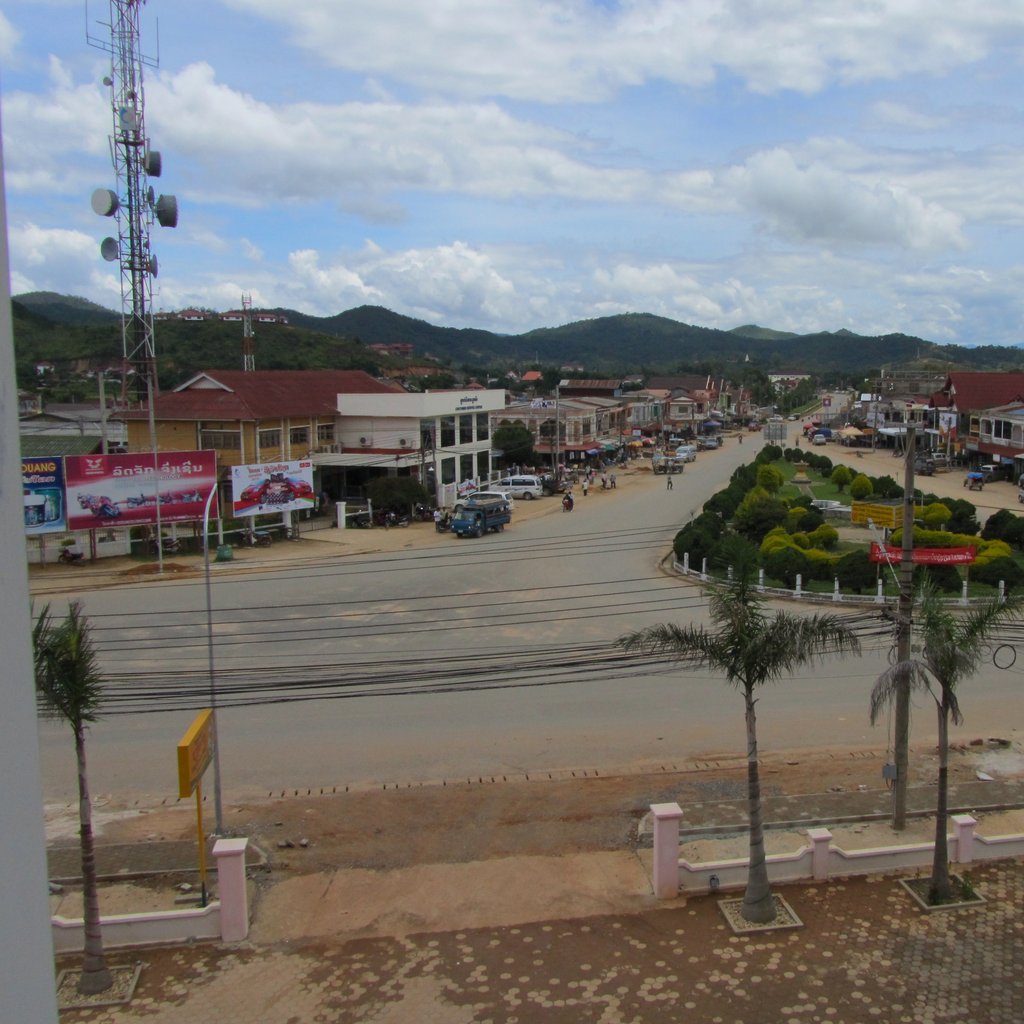
Phonsavan, Laos
Matthew Summerton, Wikimedia Commons

Phonsavan offers a unique encounter with the ancient world at the UNESCO-listed Plain of Jars, alongside a somber yet important immersion into the region's Secret War history. It provides an authentic glimpse into the daily life and rich culture of various local ethnic groups.

Opportunities for social engagement with other travelers are typically found within guesthouses and local eateries, as Phonsavan maintains a quieter, less developed atmosphere compared to more bustling tourist centers.

Top 4 Things to do in Phonsavan

Activities in Phonsavan primarily revolve around ancient historical sites, war legacy education, and immersive cultural experiences.

1. Explore the Plain of Jars

Visiting the Plain of Jars offers a mysterious journey into Laos' Iron Age, where hundreds of gigantic stone jars are scattered across vast grassy plains. Site 1 is the largest and most accessible, featuring trenches, foxholes, and bomb craters that serve as stark reminders of the Secret War. Sites 2 and 3 provide different atmospheric settings, often less crowded and nestled amidst more natural landscapes. Wandering among these ancient relics allows for contemplation on their unknown purpose, widely believed to be related to ancient burial practices. It is crucial to stay on marked paths due to unexploded ordnance (UXO) remaining in the area.

Cost: Entrance to each major site (Site 1, 2, 3) is approximately 15,000 LAK per person. A shared group tour with a local guide, typically covering Sites 1, 2, and 3, starts from around 150,000 LAK per person, while a private tour can be around 600,000 LAK.

Transport: The Plain of Jars sites are located outside the town center. While guided tours (via minivan or shared tuk-tuk) are the easiest option, some visitors opt to rent a bicycle or motorbike. Site 1 is about 10-15 km from Phonsavan. Roads can be dusty and unpaved, requiring caution if self-driving.


2. Visit the MAG UXO Visitor Information Centre

A visit to the Mines Advisory Group (MAG) UXO Visitor Information Centre provides a profound understanding of the devastating impact of the Secret War on Laos. The exhibits showcase the history of unexploded ordnance, the ongoing clearance efforts, and the personal stories of those affected. It is a sobering yet essential experience that highlights the resilience of the Laotian people and the enduring legacy of conflict. Engaging with the displays offers crucial context for understanding the region's landscape and the challenges faced by local communities.

Cost: Entry is typically free, though donations are appreciated to support ongoing UXO clearance efforts.

Transport: The centre is located within Phonsavan town and is easily accessible on foot or by a short tuk-tuk ride from most accommodations.

3. Explore Muang Khoun

Muang Khoun, the ancient capital of the Phuan Kingdom, offers a glimpse into Laos' royal past, which was severely impacted by the Secret War. Exploring the ruins provides a poignant experience, particularly at Wat Phia Wat, where a large Buddha statue stands amidst war-damaged structures. The area also features an old stupa and other remnants of its former grandeur. This historical site allows for reflection on the region's rich heritage and the destruction it has endured.

Cost: Entrance to the ruins is generally free, though a small donation may be requested at some sites.

Transport: Muang Khoun is located approximately 32 km from Phonsavan. A taxi can cost around $17-21 USD for a one-way trip. Many Plain of Jars tours combine a visit to Muang Khoun.

4. Immerse in Phonsavan's Morning Market

The Phonsavan Morning Market, also known as Phoukam Garden Agriculture Wet Market, provides an authentic experience of local daily life. Here, vendors display an array of fresh produce, unique meats, and prepared foods. It is a sensory exploration where one can observe the vibrant interactions, sample local delicacies like freshly made pho for breakfast, and witness the commerce that serves communities from surrounding areas. This market is a true reflection of the Hmong culture and the frugality of everyday life in Laos, offering a glimpse into the local cuisine and customs.

Cost: Varies depending on purchases; street food and small items can be very inexpensive.

Transport: The market is centrally located within Phonsavan town, easily reachable on foot from most guesthouses and hotels.

Discover destinations in Laos