Vientiane

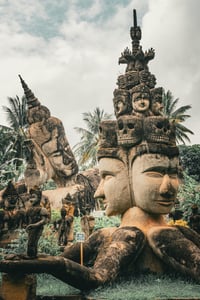
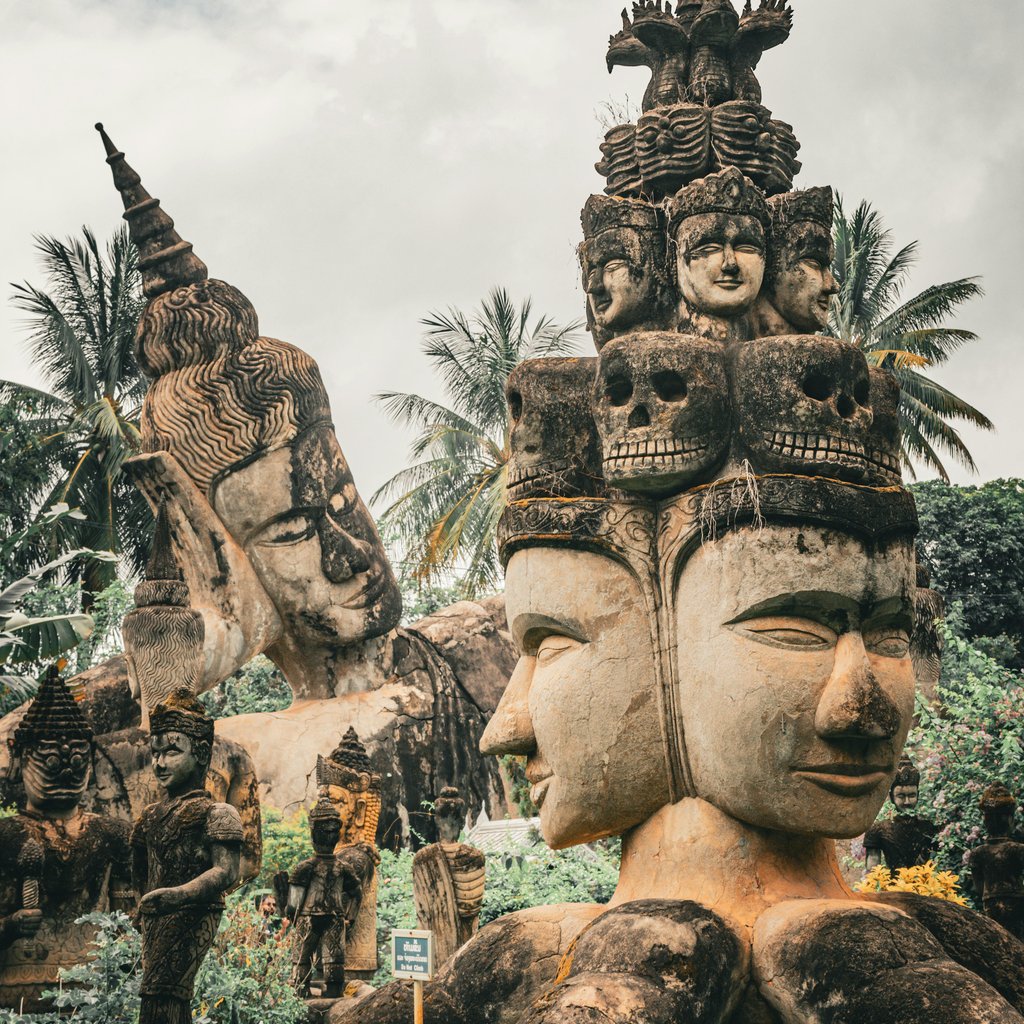
Sculptures at Buddha Park in Vientiane, Laos showcasing intricate carvings, perfect for cultural exploration.
Ehsan Haque, Pexels

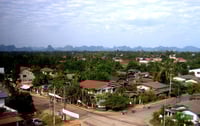
Vientiane, Laos' capital, offers a tranquil escape with a laid-back atmosphere that feels more like a large town than a bustling city. Visitors come to immerse themselves in its rich history, explore ancient Buddhist temples, and enjoy its unique blend of Lao and French colonial influences.

The Mekong Riverfront serves as a vibrant social hub, particularly in the evenings, where visitors gather for sunset views, street food, and leisurely strolls. The Vientiane Night Market along the riverside is also a popular spot for affordable food and souvenirs. For those seeking to connect with other travelers, several backpacker-friendly bars like Bor Pen Nyang and Samlo Pub offer relaxed settings, and hostels such as Barn Laos Hostel provide communal spaces to meet new people.

Top 8 Things to do in Vientiane

Exploring Vientiane involves discovering historic temples and monuments, engaging with local culture at bustling markets, and enjoying the relaxed atmosphere along the Mekong River.

1. Pha That Luang

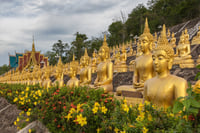
Standing before Pha That Luang, one encounters Laos' most revered national symbol. This grand golden stupa, believed to house a relic of Lord Buddha, showcases impressive Lao Buddhist architecture. It offers a profound sense of the nation's spiritual heritage and is especially striking in the afternoon light. Visitors often find time to walk around the complex, appreciating its historical and cultural significance.

Cost: Entrance to the interior area is approximately 50,000 LAK (around $2.3 USD).

Transport: Pha That Luang is approximately 5 km from the city center. A taxi or tuk-tuk ride costs around 30,000-60,000 LAK ($3-$7 USD) for a one-way trip, depending on negotiation.

2. Patuxay (Victory Monument)

Patuxay, or Victory Gate, presents an intriguing blend of Laotian and French architectural styles, reminiscent of Paris's Arc de Triomphe but with distinct Lao motifs. Climbing the seven stories of the monument provides panoramic views of Vientiane and the surrounding gardens, offering a unique perspective of the city's layout.

Cost: Walking around the monument is free. Climbing to the top costs 3,000 LAK (less than $1 USD).

Transport: Patuxay is centrally located and often walkable from many city hotels. Tuk-tuks are readily available, with fares depending on distance. Public buses like line #14 and #29 also stop nearby.

3. Wat Si Saket and Haw Phra Kaew

Located across from each other, Wat Si Saket and Haw Phra Kaew offer a deep dive into Vientiane's rich religious history. Wat Si Saket, the oldest Buddhist temple in Vientiane, features thousands of Buddha statues in its cloister, creating a serene and captivating atmosphere. Haw Phra Kaew, a former royal temple, now functions as a museum, showcasing exquisite carvings and various Buddha images, despite the original Emerald Buddha having been moved. Exploring these temples provides a peaceful and reflective experience of Laos' spiritual traditions.

Cost: A combined ticket for Wat Si Saket, Haw Phra Kaew, Pha That Luang, and the top of Patuxay can cost around 30,000 LAK. Individually, entrance to Haw Phra Kaew is 5,000 LAK (approximately $0.23 USD).

Transport: Both temples are situated in the old city center, within easy walking distance of each other and many central attractions. A tuk-tuk from downtown Vientiane might cost around 20,000 LAK (around $0.91 USD).

4. Buddha Park (Xieng Khuan)

A visit to Buddha Park, also known as Xieng Khuan, reveals a unique sculpture park featuring over 200 Buddhist and Hindu statues. This open-air sculpture garden along the Mekong River provides a fascinating glimpse into mythological and spiritual artistry. It offers a blend of art and cultural exploration, with the opportunity to climb inside a giant pumpkin-like structure for views over the park.

Cost: Entrance fee is approximately 15,000 LAK (about $1.50 USD). An additional fee may apply for cameras.

Transport: Buddha Park is located about 20-23 km outside the city center. The most cost-effective way to get there is by public bus (Bus #14) from Talat Sao Bus Station, costing around 18,000 LAK per person one way and taking 45-60 minutes. A round-trip tuk-tuk or taxi can cost between 150,000-300,000 LAK ($15-$30 USD).

5. Mekong Riverside and Night Market

As evening approaches, the Mekong Riverfront transforms into a lively hub. Strolling along the riverbank, one can witness stunning sunsets over the Mekong River. The Vientiane Night Market, set up along the promenade, offers a vibrant experience with stalls selling handicrafts, clothing, and various souvenirs. This area is also a popular spot for sampling diverse street food, from grilled meats to papaya salad, providing an authentic taste of local cuisine and culture.

Cost: Activities along the riverfront and at the night market are generally free, with costs only for food, drinks, and shopping. Street food is typically affordable.

Transport: The Mekong Riverfront is centrally located in Vientiane and easily accessible by walking, cycling, or a short tuk-tuk ride from most city areas.

6. COPE Visitor Centre

A visit to the COPE Visitor Centre provides a sobering yet essential understanding of Laos's history and the ongoing impact of unexploded ordnance (UXO). The center educates visitors on the country's struggles during the Vietnam War and the efforts to support UXO survivors. It is an informative and reflective experience that offers valuable context to the nation's past.

Cost: Entry is free, though donations are encouraged and go towards supporting COPE's work.

Transport: The COPE Visitor Centre is located within Vientiane's central area, generally accessible by walking or a short tuk-tuk ride.

7. Traditional Lao Massage

After a day of exploration, indulging in a traditional Lao massage offers a deeply relaxing experience. Known for its therapeutic benefits, a Lao massage can be more intense than other styles, focusing on pressure points and stretching. Many establishments also offer gentler oil massages. It is a wonderful way to unwind and experience a local wellness tradition.

Cost: Prices for an hour-long traditional Lao massage typically range from 45,000 to 70,000 LAK (approximately $2-3 USD). Higher-end spas may charge 80,000 to 120,000 LAK per hour, or more for specialized treatments.

Transport: Massage parlors and spas are widely available throughout Vientiane, particularly in tourist areas and along the Mekong Riverfront, making them easily accessible on foot or by a short tuk-tuk ride.

8. Lao Cooking Class

Participating in a Lao cooking class is a fantastic way to immerse oneself in the country's culinary traditions. Classes often begin with a visit to a local market to learn about fresh ingredients, followed by hands-on instruction in preparing popular Lao dishes like sticky rice, papaya salad, and fish steamed in banana leaves. It offers a unique cultural experience and provides skills to recreate authentic flavors at home.

Cost: Prices for a cooking class can vary, with some tours costing around $55 per person. Other options can range from $95 to $150, sometimes including market tours and transfers.

Transport: Many cooking classes offer hotel pickup and drop-off, often by tuk-tuk or car, particularly for locations within the city center.

Discover destinations in Laos