Kep

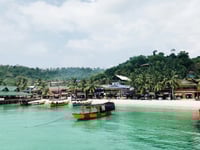
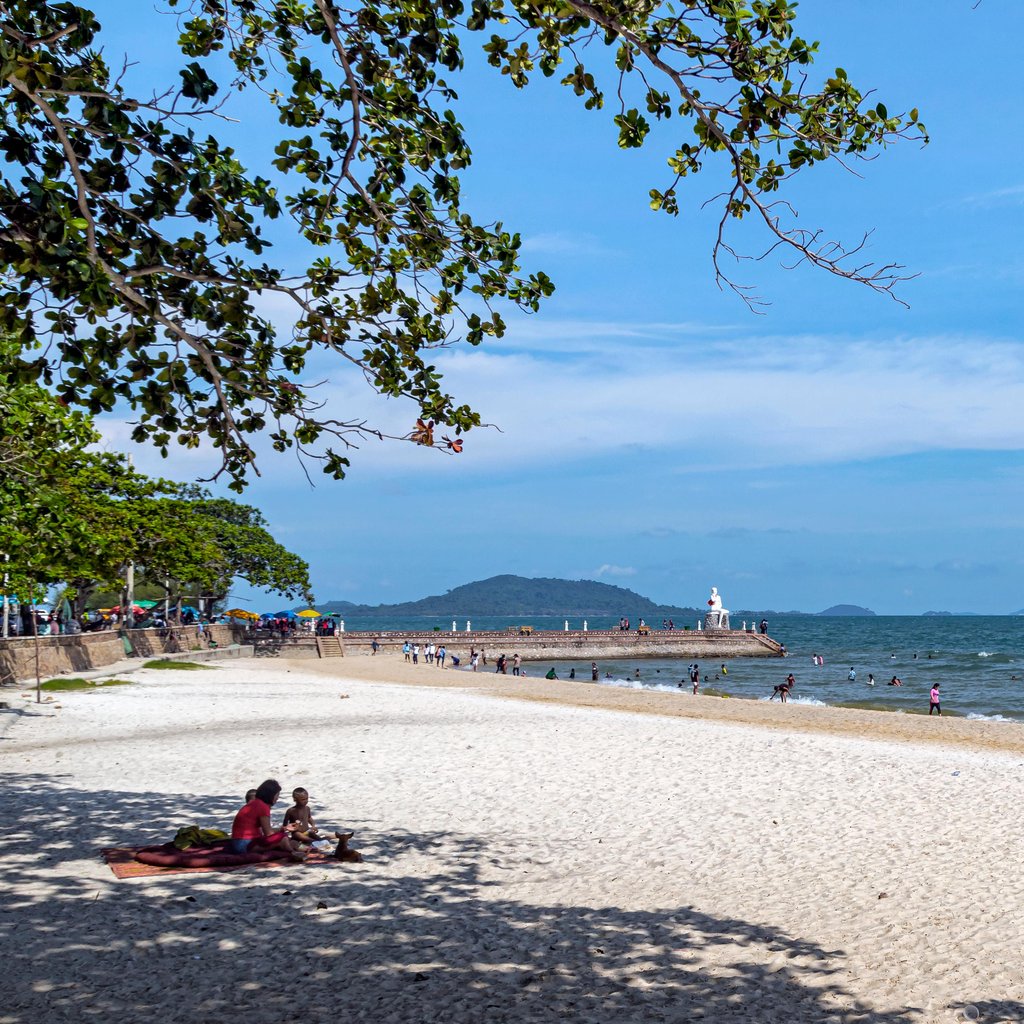
Beautiful sandy beach in Krong Kaeb, Cambodia, with people enjoying a sunny day.
Văn Long Bùi, Pexels

Kep is a tranquil coastal town in Cambodia, renowned for its fresh seafood, particularly the famous blue crabs from its lively Crab Market. It offers a peaceful escape, with opportunities for relaxation on its beach, hiking in Kep National Park, and day trips to the serene Rabbit Island.

Social interaction primarily revolves around the bustling Crab Market, where visitors and locals gather to enjoy fresh seafood, and Kep Beach, which serves as a central hub for people-watching and relaxation. The town does not have a strong nightlife or dedicated backpacker party scene; socializing tends to be more low-key in restaurants or guesthouses.

Top 6 Things to do in Kep

Visitors to Kep can enjoy a blend of fresh seafood experiences, serene island escapes, and exploration of natural landscapes and local agricultural heritage.

1. Savor Fresh Seafood at Kep Crab Market

A visit to Kep is incomplete without experiencing its renowned Crab Market, a lively hub where local fishermen bring in their daily catches. One can observe the bustling trade, then select fresh blue crabs, prawns, squid, or fish directly from vendors. For a truly local experience, have the seafood cooked on the spot, often with the famous Kampot pepper sauce. This offers an authentic taste of the region's culinary highlight.

Cost: Prices for live crab typically range from $7 to $15 per kilogram, depending on seasonality and size, and are negotiable. Having the seafood cooked at the market costs an additional $2 to $2.50. Alternatively, nearby restaurants offer crab dishes for around 50,000 Riel (approximately $12.50).

Transport: The Crab Market is located approximately 1.6 km west of Kep's main beach. It is a short walk from some central accommodations or easily accessible by tuk-tuk for around $1-$2.


2. Hike through Kep National Park

Kep National Park offers a refreshing escape into nature, with well-maintained trails winding through lush jungle. An 8-kilometer circular road provides gentle walking paths and leads to various viewpoints offering panoramic vistas of the coastline, surrounding islands, and even distant Phu Quoc. Wildlife, including monkeys, can often be spotted. It is an ideal activity for those seeking a moderate adventure and scenic beauty.

Cost: The entrance fee for non-Cambodians is $1 USD.

Transport: The main entrance to Kep National Park is often within easy walking distance of central Kep accommodations, particularly near Veranda Natural Resort. Tuk-tuks are readily available to reach the park entrance for a small fee (e.g., $1-2). Visitors can also rent a scooter for around $5 per day to explore the park's road.

3. Day Trip to Rabbit Island (Koh Tonsay)

A short boat ride transports visitors to Koh Tonsay, or Rabbit Island, a tranquil and small island paradise known for its serene beaches and clear waters. It is an ideal spot for unwinding, swimming, and snorkeling. Visitors can relax in hammocks, enjoy fresh seafood cooked by local vendors, or take a leisurely stroll around the island.

Cost: A round-trip boat ticket costs approximately $7-$10 per person. For groups, a private boat can be chartered for about $25 for up to six people.

Transport: Boats to Rabbit Island depart twice daily from the Kep pier, with the journey taking about 20-30 minutes.

4. Discover Kampot Pepper at a Local Farm

The region around Kep and Kampot is famous for its world-renowned Kampot pepper. Visiting a pepper farm, such as Sothy's Pepper Farm or La Plantation, offers an insightful tour into the cultivation process, from plant to drying. Visitors can learn about the different types of pepper (black, red, white) and participate in a tasting session, making for a unique cultural and culinary experience.

Cost: Many tours from Kep or Kampot combine a pepper farm visit with other countryside attractions like salt fields and the Secret Lake, with full-day tours typically costing between $35 and $40. Entrance fees for farms are often included in tours, or may be free for self-guided visits (though tours are recommended for the educational aspect).

Transport: Pepper farms are located outside the immediate Kep town area, typically towards Kampot. They can be reached by renting a scooter (around $5 per day plus gas) or by hiring a tuk-tuk, with prices varying based on distance and duration (e.g., $15-20 for a return trip to Kampot, or included in a tour).

5. Relax by Kep Beach and Watch the Sunset

Kep Beach, a stretch of soft, white sand, provides a pleasant setting for relaxation. Visitors can enjoy swimming in the calm waters or simply unwind by the shore. As the day concludes, the coastline offers spectacular sunset views over the Gulf of Thailand, creating a picturesque end to the day.

Cost: Access to Kep Beach is free.

Transport: Kep Beach is centrally located and easily accessible on foot from many parts of Kep. Tuk-tuks are also available for short rides.

6. Explore the Secret Lake and Phnom Chhngok Cave Temple

The Secret Lake, an artificial lake built during the Khmer Rouge era, offers a serene environment amidst green paddy fields and rising hills. Visitors can appreciate its natural beauty and reflect on its historical significance. Nearby, the Phnom Chhngok Cave Temple provides an adventurous exploration opportunity, housing a 7th-century brick temple within its limestone formations. These sites offer a glimpse into both nature and ancient history.

Cost: Entrance to Secret Lake is generally free. The Phnom Chhngok Cave Temple may have a small local guide fee. These sites are often included in countryside tours from Kep or Kampot, which range from $35-$40 for a full day.

Transport: These attractions are typically located between Kep and Kampot, requiring transport. A scooter rental provides flexibility ($5/day plus gas). Alternatively, a tuk-tuk can be hired for a half or full-day tour, or visitors can join an organized tour.

Discover destinations in Cambodia