Siem Reap

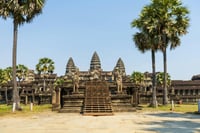
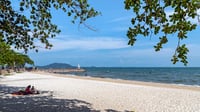
Majestic view of Angkor Wat temple entrance surrounded by palm trees in Cambodia.
Serg Alesenko, Pexels

Siem Reap, Cambodia, serves as the primary gateway to the magnificent Angkor Wat temple complex, a UNESCO World Heritage site and an unparalleled example of ancient Khmer architecture. Beyond its iconic historical ruins, the city offers vibrant cultural experiences, bustling markets, and insights into Cambodian life.

The Old Market and Old French Quarter areas, particularly Pub Street, form the central social hub for visitors, offering a lively atmosphere with numerous restaurants, bars, and clubs that come alive, especially in the evenings. Nearby areas such as Wat Bo Road and Wat Damnak also provide relaxed settings with dining and drinking options.

Top 5 Things to do in Siem Reap

Activities include exploring ancient temple complexes, engaging with Cambodian performing arts, discovering traditional village life on water, and learning about the country's recent history and culinary traditions.

1. Angkor Wat Temple Complex Exploration

The Angkor Archaeological Park, a UNESCO World Heritage site, is a vast expanse of ancient temples, with Angkor Wat as its magnificent centerpiece. Visitors typically dedicate multiple days to explore key temples such as Angkor Thom, which houses the enigmatic Bayon temple with its countless smiling faces, and Ta Prohm, famously intertwined with giant tree roots. Witnessing the sunrise over Angkor Wat is a memorable experience, offering stunning photographic opportunities as the light illuminates the temple's iconic silhouette. Exploring these sites involves significant walking, often under warm conditions, so comfortable footwear and light clothing are recommended. Guides can offer deep historical and architectural insights, enhancing the experience.

Cost: An Angkor Pass is required: 1-day pass costs $37 USD, a 3-day pass is $62 USD (valid for any 3 days within a 10-day period), and a 7-day pass is $72 USD (valid for any 7 days within a 30-day period). Beng Mealea Temple is included in the Angkor Pass, or a standalone ticket is $10 USD. Banteay Srei Temple's entrance is also included in the Angkor Pass. A tuk-tuk for a full day of temple touring (Small Circuit) typically costs around $20-25 USD, while a Grand Circuit or more distant temples (like Banteay Srei) may range from $30-50 USD. Sharing a tuk-tuk with others can reduce individual costs. Bicycle rentals are an option for self-exploration, costing around $1-3 USD per day.

Transport: Angkor Wat and its surrounding temples are located a short distance from Siem Reap town. Tuk-tuks are the most common and convenient transport, with drivers readily available for full-day hires or individual trips. Taxis can also be arranged for more comfort. Walking within the complex is extensive, but transport between major temple groups is necessary.


2. Phare, The Cambodian Circus

Phare is a unique blend of traditional Cambodian storytelling, drama, dance, live music, and modern circus arts performed by talented young artists. The performances narrate Cambodian history, folklore, and contemporary societal issues through impressive acrobatics and emotive acts. Attending a show provides not only entertainment but also supports the Phare Ponleu Selpak school, which offers vocational training and opportunities to Cambodian youth. It is an engaging and culturally rich evening experience.

Cost: Ticket prices generally range from $16 to $38 USD, depending on the seating section (Section C: ~$18, Section B: ~$28, Section A: ~$38). Some tour packages include round-trip tuk-tuk transfers, costing around $27-32 USD in total. If arranging transport independently, a tuk-tuk from central Siem Reap typically costs $3-5 USD each way.

Transport: The circus venue is approximately 2 kilometers from the Old Market and Pub Street areas. Many tours include hotel pickup and drop-off by tuk-tuk. Otherwise, a tuk-tuk ride is readily available from anywhere in Siem Reap.

3. Floating Villages Tour (Kampong Khleang or Kampong Phluk)

Visiting one of Siem Reap's floating villages provides a glimpse into the unique way of life on Tonle Sap Lake, Southeast Asia's largest freshwater lake. Kampong Khleang is noted for its authenticity and vast stilted houses, offering a genuine insight into local daily life with fewer tourists. Kampong Phluk is known for its impressive stilted houses and the surrounding flooded mangrove forests, which can be explored by canoe. These tours showcase communities adapted to the changing water levels of the lake, featuring floating schools, markets, and pagodas.

Cost: Tour prices vary significantly based on group size and inclusions, ranging from around $15 USD for basic boat rides to $89 USD for premium experiences. Group tours to Kampong Phluk or Kompong Khleang can range from $168-408 USD depending on the group size and whether it's a morning or afternoon tour. Community-owned ethical tours to Kompong Khleang can be found for $24-35 USD per person. A canoe ride through mangrove forests (e.g., at Kampong Phluk) might be an additional $5 USD.

Transport: These villages are located some distance from Siem Reap town. Kampong Phluk is about 30 km away, and Kampong Khleang is approximately 55 km away. Tours typically include air-conditioned vehicle or tuk-tuk transfers from central Siem Reap hotels.

4. Cambodia Landmine Museum

The Cambodia Landmine Museum offers a sobering yet crucial educational experience about the impact of landmines on Cambodia and the ongoing efforts to clear them. Founded by a former child soldier, Aki Ra, the museum displays thousands of decommissioned landmines and other ordnance. Visitors learn about the country's history of conflict and the devastating legacy of landmines. The museum also supports a relief center for at-risk Cambodian children, making it a visit with a significant social impact.

Cost: The entrance fee is $5 USD for foreign adults. Children under 12 and Cambodian citizens enter for free. Cash payment is preferred. Some tours include the entrance fee and transport for approximately $14 USD.

Transport: The museum is located approximately 25 km north of Siem Reap, near the Banteay Srei Temple complex. A round-trip tuk-tuk from the city center typically costs around $20 USD, with the driver usually waiting. Alternatively, ride-sharing apps like PassApp or Grab might offer cheaper fares.

5. Cambodian Cooking Class

Participating in a Cambodian cooking class offers a hands-on opportunity to delve into the country's unique culinary traditions. These half-day classes often begin with a visit to a local market to source fresh ingredients, followed by an immersive cooking session where participants learn to prepare traditional Khmer dishes like Fish Amok or Tom Yum. It is an interactive and delicious way to engage with the local culture and gain skills to recreate Cambodian flavors at home.

Cost: Cooking classes generally range from $22 to $96 USD per person, depending on the duration, number of dishes, and whether market tours or additional experiences are included. Prices may be lower for larger groups.

Transport: Many cooking classes offer hotel pickup and drop-off by tuk-tuk, especially if the location is outside the city center. If transport is not included, Siem Reap is compact, and a short tuk-tuk ride is generally inexpensive.

Discover destinations in Cambodia