1. Explore Polonnaruwa Ancient City (Archaeological Park)
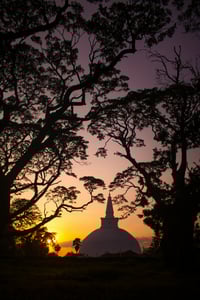
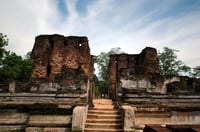
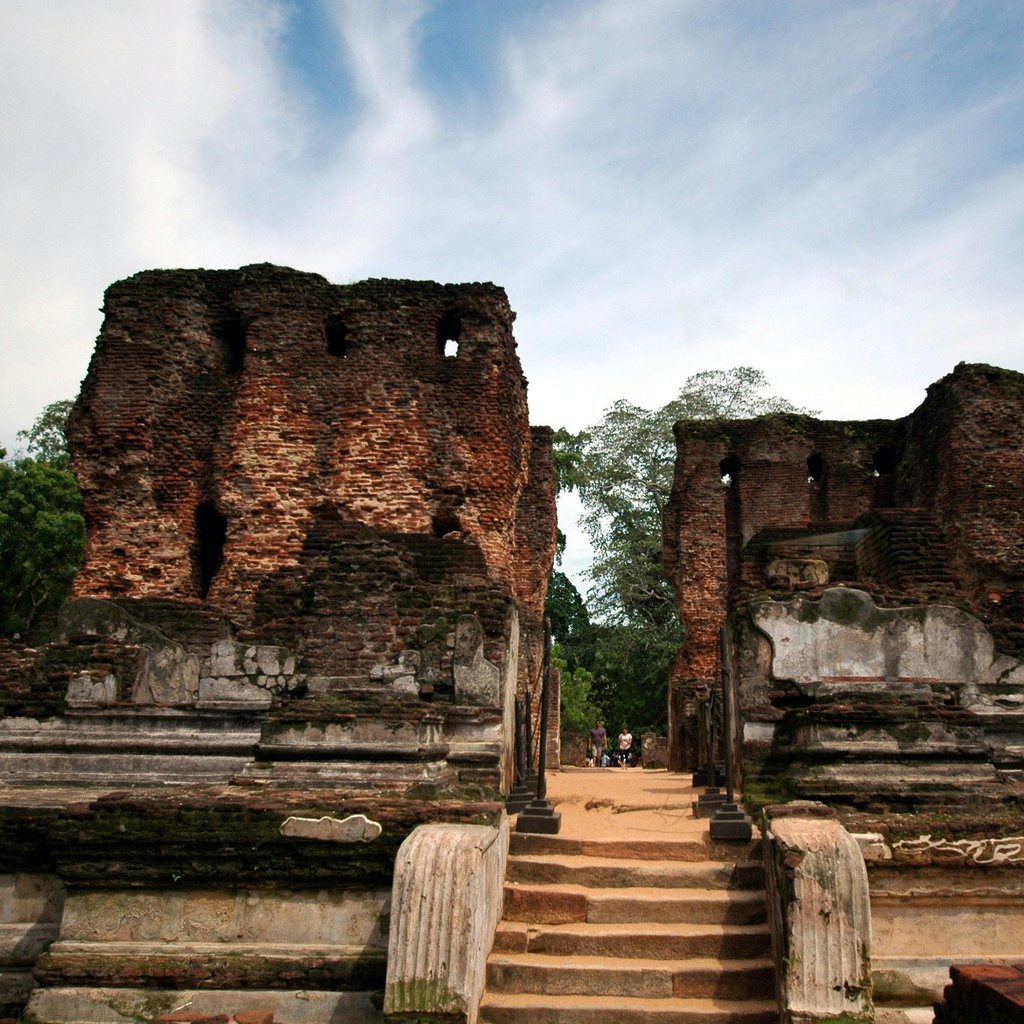
Embark on a comprehensive exploration of Polonnaruwa's UNESCO World Heritage-listed Ancient City, which served as Sri Lanka's capital from the 10th to 12th centuries. Begin your visit at the Polonnaruwa Archaeological Museum, as tickets are purchased here and the exhibits provide valuable context for the sites you are about to see. Within the expansive park, discover the remains of the Royal Palace of King Parakramabahu, marveling at its once seven-storied structure. Proceed to the Sacred Quadrangle, a concentrated area of remarkable ruins including the circular Vatadage, with its intricate stone carvings and four Buddha statues, and the Hatadage, believed to have housed the Buddha's tooth relic. Further north, encounter the awe-inspiring Gal Vihara, featuring colossal Buddha statues carved directly from a single granite rock, depicting various postures including reclining, standing, and meditating figures. Continue to see the towering brick stupas like Rankoth Vehera, one of the largest in Polonnaruwa, and the well-preserved Kiri Vehera. Conclude your historical journey at the Potgul Vehera, an ancient library complex, and the nearby enigmatic statue often identified as King Parakramabahu. Traversing the site by bicycle offers a leisurely pace and the flexibility to pause at will. Expect to encounter playful monkeys, adding a touch of wildlife to your historical expedition.
Cost: The entrance fee for foreign adults is approximately US$30-35, which includes access to all ruins and the Archaeological Museum. Bicycle rental is widely available near the ancient city entrance or through hotels, costing around LKR 500-750 (approximately US$1.50-2.50) for the day. Guided cycling tours, which often include entrance fees and hotel pick-up, are available for about US$85-95.
Transport: The ancient city is sprawling, and while walking is possible, it can be tiring in the heat. The most recommended and enjoyable way to get around the archaeological park is by renting a bicycle. Alternatively, tuk-tuks can be hired for the day (approximately LKR 1,200-2,000 or US$6.50-7), offering a comfortable way to navigate between sites, especially in warmer weather.