Lumbini

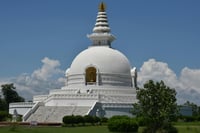
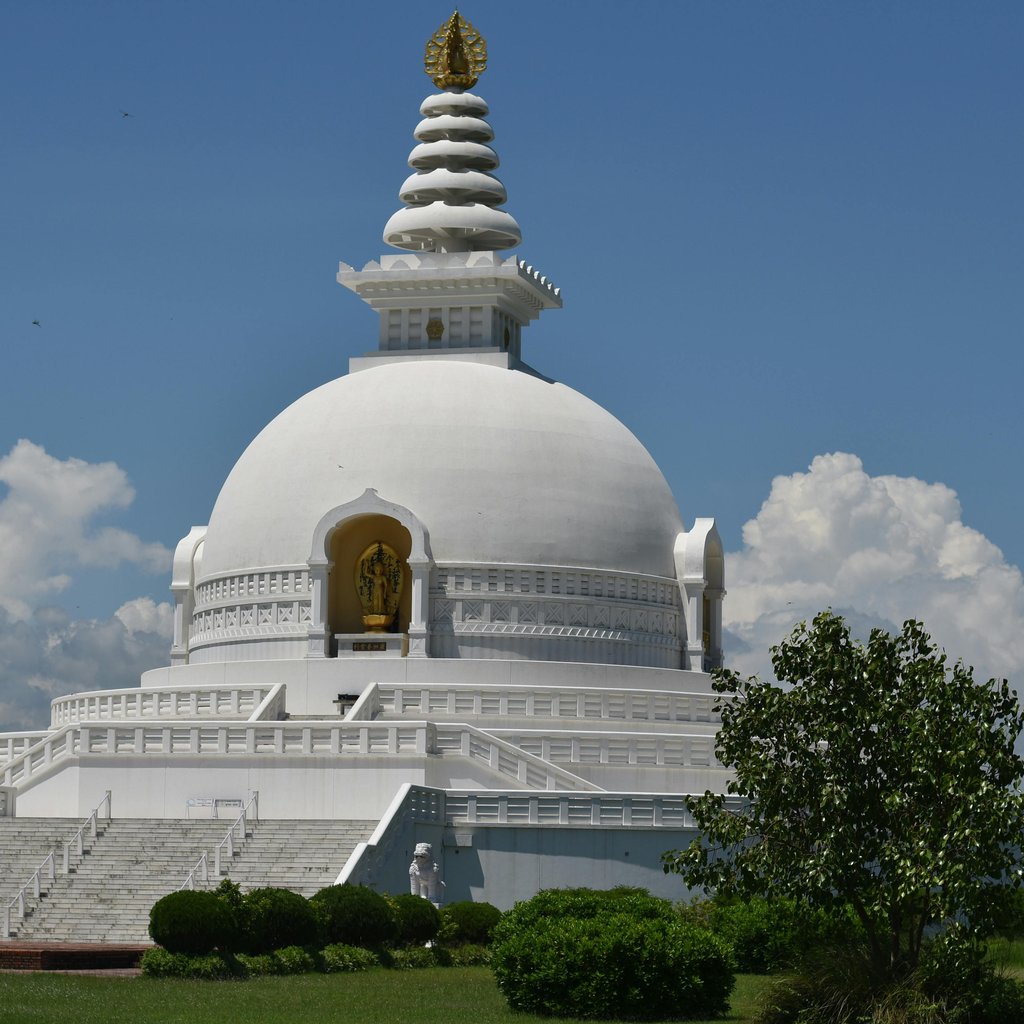
Stunning view of the World Peace Pagoda under a clear sky in Lumbini, Nepal.
Susan Basyal, Pexels

Lumbini, a revered UNESCO World Heritage Site in Nepal, offers a profound journey into Buddhist history and spirituality as the birthplace of Lord Buddha. Visitors can explore ancient ruins, the sacred Maya Devi Temple, and numerous international monasteries, experiencing a deeply peaceful and reflective atmosphere.

While Lumbini is primarily a site for spiritual pilgrimage and quiet contemplation, it provides a unique opportunity to connect with individuals from various cultures and countries. The presence of international monasteries and shared spiritual activities, such as meditation, naturally fosters a sense of global community among visitors drawn by the destination's universal significance.

Top 5 Things to do in Lumbini

Activities in Lumbini primarily involve exploring ancient archaeological sites, sacred spaces, and diverse international monasteries that reflect the global reach of Buddhism.

1. Explore the Sacred Garden and Maya Devi Temple

Stepping into the Sacred Garden, one immediately senses the profound historical weight of the area. This is the precise location where Queen Maya Devi gave birth to Siddhartha Gautama, who later became Lord Buddha. Inside the Maya Devi Temple, a marker stone is protected by bulletproof glass, pinpointing the exact spot of birth. Surrounding the temple, the ancient ruins of stupas, the Ashoka Pillar, and the serene Pushkarini Pond, where Queen Maya Devi is said to have bathed before Buddha's birth, invite quiet contemplation. Many monks can be observed under the sprawling Bodhi tree, adorned with prayer flags. It is important to dress modestly and remove shoes before entering the temple premises.

Cost: An entrance fee of NPR 500 is typically required for foreign nationals to access the Sacred Garden area which includes the Maya Devi Temple. For SAARC nationals, the fee is NPR 100.

Transport: The Sacred Garden and Maya Devi Temple are central to Lumbini. Many accommodations are within walking distance, or one can take a rickshaw. Rickshaws offer a convenient way to move around the main development zone, with prices varying based on distance and negotiation.


2. Wander Through the International Monastic Zones

The Monastic Zone is a remarkable collection of monasteries built by various Buddhist countries, each showcasing unique architectural styles and reflecting their distinct cultural interpretations of Buddhism. The zone is divided into Eastern and Western sections by a central canal, with Theravada monasteries predominantly in the East and Mahayana and Vajrayana monasteries in the West. Exploring these structures, such as the grand Royal Thai Monastery or the distinct Chinese Monastery, offers a unique opportunity to experience diverse Buddhist traditions in one place. You can observe the ongoing spiritual practices and feel the international essence of the site.

Cost: There is no separate entrance fee for the individual monasteries within the monastic zone, though the general Sacred Garden entrance fee applies for access to the overall Lumbini Development Zone.

Transport: The monastic zones are extensive. One can rent a bicycle to cover the distances, or hire a rickshaw for a tour of the various monasteries. A typical rickshaw tour covering both monastic zones can take several hours.

3. Visit the World Peace Pagoda

Standing as a striking white stupa with a golden statue of Lord Buddha, the World Peace Pagoda, also known as Shanti Stupa, symbolizes peace and harmony. Built by Japanese Buddhist monks, it offers a tranquil retreat from the main Sacred Garden area. It provides panoramic views of Lumbini and the surrounding fields, making it a peaceful spot for reflection and photography, especially at sunrise or sunset.

Cost: No specific entrance fee is mentioned for the World Peace Pagoda itself.

Transport: The World Peace Pagoda is located slightly further from the main Sacred Garden complex. It is accessible by rickshaw, bicycle, or a longer walk. A shared boat ride along the central canal can also lead towards the pagoda.

4. Gain Insight at the Lumbini Museum

The Lumbini Museum is an essential stop to deepen one's understanding of Lumbini's historical and archaeological significance, as well as the broader context of Buddhism. The museum houses a collection of over 12,000 artifacts, including ancient manuscripts, metal sculptures, coins from the Maurya and Kushana dynasties, and various ceremonial objects and terracottas. It provides valuable insights into the life of Lord Buddha and the evolution of Buddhist philosophy.

Cost: An entrance fee of NPR 50 is typically charged for foreign nationals.

Transport: The Lumbini Museum is located within the Lumbini Development Zone and is easily accessible by walking or rickshaw from the main Sacred Garden area.

5. Experience Meditation and Reflection

Lumbini offers numerous opportunities for meditation and spiritual reflection, aligning with the core principles of Buddhism. Many visitors choose to meditate under the Bodhi tree in the Sacred Garden, finding peace amidst the spiritual energy of the birthplace. Additionally, various monasteries within the monastic zones, such as the Pandirarama Lumbini International Meditation Center, offer facilities or specific times for meditation and dharma sessions, providing a chance to engage deeper with Buddhist practices.

Cost: Participation in meditation sessions may vary, with some centers offering free access and others potentially having a donation or program fee.

Transport: Meditation can be practiced throughout the Sacred Garden and within various monasteries, all accessible by walking, bicycle, or rickshaw within the Lumbini Development Zone.

Discover destinations in Nepal