Staying Safe in Nepal
Local Laws
When you visit Nepal, it's a good idea to be mindful of a few local laws and traditions. You're not allowed to take photos of military personnel, their barracks, or any checkpoints. Joining public protests is also a no-go; it could cause problems with your visa, potentially leading to arrest and even being sent back home. It's against the law to try and convert people to another religion, and doing so could land you in jail or result in deportation.
While same-sex relationships are legal here, it's worth noting that society is still quite traditional. It's best to keep public displays of affection to a minimum. When it comes to dressing, it's wise to be modest, especially when visiting religious sites or venturing outside the main tourist spots. Make sure to cover your shoulders and knees. Always remember to take off your shoes before stepping into temples, homes, or other sacred places.
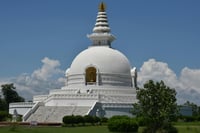
When you're giving or receiving things, please use your right hand, as the left hand is considered impolite. If you're walking around temples or stupas, keep to the right and move in a clockwise direction. Please don't litter.
Carrying or using illegal drugs is strictly forbidden, and the penalties are severe, even for small amounts, including long prison sentences. You're not allowed to take Nepalese rupees out of the country. If you're bringing in more than US $5,000 in foreign currency, you'll need to declare it when you arrive.
Drones are quite restricted, and you'll need special permission to use them. For trekking in national parks and protected areas, you usually can't go alone. You'll typically need to hire a local guide or porter, and you must have a TIMS card and the necessary permits.
It's also important to be aware that many hotels might not meet international safety standards for fire or earthquakes. Showing respect for the local people and their culture is key. Try to avoid shouting or speaking rudely about local matters. And remember, cows are considered sacred animals here.
LGBTQ+ Travellers
Nepal has made significant legal strides for LGBTQ+ rights, notably legalizing same-sex sexual acts in 2007 and prohibiting discrimination based on sexual orientation and gender identity in its constitution. The country also recognizes a "third gender" and, while working towards full same-sex marriage equality, has initiated temporary registration for such unions.
While major cities like Kathmandu and Pokhara generally offer a welcoming environment with LGBTQ+ friendly spaces, traditional social attitudes prevail in more rural areas. Therefore, discretion and respect for local customs are advisable for travelers outside these urban centers.
Scams
When visiting Nepal, it's good to be aware that tourists can sometimes run into scams. You might find city guides who push you to buy things at certain shops to earn a commission, or airport staff who expect tips for helping with your luggage even if you didn't ask.
Taxi drivers sometimes overcharge or say their meters aren't working. Watch out for payment tricks where extra charges are added to your credit card bills. There's also a scam where people ask for milk for a baby, only to return it later for a profit.
Be skeptical of "hallucinogenic honey" – it's usually just regular honey sold at a much higher price. Also, be cautious of services advertised as "free" that later ask for payment. If an investment opportunity sounds too good to be true, it's likely a pyramid scheme.
You might also come across overpriced tours, tickets, or people posing as fake guides or porters. Currency exchange places could offer unfavorable rates or charge hefty fees. Some temples might charge more than they should for entry or sell counterfeit souvenirs.
In nightlife spots, particularly in Kathmandu, there have been reports of drinks being tampered with, leading to theft, and venues charging excessively for drinks. Be careful if tour operators claim flight tickets are included in a package, only to ask for more money later.
It's wise to thoroughly research any organization before volunteering or donating, as some have taken advantage of generous people. Avoid offers to carry items for others across borders, as this can lead to legal trouble. You might also encounter people trying to sell illegal drugs.
Crime
While Nepal is generally a safe place for visitors, it's wise to be aware of petty theft. You might encounter pickpocketing or theft at busy spots like tourist attractions, airports, on buses, or even in hotel rooms. Keep an eye on your belongings, as there have been instances of bag-snatching or quick grabs by thieves on motorcycles, which can sometimes lead to injuries.
More serious crimes, like armed robberies and assaults, including sexual assaults, have been reported, particularly in Kathmandu and Pokhara. It's worth noting that drink spiking can sometimes occur before sexual assaults. Theft is becoming a bigger issue in the cities, and some trekkers have even been asked for money. Women traveling by themselves, especially after dark, should be extra cautious as they may face a higher risk of assault.
Nepal also experiences frequent political protests, strikes, and demonstrations. These can occasionally turn violent, with clashes occurring. There have also been a few isolated incidents involving small explosive devices connected to political activities.


/sauraha_(chitwan)_filesunset_over_the_river_-_sauraha_chitwan_national_park_-_nepal_-_02_13907295071.jpg)