Muktinath

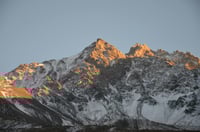
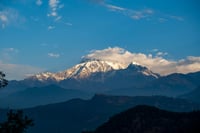
Capture of Muktinath mountains glistening with snow under a sunrise sky in Gandaki Province, Nepal.
Sonal Kashyap, Pexels

Muktinath is a revered spiritual destination in Nepal, attracting both Hindu and Buddhist pilgrims seeking liberation and spiritual enlightenment. Beyond its sacred sites, it offers stunning panoramic views of the Himalayan ranges, making it a compelling spot for nature enthusiasts and trekkers.

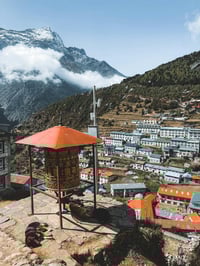
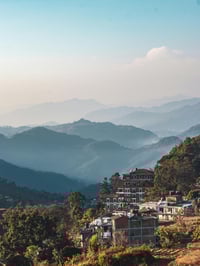
While the primary focus is spiritual, the village of Ranipauwa, located just below Muktinath Temple, provides accommodation options including hotels and guesthouses where visitors can find places to eat and stay. The market streets near the main temple are often bustling, offering a lively atmosphere with vendors.

Top 4 Things to do in Muktinath

Visitors to Muktinath can engage in a blend of spiritual practices, cultural exploration in ancient villages, and appreciation of the dramatic Himalayan landscape.

1. Visit the Muktinath Temple Complex

The Muktinath Temple is a revered pilgrimage site for both Hindu and Buddhist devotees, offering a profound spiritual experience. Within the complex, one can find the main Mukti Narayana Temple, a pagoda-style shrine dedicated to Lord Vishnu. Behind it are the 108 Muktidhara, or water spouts, shaped like cow heads, where pilgrims traditionally bathe in the icy glacial water to cleanse sins and achieve liberation. Nearby, the Jwala Mai Temple features a miraculous eternal flame burning naturally within a stream of water, symbolizing the coexistence of fire and water. The Mharme Lha Khang Gompa, a Buddhist monastery within the same premises, highlights the spiritual harmony of the site, providing a serene space for reflection. It is advised to dress modestly and respect local customs.

Cost: There is no direct entry fee for Muktinath Temple itself. However, an Annapurna Conservation Area Project (ACAP) permit is required to enter the region. For Indian nationals, this permit costs NPR 1000. It can be obtained through travel agencies or at the Nepal Tourism Board office in Kathmandu or Pokhara.

Transport: Muktinath Temple is located in the village of Ranipauwa. From Jomsom (the nearest airport town), it is approximately a 22-kilometer journey. Shared jeeps are readily available, taking about 2-3 hours and costing around USD 2-3 per person. A private jeep can be reserved for approximately USD 40-45. Ponies are also available for hire near the temple for a short ride up to the main complex for around NPR 500.


2. Explore Kagbeni Village

Kagbeni is a historic village often referred to as the gateway to Upper Mustang, preserving a medieval charm with its traditional mud houses, narrow alleys, and chortens. A visit to the Kag Chode Thupten Samphel Ling Monastery, also known as the Red Monastery, offers insights into Tibetan Buddhist practices and features ancient murals and scriptures. The village's strategic location along the Kali Gandaki River also provides opportunities to observe the rugged landscapes and search for Shaligram fossils, which are sacred to Hindus. Walking through the village offers a glimpse into authentic Tibetan-influenced culture and local life.

Cost: A small entrance fee of approximately NPR 200 may apply for the Red Monastery, which contributes to its preservation.

Transport: Kagbeni is approximately 11 kilometers from Jomsom and is reachable by trekking along the Kali Gandaki River or by jeep.

3. Search for Shaligram Fossils in the Kali Gandaki River

The Kali Gandaki River, flowing through the valley near Muktinath and Kagbeni, is renowned for its unique geological formations and the presence of Shaligram stones. These ammonite fossils hold immense spiritual significance for Hindus, as they are considered sacred symbols of Lord Vishnu. Embarking on a search along the riverbanks allows for a unique blend of geological exploration and spiritual connection. The intricate patterns on these ancient fossils are believed to embody divine energy, making the discovery of one a meaningful experience for many visitors.

Cost: Free, though participation in a guided tour that includes this activity might incur a package cost.

Transport: The Kali Gandaki River is accessible from both Muktinath and Kagbeni. Most accessible spots for finding Shaligrams are typically within walking distance or a short drive from these villages.

4. Admire Panoramic Views of the Himalayas

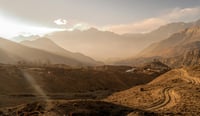
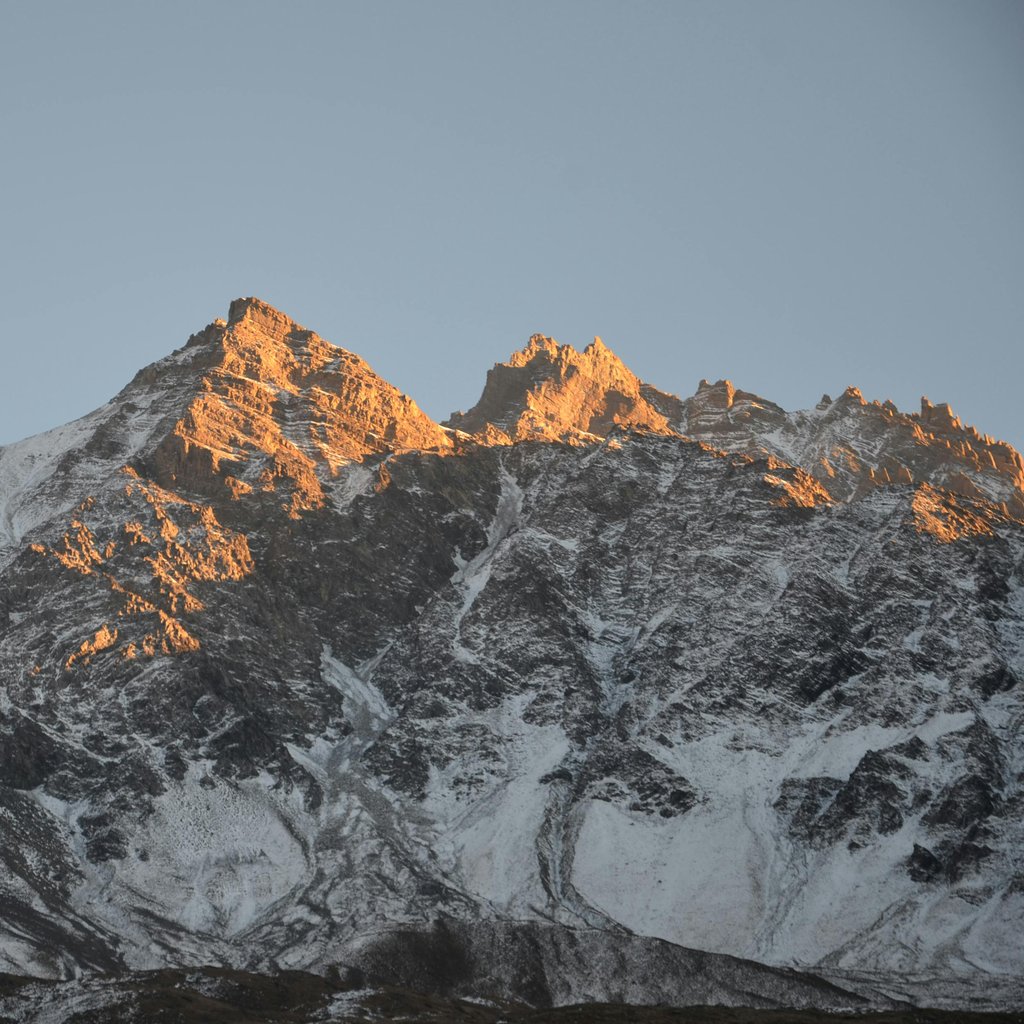
Muktinath is nestled amidst the majestic Annapurna and Dhaulagiri mountain ranges, offering breathtaking panoramic views that are a significant draw for all visitors, not just pilgrims. The arid, rugged landscape contrasts beautifully with the snow-capped peaks, providing stunning photographic opportunities and a sense of profound natural beauty. Views of peaks like Dhaulagiri Mountain, Tukuche Peak, Nilgiri Himal, and Tilicho Peak are often visible from the Muktinath area. The crisp, clear air during favorable seasons enhances the visual splendor of this high-altitude region.

Cost: Free, as it is a natural feature of the landscape.

Transport: The views are accessible from various points around the Muktinath temple complex and the surrounding Ranipauwa village, as well as during the journey to and from Jomsom.

Discover destinations in Nepal