Jomsom

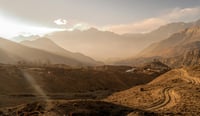
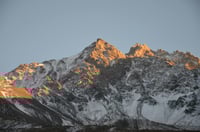
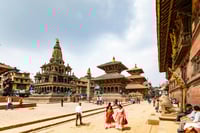
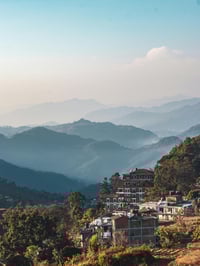
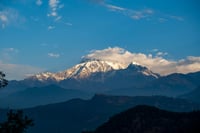
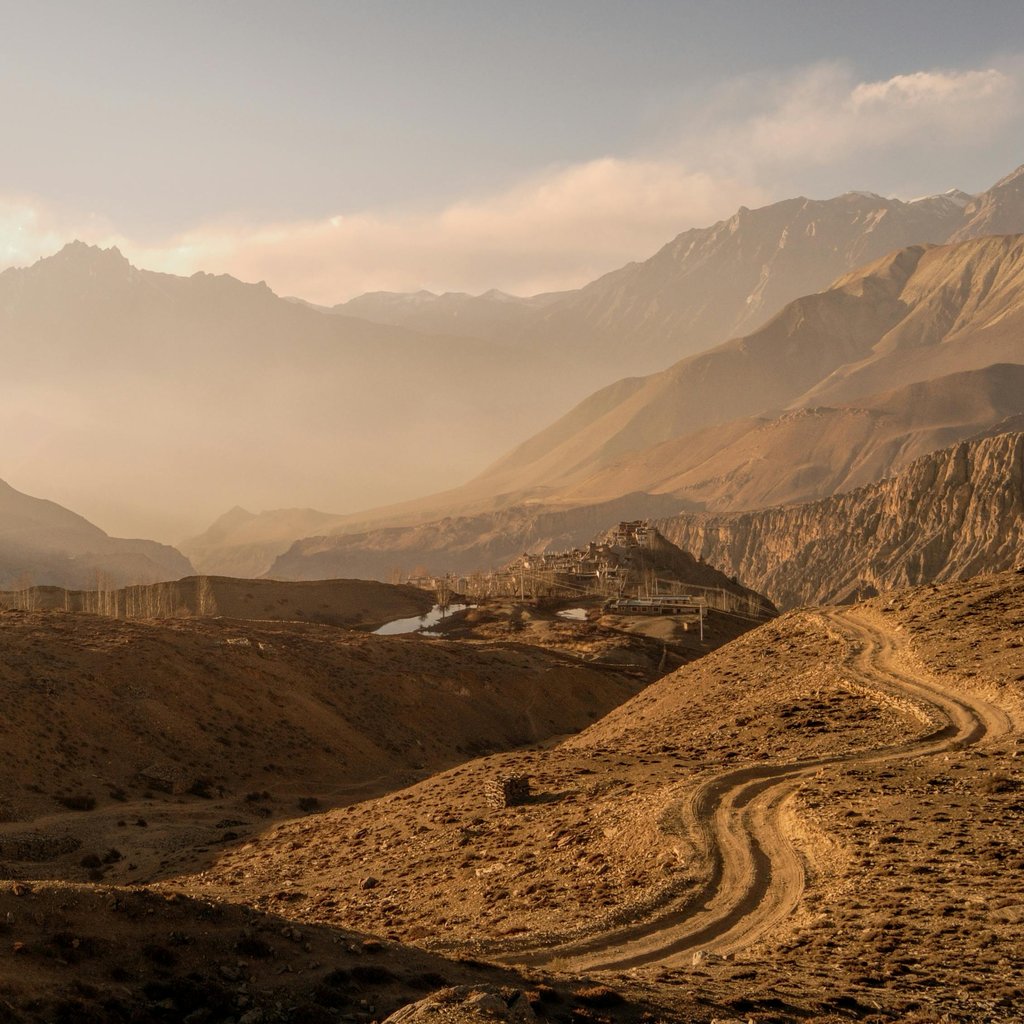
Stunning view of Jomsom's mountainous terrain during sunset, showcasing the natural beauty of Nepal's landscape.
dnes, Pexels

Jomsom serves as a vital hub for exploring Nepal's Lower Mustang region, offering trekkers and pilgrims a distinct experience of high-altitude desert landscapes, profound spiritual sites, and vibrant local culture.

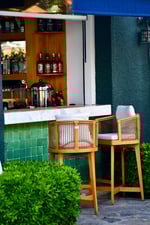
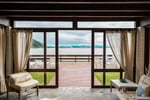
The town features an array of guesthouses, hotels, and teahouses, naturally facilitating interaction among travelers. These establishments, particularly along the trekking routes and in villages like Marpha, provide casual settings for visitors to connect.

Top 5 Things to do in Jomsom

Activities in Jomsom focus on exploring sacred pilgrimage sites, experiencing local culture in traditional villages, and enjoying the high-altitude desert landscape through various excursions.

1. Visit Muktinath Temple

Muktinath Temple is a revered pilgrimage site for both Hindus and Buddhists, set against a backdrop of barren hills. Visitors can bathe in the 108 water spouts (Mukti Dhara) and two holy ponds, believed to cleanse sins. The Jwala Mai Temple within the complex features an eternal flame. This spiritual site offers stunning mountain views and a deep sense of peace. It is recommended to perform an early morning prayer after bathing in the spouts for a complete experience.

Cost: Entry to the temple complex is generally free. Pilgrimage tours from Pokhara to Muktinath via Jomsom often cost around USD 550 for a 5-day package or USD 699-865 for an 8-12 day trek depending on group size . Self-serving by local jeep will be less.

Transport: Muktinath Temple is located approximately 25 kilometers from Jomsom. It can be reached by a jeep ride (around 1.5-2 hours) or by trekking (around 4-5 hours) from Jomsom. A local jeep from Jomsom to Muktinath may cost around NPR 500-1000 (approx. USD 4-8) per person for a shared ride, or more for a private hire.

2. Explore Dhumba Lake and Thini Village

Dhumba Lake is a sacred, clear-water lake nestled at the base of Mount Nilgiri, known for its tranquil environment and deep blue-green waters that reflect the surrounding peaks. Local myths tell of its water once turning red before being purified by Buddhist monks. The lake is fenced with traditional prayer flags, and fishing is prohibited. A short uphill walk from the lake leads to Kuchup Terenga Gompa, offering a 360-degree panoramic view of the area. This excursion can be combined with a visit to Thini Village, a traditional Thakali settlement overlooking the old salt trade route.

Cost: There is a small entry fee for foreigners to visit Dhumba Lake, typically around NPR 50 (approx. USD 0.40).

Transport: Dhumba Lake is about 3-5.5 kilometers west of Jomsom and can be reached by a 1-2 hour walk. Taxis or local jeeps are also available from Jomsom; costs would vary but expect around NPR 300-500 (approx. USD 2-4) for a short ride if shared.

3. Discover Marpha Village

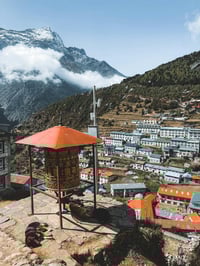
Known as the 'Apple Capital of Nepal,' Marpha is a charming Thakali village with well-preserved traditional white stone houses, flat mud roofs, and narrow cobblestone alleys. It is famous for its apple orchards and apple products, including apple brandy, wine, pies, and jams. Visitors can explore the village's unique architecture, visit local distilleries, and experience the warm hospitality of the Thakali people. Marpha also features Tashi Lhakhang Gompa (Marpha Monastery) and Rhisum Gompa, offering spiritual insights and panoramic views.

Cost: Generally, there is no direct entry fee for the village. Costs will be for food, apple products, and possibly a small donation at monasteries. A tour of a distillery might have a small fee or be included in the price of tasting.

Transport: Marpha is approximately 8 kilometers from Jomsom. It can be reached by a 10-minute car ride or a pleasant 1-hour walk. Local buses or shared jeeps are available from Jomsom for a small fee (e.g., NPR 100-200, approx. USD 1-2).

4. Visit Mustang Eco Museum

Established in 1992, the Mustang Eco Museum offers insights into the rich culture, customs, and natural diversity of the Mustang region. The museum showcases artwork from Buddhist monasteries, traditional dresses, animal specimens, medicinal herbs, and ancient fossils. It serves as a valuable resource for understanding the local lifestyle and the unique heritage of this Himalayan area.

Cost: The entry fee is around INR 100 (approximately NPR 160 or USD 1.20).

Transport: The Mustang Eco Museum is located about five minutes away from Jomsom Airport. It is within walking distance from central Jomsom.

5. Trek to Kagbeni Village

Kagbeni is a picturesque village situated at the confluence of the Kali Gandaki and Jhong rivers, offering a glimpse into ancient Tibetan-style architecture. It serves as a gateway to Upper Mustang and is known for its old monasteries and the unique culture of the Kali Gandaki Valley. The village's traditional houses and prayer flags create a distinctive atmosphere. For trekkers, it is often a first stop when heading towards Muktinath from Jomsom, providing scenic views and cultural immersion.

Cost: Annapurna Conservation Area Permit (ACAP) is required for trekkers, costing NPR 3,000 (approx. USD 30) for foreigners and NPR 1,000 for SAARC nationals. A TIMS card (Trekkers' Information Management System) costs NPR 2,000 (approx. USD 15) for all tourists.

Transport: Kagbeni is approximately 10 kilometers north of Jomsom. It can be reached by trekking (around 3-4 hours) along the Kali Gandaki River or by taking a local jeep. A shared jeep ride from Jomsom to Kagbeni would be economical, likely costing NPR 100-300 (approx. USD 1-2).

Discover destinations in Nepal