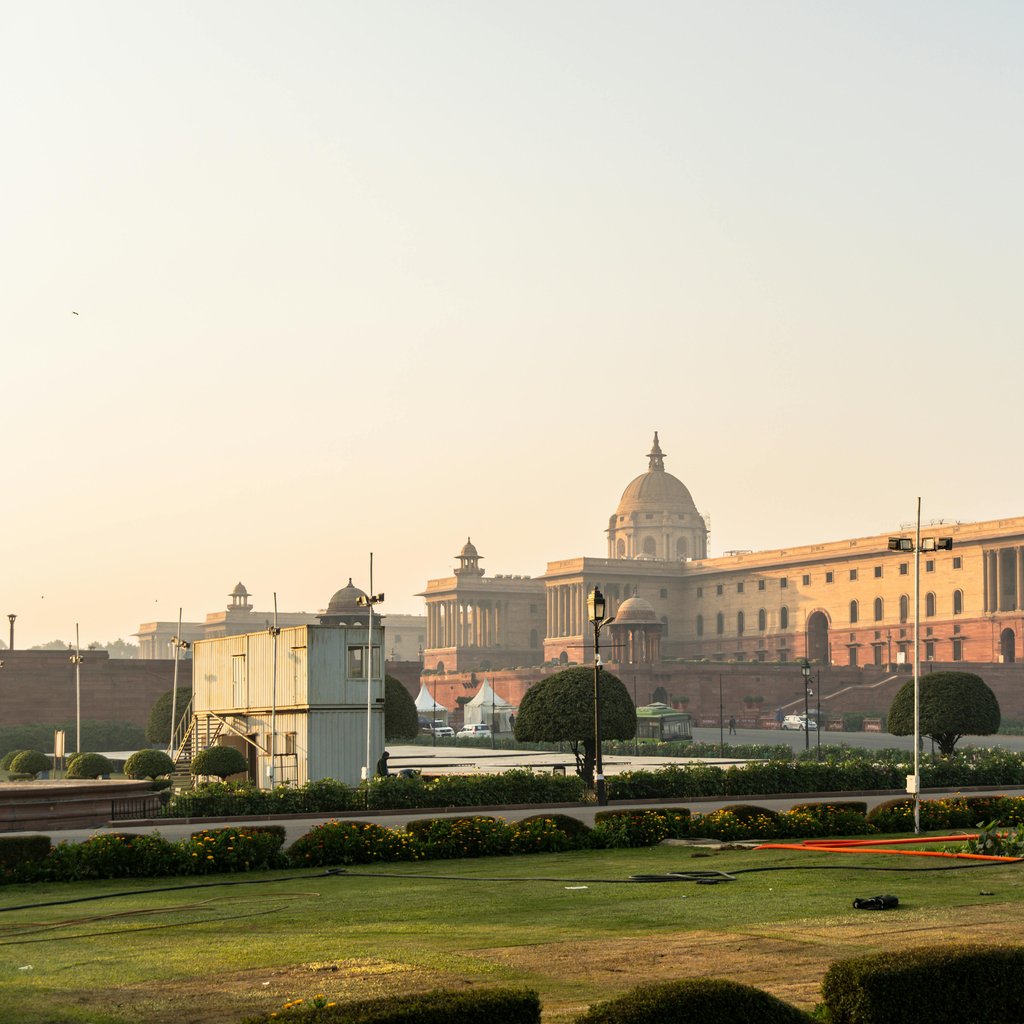
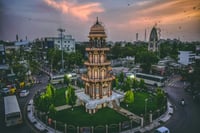
Delhi, India's capital, is a dynamic destination where ancient history and modern life converge. It offers a rich tapestry of historical landmarks, vibrant markets, diverse cultural experiences, and green spaces, appealing to both history enthusiasts and those seeking a lively urban atmosphere.
For socializing with other tourists and backpackers, Hauz Khas Village is a prominent area known for its lively atmosphere, cafes, and boutiques. Connaught Place, a central commercial hub, also provides a vibrant setting with various cafes and bars. While Paharganj has historically been a backpacker hub, it is often described as chaotic, and visitors might find more comfortable and quieter social options in South and Central Delhi, where popular hostels often feature common areas and host events.
Top 6 Things to do in Delhi
Activities in Delhi generally involve exploring ancient monuments, immersing oneself in spiritual architecture, and experiencing the lively atmosphere of traditional bazaars.
1. Red Fort (Lal Qila)
The Red Fort is a historic fortress in Old Delhi that served as the main residence of the Mughal emperors for nearly 200 years. Its grand architecture, constructed from red sandstone, showcases a blend of Persian, Timurid, and Indian styles. Visitors can explore its various halls and gardens, gaining insight into the Mughal Empire's legacy. An evening light and sound show vividly narrates the fort's illustrious history, making it a worthwhile experience.
Cost: Entry for Indian citizens is ₹35 per person; for foreign tourists, it is ₹500 per person. For SAARC and BIMSTEC nationals, the fee is ₹35. Children under 15 enter for free. The Light and Sound Show costs ₹60 on weekdays and ₹80 on weekends for adults, and ₹20 (weekdays) or ₹30 (weekends) for children.
Transport: The nearest metro station is Lal Quila on the Heritage Line or Chandni Chowk on the Yellow Line (approximately 1.6 km walk or auto-rickshaw from Gate No. 5). Regular buses from central New Delhi and auto-rickshaws are also available.
2. Humayun's Tomb
This UNESCO World Heritage site is an architectural marvel, recognized as the first garden tomb in India and a significant precursor to the Taj Mahal. Built in the 16th century, it showcases stunning Mughal architecture with its intricate red sandstone and white marble details, set within beautiful Charbagh-style gardens. Taking a stroll through its lush grounds offers a peaceful retreat and a journey back in time to the grandeur of the Mughal era.
Cost: Entry for Indian citizens and SAARC/BIMSTEC nationals is ₹40 per person (online ₹35). For other foreign visitors, it is ₹600. Children under 15 years old can enter for free. A video filming fee of ₹25 applies.
Transport: The nearest metro station is JLN Stadium on the Violet Line (approximately 1.4 km away), or Jorbagh on the Yellow Line (approximately 5 km away). Regular city buses connect major areas like Rajiv Chowk and Nizamuddin to the complex. Taxis and auto-rickshaws are readily available.
3. Qutub Minar
A UNESCO World Heritage site, the Qutub Minar is the world's tallest brick minaret, standing at 72.5 meters. This impressive 12th-century structure is a testament to early Islamic architecture in India, adorned with intricate carvings and inscriptions. Visitors can appreciate its imposing height and detailed craftsmanship, making it a significant historical landmark and a popular attraction.
Cost: Entry for Indian citizens and SAARC/BIMSTEC nationals is ₹35 per person. For foreign tourists, it is ₹550. Children under 15 enter for free. A fee of ₹25 applies for still or video cameras.
Transport: The nearest metro station is Qutab Minar on the Yellow Line, from where an auto-rickshaw can take you to the monument in about 6 minutes. Buses and taxis are also available throughout the city to reach Qutub Minar.
4. India Gate
India Gate is a prominent war memorial located in the heart of Delhi, commemorating soldiers who died in World War I. Its majestic archway stands as an iconic landmark, particularly beautiful when illuminated in the evening. It serves as a popular spot for locals and tourists alike to gather, stroll, and reflect.
Cost: Entry is free.
Transport: India Gate is centrally located and accessible by various means. The nearest metro stations include Udyog Bhawan or Central Secretariat on the Yellow Line, and Khan Market on the Magenta Line. Buses frequently run to the nearby Art Gallery bus stop (a 2-minute walk). Taxis and auto-rickshaws are widely available.
5. Lotus Temple (Baháʼí House of Worship)
The Lotus Temple is a modern architectural masterpiece, shaped like a blooming lotus flower. As a Baháʼí House of Worship, it welcomes people of all faiths for meditation and prayer, embodying principles of universality and acceptance. The temple's serene atmosphere provides a tranquil escape from the city's bustle, making it a place for contemplation and appreciating unique design.
Cost: Entry is free. Special permission might be required for photography.
Transport: The nearest metro station is Kalkaji Mandir on the Violet Line. From there, it is a short 5-10 minute walk or auto-rickshaw ride. Buses and taxis also serve the area.
6. Chandni Chowk
Chandni Chowk is one of Old Delhi's oldest and busiest markets, offering a sensory overload of sights, sounds, and smells. It's a fantastic place to experience authentic local culture, taste diverse street food delicacies, and shop for traditional goods, textiles, and jewelry. Navigating its narrow, crowded lanes requires a sense of adventure but promises an unforgettable immersion into Delhi's vibrant daily life.
Cost: Costs vary significantly depending on purchases and food consumed. Street food is generally very affordable.
Transport: The most convenient way is by metro to Chandni Chowk station on the Yellow Line, which offers direct access to the market. Buses and e-rickshaws are also available. Driving directly into the market is not recommended due to heavy traffic; parking at Jama Masjid or Red Fort and walking is a better option.
At TFA Travel we believe in travel for all. Our mission is to enable people to explore the world as easily as possible without having to pay a travel agent a huge commission.
Our typical audience are those that want to see something new and get involved with authentic experiences of a country. Whether you are a backpacker, solo traveller, solo female traveller, straight or LGBTQ+ couple, family, you will find local and authentic experiences here.