Pisac

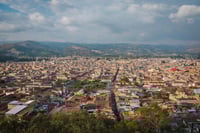
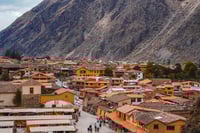
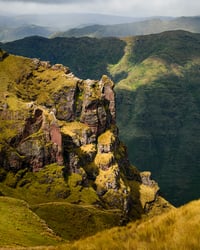
Breathtaking view of Pisac's rugged terrain and lush greenery in the Andes.
Da vid, Pexels

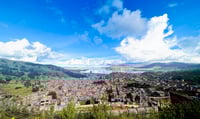
Pisac, nestled within Peru's Sacred Valley, presents a compelling blend of historical exploration and vibrant local life. Its expansive Inca archaeological site offers profound insights into ancient civilization and stunning mountain vistas, while the lively artisan market provides a rich cultural experience.

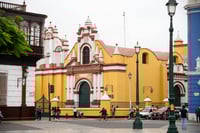
The central plaza, animated by the daily market and particularly bustling on Sundays, serves as a primary gathering point. Beyond the market, Pisac's charming streets host cafes and eateries, catering to visitors and the town's growing expatriate community who often engage in spiritual and wellness activities.

Top 4 Things to do in Pisac

Activities in Pisac generally revolve around exploring ancient Inca history, immersing oneself in vibrant local culture, and enjoying the natural beauty of the Sacred Valley through active pursuits.

1. Explore Pisac Archaeological Park (Inca Ruins)

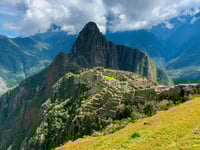
Ascending to the Pisac Archaeological Park reveals an expansive Inca site, featuring impressive agricultural terraces, ceremonial baths, and residential areas. The site provides profound insights into ancient Inca civilization and offers breathtaking panoramic views of the Sacred Valley. Exploring the park can take a half-day or more, especially if opting to hike. Consider visiting early in the morning for fewer crowds.

Cost: Entrance to Pisac Ruins is part of the 'Boleto Turístico' (Cusco Tourist Ticket). A partial ticket (Circuit 3), which includes Pisac, Ollantaytambo, Chinchero, and Moray, costs approximately S/. 70 (around US$25) and is valid for two days. A general ticket for 16 sites costs around S/. 130. A standalone ticket for only Pisac ruins is generally not available.

Transport: The ruins are located approximately 3.5 km from Pisac town. One can hike directly from the town's main plaza, a strenuous uphill climb taking 45 minutes to 1.5 hours. Alternatively, taxis are readily available from the town center to the upper entrance of the ruins, costing around S/. 30-40 (one-way). Many visitors choose to take a taxi up and then hike downhill through the ruins back to town.


2. Wander through the Pisac Artisan Market

The Pisac Artisan Market, situated in the town's main square, is a vibrant hub of local activity. While open daily, it is particularly bustling on Sundays when local Quechua communities gather to sell their goods. Here, one can browse and purchase a diverse range of handicrafts, colorful textiles, alpaca wool products, silver jewelry, and ceramics. The market also features a lively food section where fresh produce and local snacks like empanadas, often baked in traditional clay ovens, can be found.

Cost: Free to enter and browse. Prices for goods vary, and haggling is a common practice. Empanadas and other local street foods are inexpensive.

Transport: The market is centrally located in Pisac's Plaza de Armas (Plaza Constitución) and is easily accessible on foot from any point within the town.

3. Explore Pisac Town and Local Cuisine

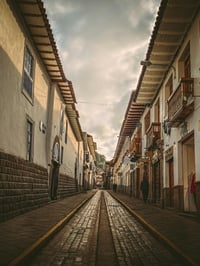
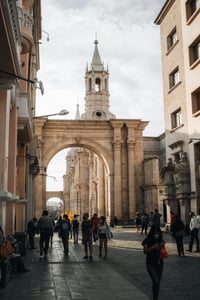
Strolling through Pisac's quaint, narrow streets offers a glimpse into its unique blend of Inca and colonial architecture. Visitors can observe the traditional Inca water drainage systems still in use and discover charming cafes and eateries. The town's central plaza serves as a primary gathering point, animated by the daily market and often frequented by the town's growing expatriate community, who often engage in spiritual and wellness activities. Sampling local dishes, such as freshly baked empanadas from a traditional oven, is a recommended experience.

Cost: Variable, depending on dining choices and purchases. Local snacks are generally affordable.

Transport: All town exploration is within walking distance.

4. Hike to Laguna Kinsa Cocha

For those seeking an adventure beyond the main tourist sites, a hike to Laguna Kinsa Cocha, or 'Three Lakes' in Quechua, offers a serene escape. This off-the-beaten-path excursion leads through remote and incredibly lush mountain landscapes, providing a tranquil experience. The scenery has been described as surreal, reminiscent of landscapes found in Iceland or Scotland, offering a unique perspective of the Andean environment.

Cost: The primary cost is transportation to the trailhead. A taxi is required and can be expensive for solo travelers, but more economical when shared among a group.

Transport: Reaching Laguna Kinsa Cocha requires a taxi from Pisac, as it is not on the typical tourist circuit or easily accessible by public transport. Taxi costs can be high unless shared.

Discover destinations in Peru