Staying Safe in Peru
Local Laws
When you're visiting, remember to always have your photo ID with you. Peru takes drug offenses very seriously, and penalties for possessing, using, or dealing illegal drugs are quite harsh, often leading to long prison terms. While certain traditional hallucinogenic substances like ayahuasca and San Pedro are legal in Peru and recognized as part of traditional healing practices, it's crucial to know that these are illegal in many other countries.
You're not allowed to take photos of infrastructure, military or police locations, or any personnel. If you're taking pictures of people, particularly those from indigenous communities, it's always best to ask for their permission first. This shows respect for their privacy and cultural traditions.
If someone says "no" to a photo, it means "no," and they might also ask for a tip after you've taken a picture. Many museums, galleries, and religious sites have their own rules about photography, sometimes prohibiting flash or any photos at all. Always check and follow these guidelines.
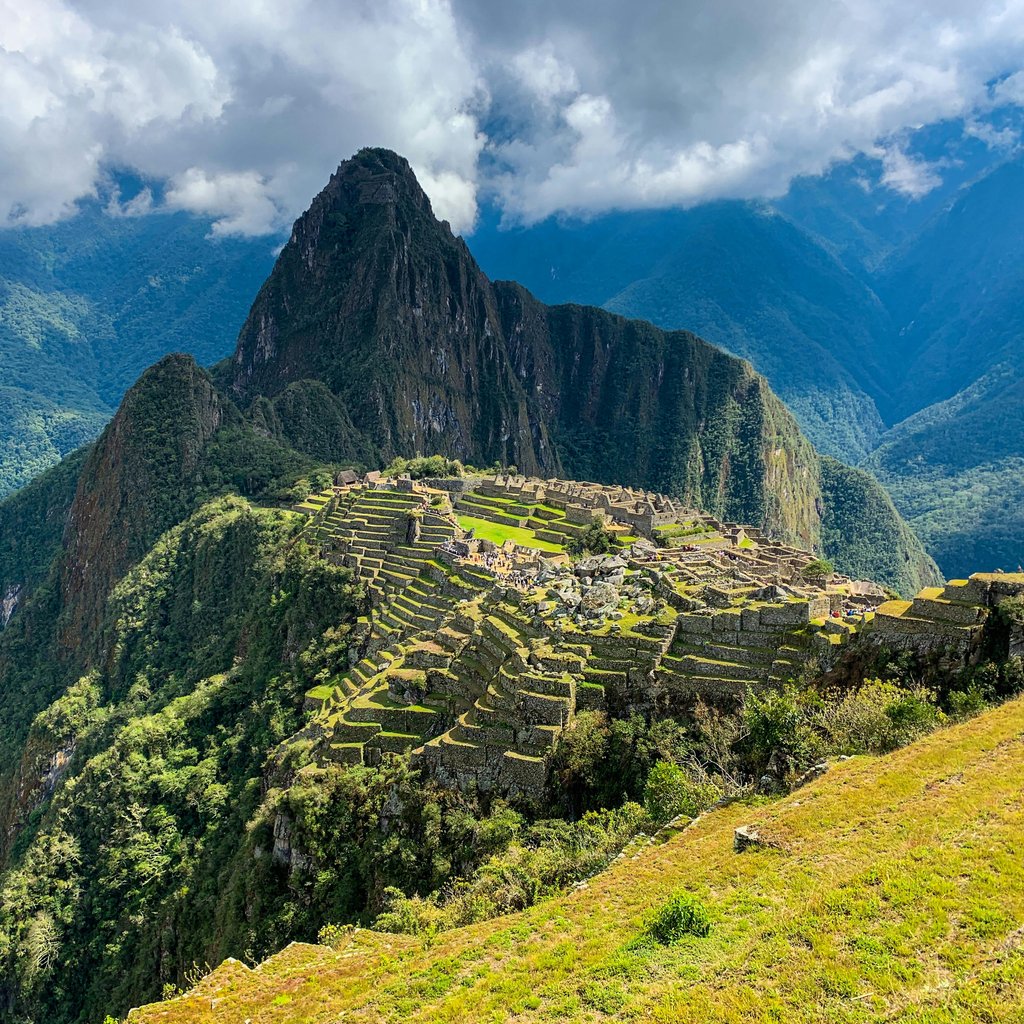
At Machu Picchu, both drones and selfie sticks are forbidden, and you'll generally need a permit for professional photography equipment like tripods. Engaging in political activities, including protests against the government, is illegal for non-citizens and could lead to being detained or deported.
Be mindful of your behavior at historical and archaeological sites like Machu Picchu; acting disrespectfully can result in fines or other penalties. It's also illegal to take any antiques or artifacts from pre-colonial Peru out of the country without a special certificate.
If you're carrying cash, you need to declare any amount over US$10,000 when entering or leaving Peru, and there's a limit of US$30,000 that you can bring in or take out.
LGBTQ+ Travellers
Peru has made strides in legal protections for LGBTQ+ individuals, with same-sex sexual activity being legal since 1924 and a 2017 decree prohibiting discrimination and hate crimes based on sexual orientation and gender identity.
However, society remains largely conservative, influenced by the Catholic Church, which means public displays of affection may draw unwanted attention outside of more progressive urban centers like Lima and Cusco. While generally considered safe for LGBTQ+ travelers due to its strong tourism industry, discretion is often advised, especially in rural areas where social attitudes may be less accepting. Despite these considerations, the country offers a welcoming experience, particularly within its major cities that boast vibrant LGBTQ+ scenes.
Scams
When visiting Peru, it's wise to be aware of a few common scams that travelers sometimes encounter. One significant issue is counterfeit money, especially fake Peruvian Sol notes and even US dollars.
To stay safe, it's best to get your cash from ATMs inside banks during their operating hours and steer clear of anyone offering unofficial money exchange. You might also run into a trick where someone asks for change, only to swap your genuine large bills for counterfeit smaller ones.
If you're looking to snap photos with locals in traditional dress or with adorable baby alpacas or llamas, be prepared that a fee is usually involved. This isn't always made clear upfront, and you might find yourself asked for payment after the picture is taken, sometimes even after the animal has been placed in your arms.
Taxi services can also be a source of scams. Drivers might claim your booked accommodation is full or unsatisfactory, then try to guide you to a pricier alternative. They may also attempt to overcharge you or engage in dishonest currency exchanges.
To avoid this, always confirm the price and currency before your ride begins. It's much safer to use licensed taxi services that you book by phone or through an app, rather than hailing one on the street. Also, be wary of fake taxi drivers or people posing as tour guides at airports and bus stations. Scammers often use distractions to divert your attention before attempting to steal from you or misdirect you.
Crime
While Peru is generally a safe bet compared to other Latin American countries, it's worth knowing that crime can be a bit of a problem, especially in bigger cities like Lima, Cusco, and Arequipa. You'll often find pickpockets and bag snatchers in busy tourist spots, public places, hotels, and restaurants. These thieves can sometimes look quite polished.
We've also seen a rise in phone theft right on the street, where people on motorbikes might grab your phone if you're using it near the curb. To stay safe, it's a good idea to keep your belongings close, hide your valuables, avoid showing off expensive items, and steer clear of using your phone right by the roadside.
More serious incidents like armed robberies and muggings do happen, and they often target smartphones, wallets, or purses. There's also a risk of "express kidnappings," where people are taken for a short time and forced to withdraw money from ATMs.
This is more of a concern for those traveling alone and at night, with Lima being a common location for these events. Sometimes, criminals working with gangs might pose as taxi drivers, or actual taxi drivers might be involved.
Even intercity buses can be targets for robberies and assaults, particularly when passengers are asleep. It's wise to stick to well-known bus companies and keep your passport and valuables with you, rather than stowing them in overhead compartments or under seats.
We've also heard reports of violent crimes, including sexual assault. Unfortunately, drugs like Rohypnol and scopolamine have been used to make these attacks easier. It's best to avoid going out by yourself, especially after dark. If you ever find yourself facing an armed criminal, it's safest to comply with their demands and not resist. On a positive note, you'll find more police in popular tourist areas in Lima, which helps keep visitors safer.