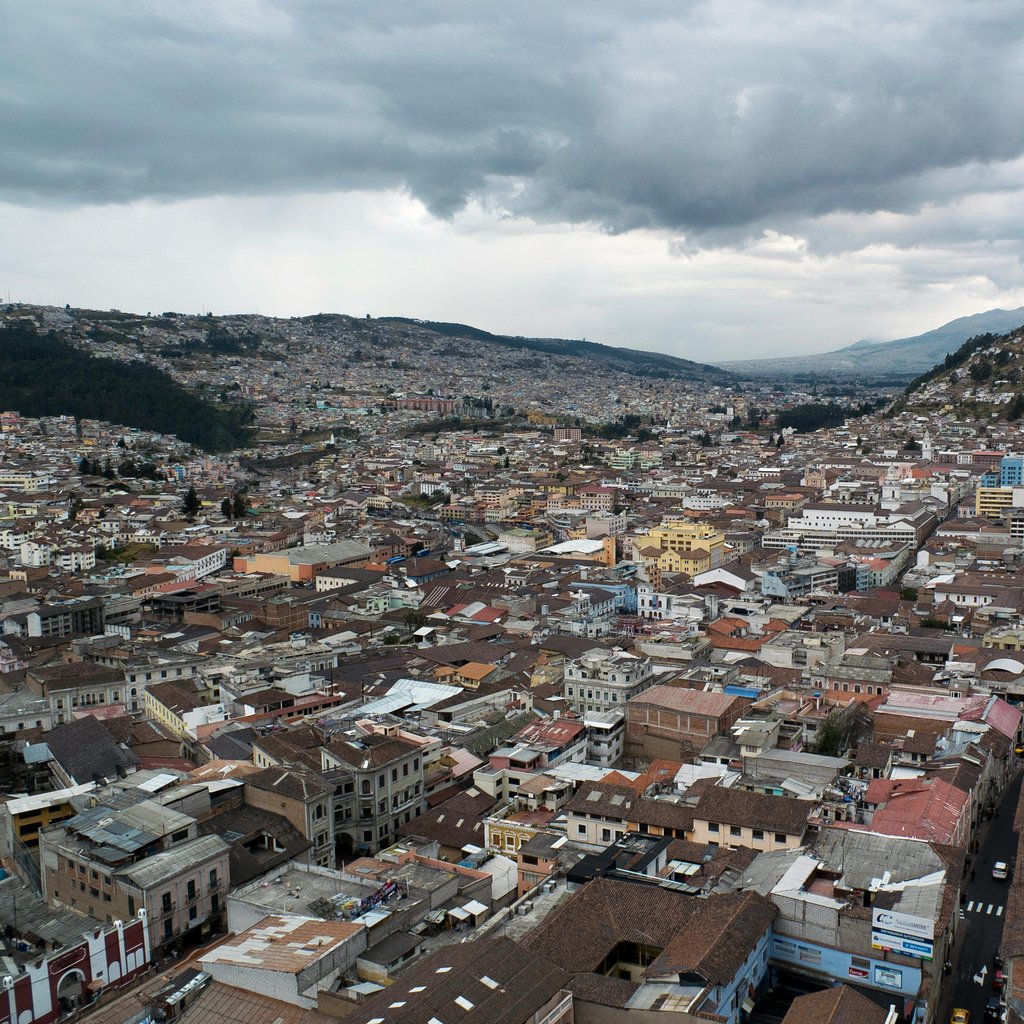
Quito, Ecuador, is served by Mariscal Sucre International Airport (UIO) for air travel. For intercity and interprovincial bus connections, the main hubs are Terminal Terrestre Quitumbe in the south and Terminal Terrestre Carcelén in the north. The city also has an urban public transportation system, including the Quito Metro, which began operations in late 2022/early 2023.
By Air (Mariscal Sucre International Airport - UIO):
Mariscal Sucre International Airport (UIO) is Ecuador's largest airport, located about 45 minutes to 1 hour east of Quito.
It offers flights to 21-23 destinations with 12 airlines, including international routes to Bogota, Panama City, Madrid, and New York.
Domestic flights connect Quito to cities like Guayaquil, Cuenca, and Manta.
Round-trip flights within mainland Ecuador typically range from US$150 to US$250, with flights to Cuenca sometimes available for around US$50-US$99.
From Mariscal Sucre International Airport (UIO) to Quito City Center:
Private Transfer/Taxi:: Costs approximately US$25-US$40 and takes about 45 minutes to 1 hour.
Airport Shuttle Bus (Aeroservicios Express):: Costs US$8-US$10 one-way, runs every 20-30 minutes, and drops passengers at Parque Bicentenario (the old airport site) or Río Coca Terminal in northern Quito. Further transfer by taxi or local bus is required. The total travel time is about 1 hour 20 minutes, excluding additional transfers.
Public Buses:: Available for US$2, these buses connect the airport to major city terminals: Route 198 to Terminal Río Coca (middle of Quito), Route 199 to Quitumbe Terminal (south), and Route 200 to Carcelén Terminal (north). The journey to these terminals takes about 60 minutes. From Río Coca, a further local bus connection (Ecovía) costs US$0.35 to reach the historic center, making the total trip approximately 2 hours. Space for large luggage may be limited.
By Intercity/Interprovincial Bus:
Terminal Terrestre Quitumbe (South):: Serves destinations in the south of Ecuador (e.g., Baños, Latacunga, Ambato, Riobamba, Cuenca), the coast (e.g., Guayaquil, Manabí, Santo Domingo, Esmeraldas), and the Amazon region (e.g., Francisco de Orellana, Tena).
Quito to Guayaquil: Approximately 8-10.5 hours, costing around US$8-US$20.
Quito to Cuenca: Approximately 8-9 hours, with fares ranging from US$16-US$24.
Terminal Terrestre Carcelén (North):: Serves destinations in the northern provinces of Ecuador (e.g., Otavalo, Ibarra, Lago Agrio, Mindo).
Quito to Otavalo: Approximately 2 hours, with costs estimated around US$2-US$3 based on general hourly rates.
Interprovincial bus travel generally costs about US$1-US$1.50 per hour. Longest trips can last up to 15 hours and cost US$25-US$30.
Car Rental:
Car rental is an option, with average costs of around US$35 per day for a basic car and US$80 per day for an automatic. Driving conditions can be chaotic.
At TFA Travel we believe in travel for all. Our mission is to enable people to explore the world as easily as possible without having to pay a travel agent a huge commission.
Our typical audience are those that want to see something new and get involved with authentic experiences of a country. Whether you are a backpacker, solo traveller, solo female traveller, straight or LGBTQ+ couple, family, you will find local and authentic experiences here.