Cuenca, a UNESCO World Heritage Site nestled in the Andes, captivates visitors with its well-preserved colonial architecture, cobblestone streets, and vibrant cultural scene. It offers a blend of historic charm and natural beauty, including the picturesque Tomebamba River and nearby El Cajas National Park. The city attracts a diverse range of visitors, from Ecuadorian weekenders seeking a cooler climate to international tourists, particularly American and Canadian retirees and expats drawn by its temperate weather, friendly atmosphere, and affordable cost of living.
The Historic Centre (El Centro) serves as the primary social hub, where a mix of locals and travelers gather amidst stunning colonial buildings and plazas. Parque Calderón is a central meeting spot for relaxation and people-watching. The El Vado district also offers a picturesque setting where art, culture, and traditional crafts converge. While Cuenca's nightlife is generally more relaxed with numerous cafes and bars, specific areas, including a lively main street, offer evening entertainment. Rooftop bars, like those found in hotels or Bogoli near Plaza Calderón, provide scenic spots to socialize. The bustling local markets, such as Mercado 10 de Agosto, are ideal for experiencing local life and interacting with artisans.
Top 7 Things to do in Cuenca
Visitors to Cuenca can explore its rich history and vibrant culture through architectural marvels and museums, immerse themselves in local life at bustling markets, enjoy scenic river walks, and venture into the breathtaking Andean natural landscapes.
1. Explore Cuenca's Historic Centre and New Cathedral
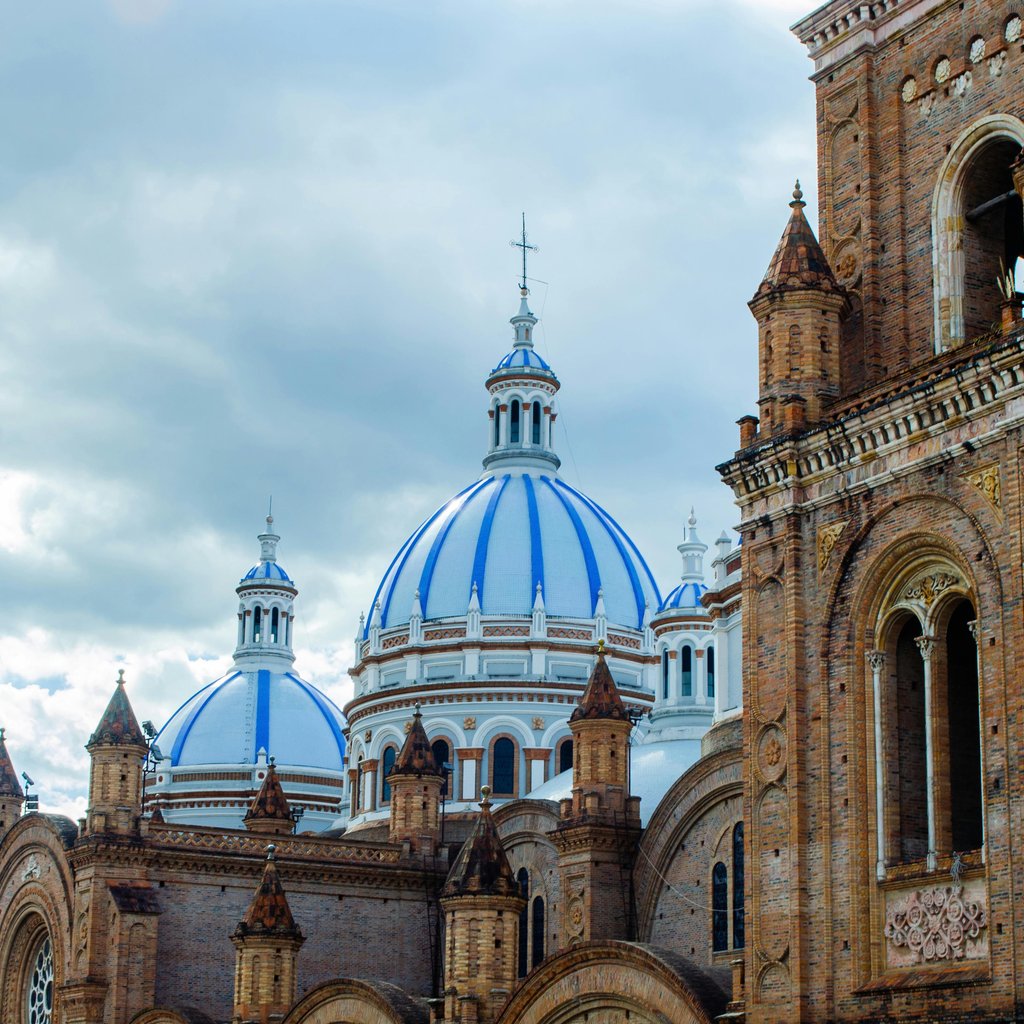
Strolling through Cuenca's UNESCO-listed Historic Centre allows one to experience the city's well-preserved colonial architecture, cobblestone streets, and charming plazas. The New Cathedral (Catedral de la Inmaculada Concepción) is a prominent landmark with its distinctive blue domes. Climbing its towers offers panoramic views of the city. Taking a guided walking tour provides in-depth insights into the city's history and cultural significance, offering a deeper appreciation of the surroundings.
Cost: Exploring the Historic Centre is free. Entrance to the New Cathedral for panoramic views may have a small fee. Guided walking tours typically range from $17 per person for a paid tour or operate on a 'tip-only' basis, with recommended tips between $10-$20 USD per person.
Transport: The Historic Centre is walkable. Most hotels and attractions are within easy walking distance. Many tours also include hotel pickup.
2. Visit a Panama Hat Factory (e.g., Homero Ortega or Barranco's)
Discover the intricate artistry behind the world-renowned Panama hat, which is actually made in Ecuador. A visit to a Panama hat factory provides a fascinating glimpse into the traditional weaving process and the history of this iconic accessory. You can see skilled artisans at work and learn about the different styles and finishes. These factories often have a museum dedicated to the hat's heritage.
Cost: Many hat factories offer free daily tours. Hats can be purchased at varying prices.
Transport: Some factories, like Barranco's, are located within walking distance of the city center on Calle Larga. Many city tours also include transport to a Panama hat factory.
3. Explore Mercado 10 de Agosto
Immerse yourself in the vibrant local culture at Mercado 10 de Agosto, a bustling covered market. It is a sensory experience with a kaleidoscope of colors, aromas, and sounds. You can find an array of fresh fruits, vegetables, traditional Ecuadorian ingredients, and a variety of artisan crafts and handmade goods. It's an ideal spot to engage with friendly local vendors and experience daily life in Cuenca.
Cost: Entry to the market is free. Costs will vary depending on purchases of food or goods. Local snacks like tamales can be found for as little as $0.50.
Transport: Mercado 10 de Agosto is centrally located and easily accessible by walking from most parts of the Historic Centre.
4. Hike in El Cajas National Park
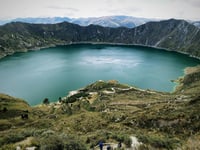
Just a short distance from Cuenca, El Cajas National Park is a breathtaking natural reserve with over 270 lakes and lagoons, glacial valleys, and unique paramo vegetation. It offers a range of hiking trails suitable for various fitness levels, from gentle walks to more challenging treks. The park's misty atmosphere often creates a mystical landscape, making it a popular destination for nature lovers and adventurers.
Cost: Entry to El Cajas National Park is generally free, unless you plan to camp overnight (approximately $4 USD for international visitors).
Transport: Public buses from Cuenca's Terminal Terrestre (bus terminal) are the most affordable option, costing around $2-$3 USD per person one-way. The journey takes about 45 minutes to an hour. Taxis are also available and cost approximately $15-$21 USD for the route. You can also take private tours.
5. Visit Mirador de Turi
For a stunning panoramic view of Cuenca's iconic red-tiled roofs and colonial architecture set against the Andean mountains, head to Mirador de Turi. This viewpoint is especially picturesque during sunset. Besides the views, there are often local vendors, restaurants, and sometimes adventure park activities like zip-lining nearby.
Cost: Access to the viewpoint itself is free. Activities at Aventuri Adventure Park (if available) may have separate costs (e.g., zip-line ~$10 USD).
Transport: Mirador de Turi is located about 4km south of the city center. Local buses marked 'Turi' can take you there for about $0.30, taking around 10 minutes. A taxi ride from the city center costs approximately $3-$5 USD. Double-decker tourist buses also offer guided tours that include a stop here.
6. Stroll along the Tomebamba River
The Tomebamba River gracefully divides Cuenca, with the historic colonial section on its northern bank. A leisurely walk along the river offers serene views of colonial buildings, lush green spaces, and parks. The Paseo 3 de Noviembre, running parallel to the river, is a popular path for jogging, biking, and picnicking, providing a peaceful escape within the city. Along the route, you can find cafes and attractions, and it's a pleasant way to connect with other key sites like Pumapungo Archaeological Park.
Cost: Free.
Transport: The river runs along the northern edge of the historic center and is easily accessible by walking from most central locations.
7. Discover Museums in Cuenca
Cuenca boasts a rich museum scene that brings its ancient civilizations and colonial legacies to life. Key museums include the Pumapungo Museum and Archaeological Park, which houses thousands of pre-Columbian artifacts and Inca ruins, and the Museum of Aboriginal Cultures (Museo de las Culturas Aborígenes), showcasing items from over 20 pre-Columbian Ecuadorian cultures. The Modern Art Museum of Cuenca (Museo Municipal de Arte Moderno) features contemporary South American art.
Cost: Entry fees vary: Pumapungo Museum and Modern Art Museum are free. The Museum of Aboriginal Cultures costs approximately $4 USD for foreigners. Other museums, like the Convent of the Immaculate Conception Museum, may have a small entrance fee around $2.50-$3.50 USD.
Transport: Most museums are located within the Historic Centre and are within walking distance of each other.
At TFA Travel we believe in travel for all. Our mission is to enable people to explore the world as easily as possible without having to pay a travel agent a huge commission.
Our typical audience are those that want to see something new and get involved with authentic experiences of a country. Whether you are a backpacker, solo traveller, solo female traveller, straight or LGBTQ+ couple, family, you will find local and authentic experiences here.