Chiloé Island

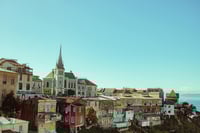
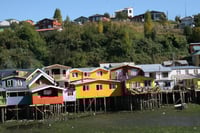
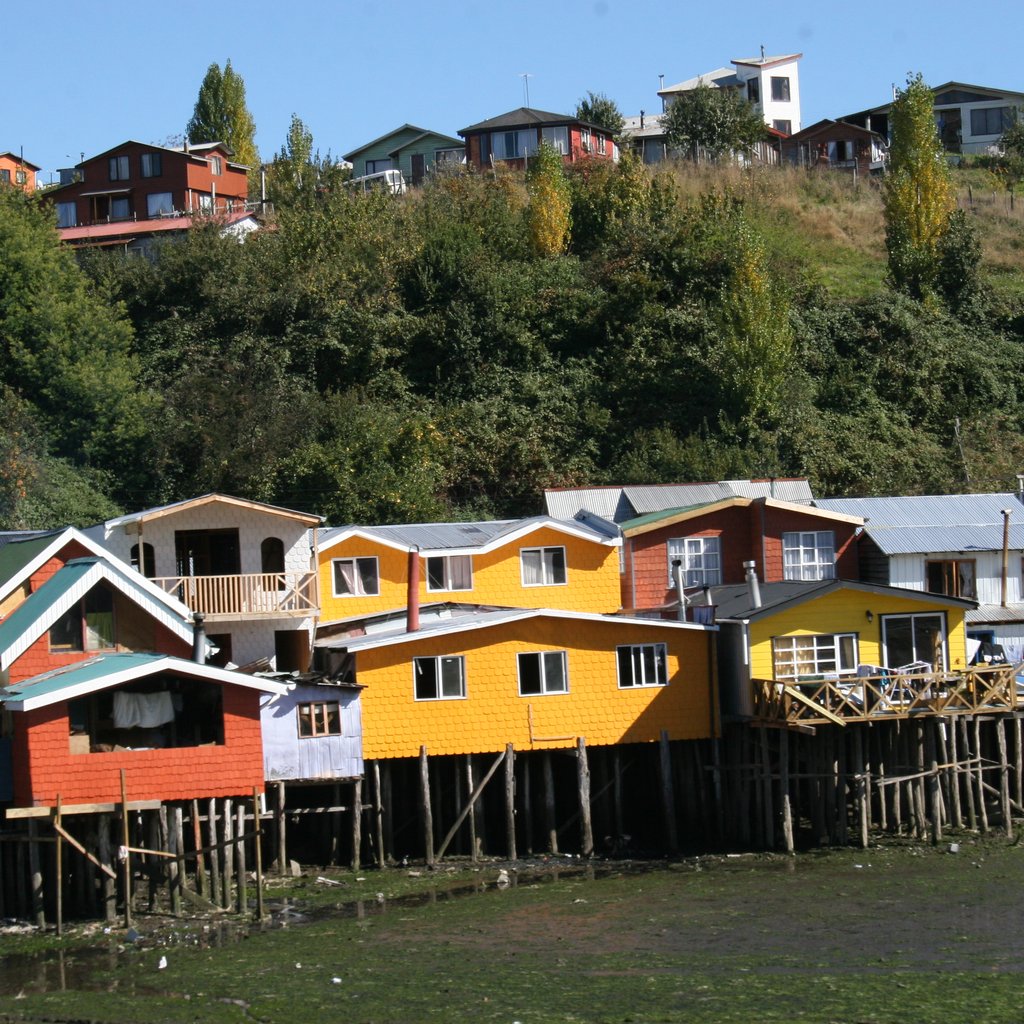
Brightly colored palafitos can be seen around Chiloe.
Cplandco, Wikimedia Commons

Chiloé Island offers a distinctive blend of unique culture, mythical folklore, and untouched nature, inviting travelers to discover its colorful stilt houses and UNESCO-listed wooden churches. The island provides a tranquil escape with opportunities for outdoor activities and cultural immersion.

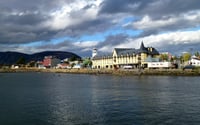
For those seeking social interaction, Castro, the island's capital, particularly the waterfront area near the Plaza de Armas, serves as a central hub with hostels and a lively atmosphere. The Mercado Municipal in Castro and the bustling markets in Dalcahue also offer opportunities to connect with locals and fellow travelers.

Top 5 Things to do in Chiloé Island

Chiloé Island offers a range of experiences from cultural and historical exploration to immersive encounters with nature and wildlife.

1. Explore UNESCO World Heritage Churches

Discover the unique wooden churches of Chiloé, a testament to a distinct architectural style that blends European Jesuit influences with local traditions. Many of these churches, such as San Francisco Church in Castro, Iglesia de Nuestra Señora de los Dolores in Dalcahue, and Iglesia Santa María de Loreto in Achao, are UNESCO World Heritage Sites. Their construction often features intricate wooden joinery without the use of nails. Visiting them offers insight into the island's deep spiritual and cultural heritage. Consider visiting early to avoid crowds, especially during peak season.

Cost: Entrance to most churches is generally free. Guided tours that include multiple churches and transport typically cost between CLP 35,000 - 95,500 (approximately USD 37 - 100) per person.

Transport: Churches are located in various towns across the island. Public buses connect major towns like Castro, Dalcahue, and Ancud. For churches on smaller islands like Quinchao (Achao), a short ferry ride from Dalcahue is required (approximately CLP 2,500/USD 2.60 for a car, or passenger fare if not driving). Taxis are also available for more direct routes.


2. Visit the Puñihuil Penguin Colony

Embark on a unique boat trip to the Islotes de Puñihuil, a natural monument and the only place in the world where Humboldt and Magellanic penguins nest side by side. The short boat excursion around these protected islets allows for close observation of these fascinating birds, along with other marine wildlife like sea otters and various bird species. The best time to visit is from September to mid-March when the penguins are present.

Cost: The boat tour costs approximately CLP 10,000 (USD 10) for adults and CLP 5,000 (USD 5) for children. The entrance to the Monumento Natural de los Islotes de Puñihuil is free, but the boat tour is necessary to see the penguins. Full-day tours from Castro or Ancud, including transport and a guide, may cost between USD 50-100.

Transport: Puñihuil is located about 45 minutes by car from Ancud. From Ancud, drive along route W20 and W220 for approximately 26 km. Day tours from Ancud, Castro, or even Puerto Montt/Puerto Varas often include transport.

3. Hike Chiloé National Park and Muelle de las Almas

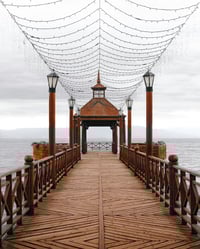
Immerse oneself in Chiloé's wild nature by exploring Chiloé National Park, a protected area of Valdivian temperate rainforest. The park offers various hiking trails ranging from short interpretive walks to longer treks through dense forests and along coastal cliffs. Adjacent to the park, and often visited together, is the iconic Muelle de las Almas (Souls' Pier), an art installation rooted in local Huilliche mythology. A hike to the pier involves a scenic walk through the landscape, offering dramatic coastal views.

Cost: Entrance to Chiloé National Park is approximately CLP 2,600 - 4,000 (USD 2.70 - 4.20) for foreign adults. To access Muelle de las Almas, there is an additional entrance fee of CLP 3,000 (USD 3.15) for landowners. Tours combining both sites are available, with some full-day tours from Castro starting around ARS 509,729 (note: this appears to be a very high conversion, likely an error in the original source's USD estimate, but the CLP equivalent is often more reasonable for local tours).

Transport: The most frequent entrance to Chiloé National Park (Cucao-Chanquín area) is about 55 km from Castro, taking approximately an hour and a half by car. Minibuses run from Castro terminal to Cucao, and then another minibus connects Cucao to the Muelle de las Almas car park. Driving from Muelle de las Almas to Castro takes about 1 hour and 14 minutes (approximately USD 8-11 for gas). A taxi from Muelle de las Almas to Castro can cost USD 45-55.

4. Experience Dalcahue's Artisan Market

Discover the vibrant local culture at Dalcahue's artisan market, especially lively on Sunday mornings when more vendors from surrounding areas arrive. Here, travelers can find a diverse array of Chilote handicrafts, including unique woolens, baskets, and figures from Chilote mythology. Behind the market, lively food stalls offer traditional dishes like fresh seafood and Dalcahue empanadas. Bargaining is often expected, and bringing cash is recommended.

Cost: Entry to the market is free. Costs depend on purchases made. Food stalls offer reasonable prices.

Transport: Dalcahue is located 19 km from Castro. Buses frequently depart from major towns like Castro (approx. CLP 2,000 - 4,000 / USD 2.10 - 4.20). Taxis from nearby towns start around CLP 10,000 (USD 10.50).

5. Wander among the Palafitos in Castro

Witness the iconic palafitos of Castro, colorful stilt houses built over the water, particularly along the waterfront area near the Plaza de Armas and in the Gamboa neighborhood. These unique architectural marvels are a signature of Chiloé's identity and reflect the island's close relationship with the sea. Strolling along the promenade offers picturesque views and photo opportunities.

Cost: Viewing the palafitos is free. Some palafitos function as hotels or restaurants, incurring respective costs if staying or dining.

Transport: The palafitos are centrally located in Castro and are easily accessible by walking from most accommodations in the city center.

Discover destinations in Chile