Arica

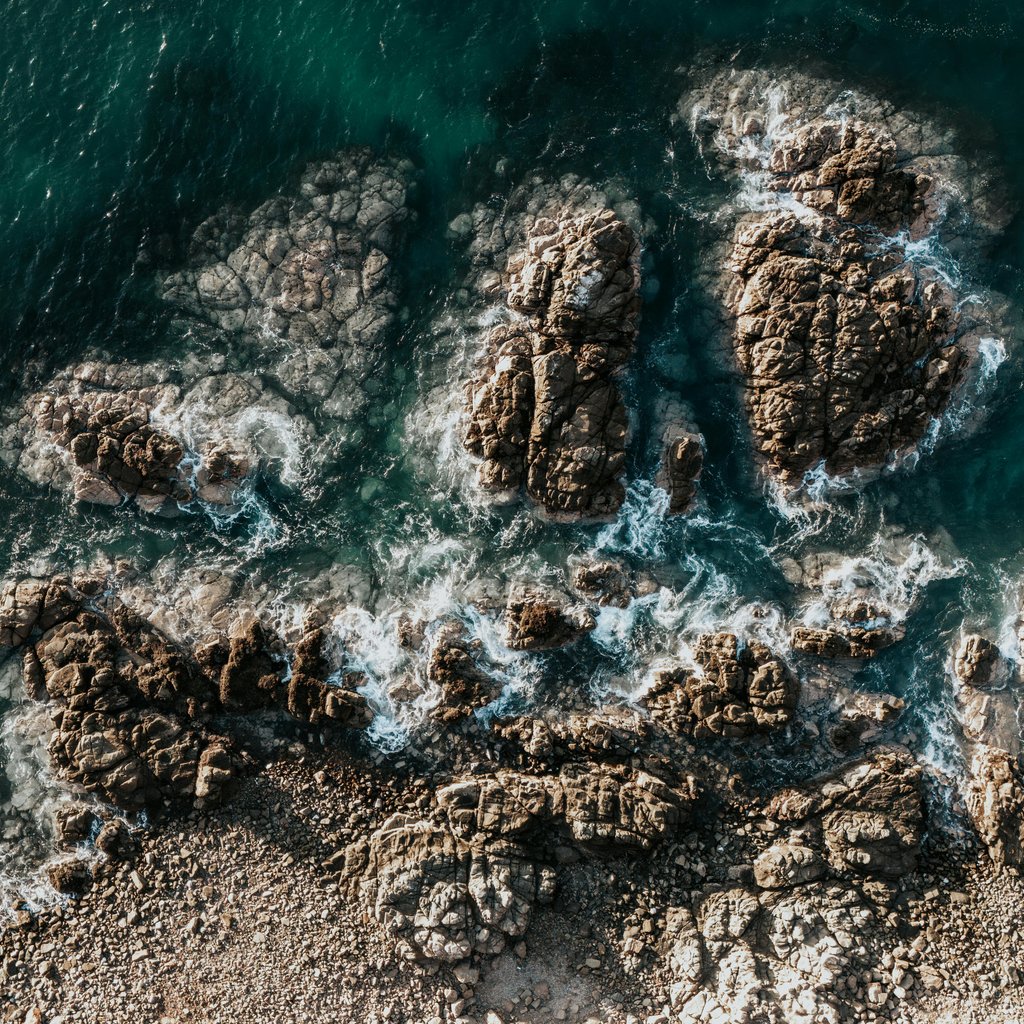
A stunning aerial shot of the rocky coastline and waves in Arica, Chile.
CamilaIgnacia Anguloğlu, Pexels

Arica, often known as the "City of Eternal Spring," offers a delightful blend of warm, sunny weather and diverse attractions. It is a coastal city with inviting beaches, rich historical sites, and serves as a gateway to desert landscapes and Andean highlands.

Tourists seeking to socialize can find lively spots along beaches such as Chinchorro and El Laucho, which feature cafes and various evening activities. The city center, particularly around the 21 de Mayo shopping street and the bustling Terminal Agropecuario Arica (El Agro) market, provides a vibrant atmosphere where locals and visitors interact. Additionally, Bolognesi street offers a selection of resto bars, and some hostels provide common areas for travelers to connect.

Top 6 Things to do in Arica

Experiences in Arica primarily involve exploring significant historical sites, engaging with diverse natural coastal and desert environments, and immersing oneself in the city's rich local culture.

1. Ascend El Morro de Arica

Standing atop El Morro de Arica, the city unfolds beneath you, offering panoramic views of the Pacific Ocean, the port, and the sprawling urban area. This imposing cliff holds significant historical weight, having been the site of a pivotal battle during the War of the Pacific. A small museum at the summit provides insights into these events, displaying historical artifacts and cannons. Visiting around sunset provides a particularly stunning visual experience of the city lights and coastal glow.

Cost: Access to El Morro is free. The Historical and Weapons Museum at the top has an entrance fee of approximately CH$1,000 (around USD $1.50).

Transport: The hilltop is accessible by a steep footpath from the south end of Calle Colón, or by taxi, which costs approximately CH$4,000 for a round-trip with a 30-minute wait. Local buses also run to the area, costing around $1 and taking about 7 minutes from central points.


2. Explore the San Miguel de Azapa Archaeological Museum

Venturing into the Azapa Valley leads to the San Miguel de Azapa Archaeological Museum, a repository of over 10,000 years of regional history. The museum is renowned for housing some of the world's oldest mummies, those of the Chinchorro culture, which predate Egyptian mummies by millennia. Displays vividly illustrate the human development of the Central South Andean area through artifacts, dioramas, and cultural exhibits, offering a deep dive into ancient civilizations.

Cost: Entrance for adults is CH$2,000, and for children, it is CH$1,000.

Transport: The museum is approximately 12 kilometers east of Arica. Shared taxis (colectivos) are available from the corner of Chacabuco and Patricio Lynch for about CH$1,200.

3. Discover the Cuevas de Anzota

A short drive along the coastline south of Arica reveals the Cuevas de Anzota, a series of stunning sea caves and unique rock formations shaped by centuries of ocean waves. A well-maintained coastal walk, complete with staircases and viewpoints, allows for easy exploration of these geological wonders. The area also holds archaeological significance, once being home to the ancient Chinchorro culture. It is a rewarding experience for those who appreciate natural beauty and a touch of ancient history.

Cost: Entry to the caves is free.

Transport: Located about 10-12 kilometers from the city center, there is no direct public transport. A taxi costs approximately CH$7,000 to CH$10,000 for a one-way trip. Negotiating with a driver to wait while you explore is advisable, as return taxis from the caves might charge higher rates.

4. Relax at Chinchorro and El Laucho Beaches

Arica's coast offers inviting beaches for relaxation and water activities. Chinchorro Beach, expansive and close to the city center, is ideal for long walks, sunbathing, and watching the local life unfold. El Laucho Beach, with its calm waters, is perfect for swimming, snorkeling, kayaking, and paddle surfing. Both beaches provide a quintessential Arica experience with their warm, clear waters and laid-back atmosphere, allowing visitors to enjoy the year-round pleasant climate.

Cost: Access to both beaches is free. Costs for rentals (e.g., paddleboards, kayaks) or surf lessons would vary.

Transport: Chinchorro Beach is located about 2 kilometers north of downtown, and El Laucho Beach is situated to the south. Both are easily accessible by local public transport or short taxi rides from the city center.

5. Visit San Marcos Cathedral and the Ex-Aduana

In the heart of Arica, the San Marcos Cathedral stands as a remarkable architectural masterpiece. Designed by Gustave Eiffel, the visionary behind the Eiffel Tower, this Gothic-style iron church was prefabricated in France and assembled in Arica in 1876. Nearby, the Ex-Aduana (former Customs House), also an Eiffel design, showcases similar prefabricated iron construction. These structures are not only significant historical landmarks but also offer a glimpse into the city's unique architectural heritage.

Cost: Visiting the exterior and interior of the Cathedral and Ex-Aduana is typically free.

Transport: Both structures are located in Arica's city center and are within walking distance from many central accommodations.

6. Experience Terminal Agropecuario Arica (El Agro) Market

A bustling hub of local commerce and culture, the Terminal Agropecuario Arica (El Agro) market offers a vibrant sensory experience. Here, you can find an abundance of fresh fruits, vegetables, and traditional products from the Arica region, including the famous Azapa olives. This market provides an authentic opportunity to observe daily local life, interact with highland communities, and sample regional delicacies, offering a true taste of Arica's agricultural richness.

Cost: Entry to the market is free. Costs apply for purchases.

Transport: The market is located on Panamericana Norte 3501. It is accessible by local bus or a short taxi ride from the city center.

Discover destinations in Chile