1. Explore the Historic Center and its Churches
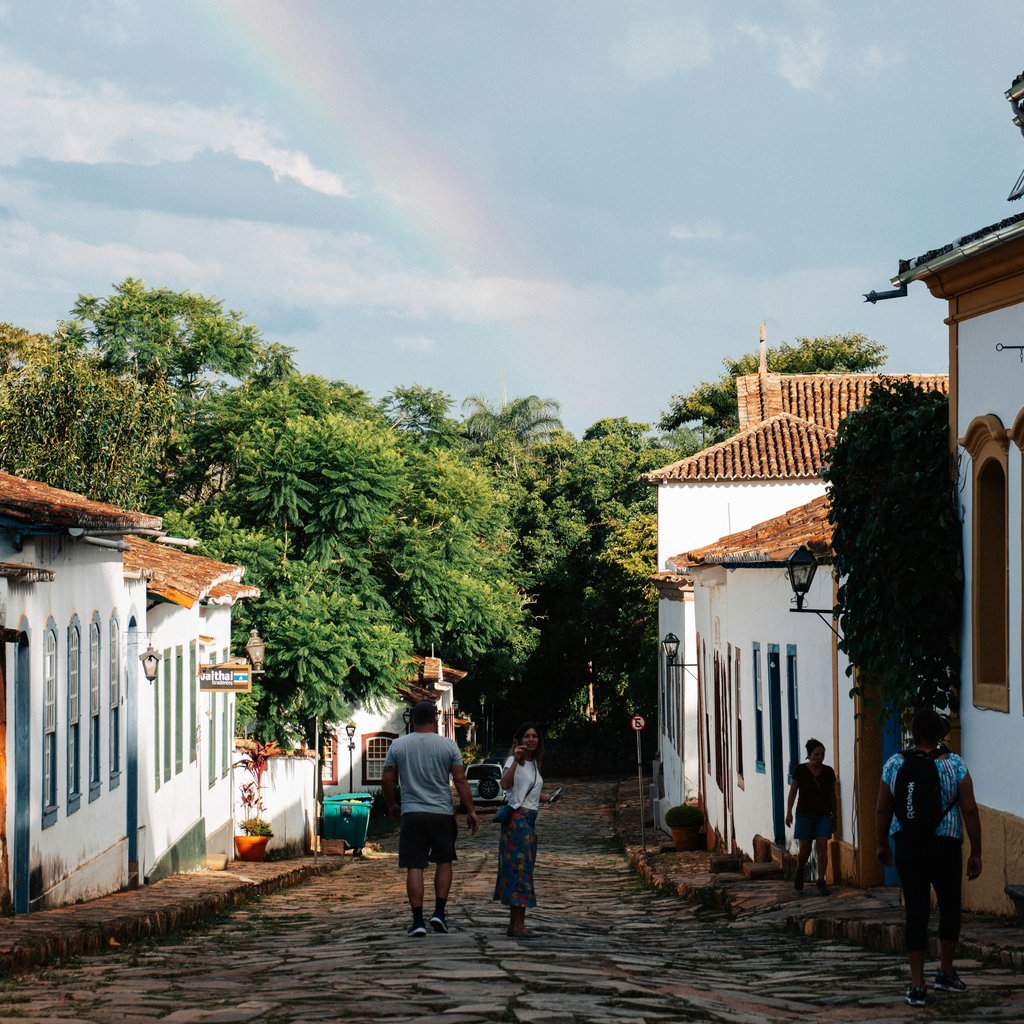
Wandering through Tiradentes' cobblestone streets reveals well-preserved 18th-century architecture, offering a genuine sense of stepping back in time. The town is home to significant baroque churches, including the Igreja Matriz de Santo Antônio, renowned for its opulent gold-leaf interior and intricate details. Visitors can also explore the Chafariz de São José, an impressive 18th-century fountain that historically served as the town's primary water source, and marvel at its unique baroque facade. The historic center is compact and easily walkable.
Cost: Exploring the streets is free. A suggested donation for entry to Igreja Matriz de Santo Antônio is typically R$ 5 to R$ 10. The Chafariz de São José is free to visit.
Transport: All major historical sites within the compact historic center are easily accessible on foot.
2. Maria Fumaça Steam Train Ride
Embark on a scenic journey aboard the historic Maria Fumaça steam train, the oldest in operation in Brazil, connecting Tiradentes to the nearby city of São João del Rei. This 12-kilometer, 40-minute ride offers picturesque views of the surrounding countryside and railway heritage. Upon arrival in São João del Rei, the Railway Museum is worth visiting, showcasing historical artifacts and the locomotive used by Emperor Dom Pedro II.
Cost: A one-way ticket costs R$ 86.00, and a round-trip ticket is R$ 172.00. Children aged 0-5 ride free (on lap), and discounts are available for children aged 6-12, students, and seniors over 60.
Transport: The train departs from the Tiradentes Railway Station, which is within walking distance of the historic center. Tickets can be purchased at the stations or online.
3. Horse-Drawn Carriage Ride (Passeio de Charrete)
Experience a charming and leisurely horse-drawn carriage ride through Tiradentes' historic center. This provides a relaxing way to explore the colonial streets, with charreteiros (drivers) often sharing local stories and curiosities about the town. It is an excellent option for families or those who prefer to rest their legs while sightseeing. The service is regulated to ensure animal welfare and passenger safety.
Cost: Prices vary depending on the route and duration, typically ranging from R$ 40 to R$ 70 for a complete ride. A charrete can accommodate up to four people.
Transport: Carriages are readily available at Largo das Forras, the main square in the historic center.
4. Hiking in Serra de São José
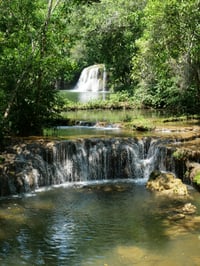
For those seeking an active experience, the Serra de São José mountain range surrounding Tiradentes offers a variety of hiking trails. Trails like the 'Trilha do Carteiro' or 'Trilha da Travessia' lead to panoramic viewpoints and natural pools, providing stunning vistas of the town and lush Atlantic Forest. It is an opportunity to connect with nature and appreciate the region's diverse ecosystem.
Cost: Self-guided hiking is free. Guided tours, such as the 'Trilha da Travessia,' are available for approximately R$ 200 per adult, with discounts for children over 12.
Transport: Some trailheads, like for the Trilha do Carteiro, can be reached by walking from the town's edge (e.g., Cascalho neighborhood). For other starting points or convenience, a taxi may be required. No specific public transport routes were identified directly to distant trailheads.
5. Indulge in the Gastronomy of Minas Gerais
Tiradentes is a celebrated foodie destination, boasting a high concentration of acclaimed restaurants that serve traditional Minas Gerais cuisine. Visitors can savor hearty local dishes such as 'tutu de feijão' (bean paste) and 'leitão à pururuca' (crispy roasted pig), often prepared with local ingredients. Many establishments offer unique culinary experiences, blending traditional flavors with contemporary interpretations. The town also hosts the annual Festival Cultura e Gastronomia de Tiradentes in August, attracting food enthusiasts.
Cost: Meal prices vary widely based on the establishment. Casual meals may range from R$ 25 to R$ 50 per person, while fine dining experiences would be considerably higher.
Transport: Restaurants are concentrated within the historic center and are easily accessible on foot.
6. Visit Bichinho Village for Artisanal Crafts
Take a short trip to the nearby village of Bichinho, known for its rustic charm and vibrant artisanal scene. This quaint village is a hub for local artists and craftspeople, offering a wide array of handmade products including ceramics, wooden sculptures, ironwork, and unique souvenirs. Exploring the workshops and galleries provides insight into Brazilian craftsmanship and offers opportunities to purchase authentic local goods. The 'Casa Torta' (Crooked House) is a notable and eclectic stop in Bichinho.
Cost: The cost is primarily for transportation and any purchases made. Entry to artisan workshops is generally free.
Transport: Bichinho is a short drive from Tiradentes, approximately 7 km. Taxis are the most convenient option, with costs varying. Public bus routes may be infrequent or limited.
7. Discover Local History at Museums
Tiradentes offers several museums that delve into its rich past. The Museu da Liturgia is the only one of its kind in Latin America, showcasing over 400 liturgical objects and sacred art from the 18th to 20th centuries, providing a unique cultural immersion. The Museu Casa Padre Toledo, a former meeting place for revolutionaries, provides insight into Brazil's independence movement. Additionally, the Museu de Sant'Ana, housed in a former jail, features a distinct collection of religious sculptures. These museums offer a deeper understanding of the town's historical and religious significance.
Cost: Entry to Museu da Liturgia costs R$ 10 (full) or R$ 5 (half). Specific costs for Museu Casa Padre Toledo and Museu de Sant'Ana were not readily available in recent searches; they typically have a modest entry fee.
Transport: All museums are located within or very close to the historic center, making them easily accessible on foot.