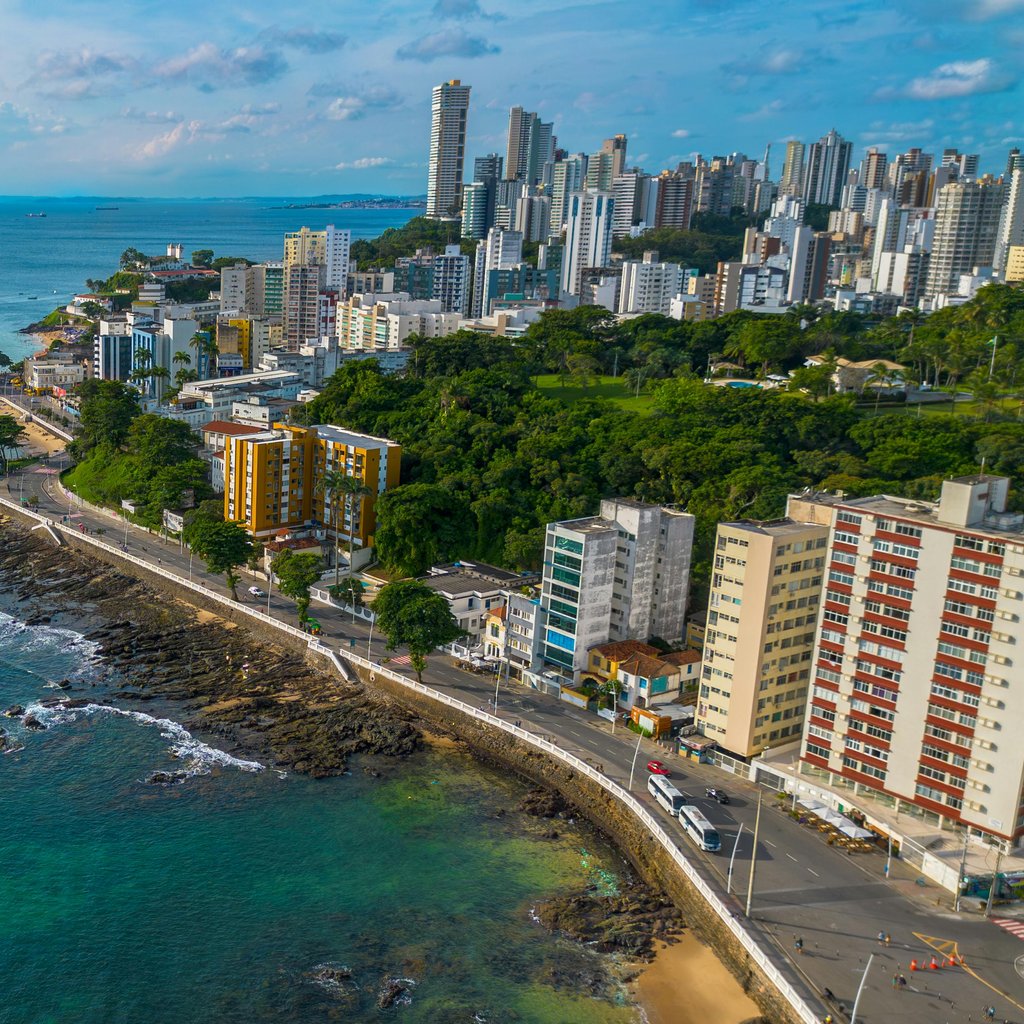
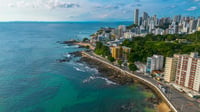
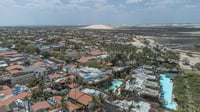
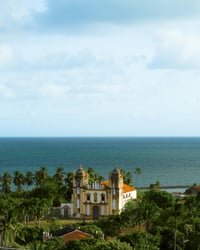
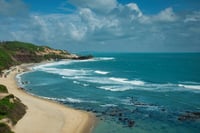
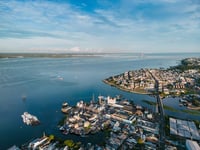
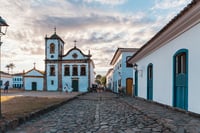
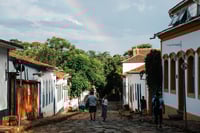
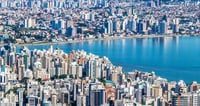
Salvador, Brazil, is a city rich in Afro-Brazilian culture and deep historical significance, having been Brazil's first colonial capital. It offers a vibrant blend of African, Indigenous, and Portuguese influences, showcased through its colorful historic architecture, lively music, and dynamic festival scene. Visitors are drawn to its beautiful beaches and a strong cultural identity that permeates every aspect of daily life.
For those looking to socialize, Pelourinho, the historic center, serves as a lively hub with street performers, live music, and numerous hostels that attract backpackers. Rio Vermelho is also a popular bohemian neighborhood known for its vibrant nightlife, featuring various bars and restaurants. The Barra neighborhood provides a more relaxed yet engaging atmosphere, particularly around its beach areas, where both locals and travelers gather.
Top 6 Things to do in Salvador
In Salvador, visitors can immerse themselves in the city's rich Afro-Brazilian heritage, exploring historical sites, enjoying vibrant cultural performances, relaxing on urban beaches, and savoring distinctive local cuisine.
1. Explore Pelourinho and São Francisco Church
Wandering through Pelourinho, the historic center of Salvador and a UNESCO World Heritage site, is a journey into a vibrant past. The cobblestone streets wind between colorful colonial buildings, many adorned with intricate architectural details. A highlight is the São Francisco Church and Convent, renowned for its opulent interior covered in gold leaf and its cloister featuring traditional Portuguese blue-and-white 'azulejo' tiles. As you explore, you will encounter the lively spirit of Afro-Brazilian culture through street performers, capoeira demonstrations, and the rhythmic sounds of music. The Igreja Nossa Senhora do Rosário dos Pretos, built by and for enslaved Africans, offers a poignant glimpse into the city's religious history.
Cost: Free to explore the neighborhood. Some churches, like São Francisco, may have a small entrance fee (around R$5-10). Guided walking tours are available, with prices varying from tip-based to paid options.
Transport: Pelourinho is a central, walkable area. Taxis and ride-sharing services are widely available from other parts of the city. Public buses also connect to the historic center.
2. Ride the Elevador Lacerda
The Elevador Lacerda is an iconic Art Deco public elevator that serves as a crucial link between Salvador's Cidade Alta (Upper City), where Pelourinho is located, and the Cidade Baixa (Lower City), home to Mercado Modelo. The quick 20-second ride offers breathtaking panoramic views of the vast All Saints Bay, making it not just a functional transport but also a prime photo opportunity. Experiencing this architectural marvel provides a unique perspective of Salvador's distinct topography.
Cost: R$ 0.15 per trip.
Transport: It directly connects Praça Municipal in the Upper City to Praça Visconde de Cayru in the Lower City, making it highly accessible if you are in either area. It is walkable from Pelourinho and Mercado Modelo.
3. Relax at Porto da Barra Beach and Visit Farol da Barra
Porto da Barra is a popular urban beach known for its calm, clear waters and crescent-shaped shoreline, ideal for swimming and unwinding. It's a favorite spot for both locals and visitors, perfect for enjoying the sun or people-watching. At one end of the beach stands the Farol da Barra (Barra Lighthouse), a historic landmark offering spectacular sunset views over the Bay of All Saints. Inside the lighthouse, the Nautical Museum of Bahia provides insights into maritime history. The area around the lighthouse is a lively gathering point, especially in the late afternoon.
Cost: Beach access is free. Umbrellas and lounge chairs are available for rent. The Nautical Museum inside the lighthouse has a small entrance fee (around R$35).
Transport: Located in the Barra neighborhood, it is easily reachable by taxi or ride-sharing services from central areas. Public buses also serve the area.
4. Savor Bahian Cuisine
Salvador's culinary scene is a vibrant fusion of African, Indigenous, and Portuguese flavors, making it a highlight of any visit. You must try 'Acarajé', a deep-fried black-eyed pea fritter, typically split open and filled with vatapá (a creamy shrimp paste), caruru (okra sauce), and dried shrimp. These are often prepared and sold by 'baianas' (women in traditional white dresses) from street stalls, offering an authentic taste of local life. Another essential dish is 'Moqueca', a flavorful seafood stew cooked in coconut milk and dendê oil, often found in local restaurants. Consider taking a cooking class to learn the secrets of these unique dishes.
Cost: Acarajé from a street vendor is typically inexpensive (R$10-20). A meal of Moqueca in a restaurant can vary, usually in the mid-range (R$50-100+ per person). Cooking classes are usually a paid tour experience (often starting from R$150-300+).
Transport: Street food vendors are prevalent in Pelourinho and Rio Vermelho. Restaurants serving traditional Bahian cuisine are found throughout the city, including Pelourinho, Rio Vermelho, and Barra.
5. Experience Afro-Brazilian Cultural Performances
Immersing yourself in Salvador's vibrant Afro-Brazilian culture often means witnessing its dynamic dance and martial arts traditions. The Balé Folclórico da Bahia presents energetic shows at Teatro Miguel Santana in Pelourinho, showcasing folkloric dances of African origin, including lively samba and agile capoeira movements. Beyond formal performances, you may encounter 'capoeira rodas' (circles) on the streets of Pelourinho, where practitioners demonstrate this unique Afro-Brazilian martial art that blends dance, acrobatics, and music. These spontaneous displays offer an authentic glimpse into Salvador's cultural heartbeat.
Cost: Tickets for Balé Folclórico da Bahia vary (expect around R$90+). Watching street capoeira is free, though tipping performers is customary. Participation in capoeira classes is a paid activity.
Transport: Balé Folclórico da Bahia performs at Teatro Miguel Santana in Pelourinho. Street capoeira demonstrations are common in Pelourinho.
6. Shop at Mercado Modelo
Mercado Modelo, a historic market housed in a beautiful neoclassical building in the Lower City, is a bustling hub for local handicrafts and souvenirs. Across its two floors, you can explore over 250 stalls offering a wide range of Bahian goods, including musical instruments, wood carvings, lace, and colorful 'Senhor do Bonfim' ribbons. It’s a great place to engage in the traditional art of haggling for a fair price. The market also features traditional Bahian restaurants on its upper floor, providing an opportunity to enjoy local cuisine with views of the Salvador bay.
Cost: Entry to the market is free; costs depend on purchases made. Restaurant prices vary.
Transport: Located in the Comércio district in the Lower City, it is easily accessible and directly at the base of the Elevador Lacerda.
At TFA Travel we believe in travel for all. Our mission is to enable people to explore the world as easily as possible without having to pay a travel agent a huge commission.
Our typical audience are those that want to see something new and get involved with authentic experiences of a country. Whether you are a backpacker, solo traveller, solo female traveller, straight or LGBTQ+ couple, family, you will find local and authentic experiences here.