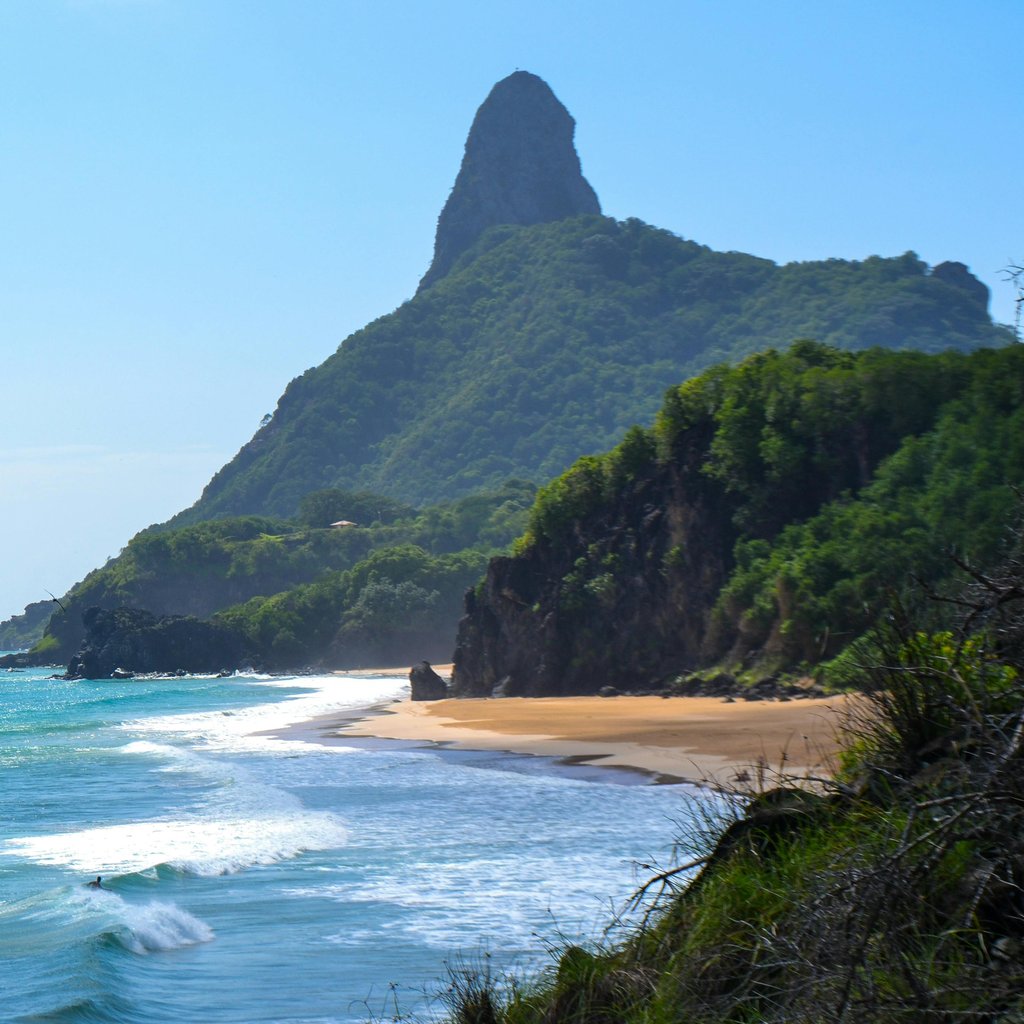
Fernando de Noronha

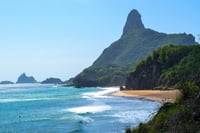
Explore the pristine beach and iconic peak in Fernando de Noronha, Brazil, a true tropical paradise.
thiago japyassu, Pexels

Fernando de Noronha is a protected volcanic archipelago recognized as a UNESCO Natural World Heritage site, celebrated for its stunning beaches, remarkably clear waters, and diverse marine life. This destination offers a blend of natural beauty and opportunities for active exploration, while strictly adhering to environmental preservation measures.

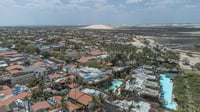
Vila dos Remédios serves as the main hub, providing a central area for visitors. For those seeking to connect with other travelers, various hostels offer social environments, communal spaces, and organized activities such as dinners and tours. Additionally, venues like Bar do Meio and Bar do Cachorro provide live music and a lively atmosphere.

Top 6 Things to do in Fernando de Noronha

Visitors can engage in a range of activities focused on the archipelago's exceptional natural beauty, including exploring renowned beaches, discovering diverse marine life, and traversing scenic land trails.

1. Snorkeling and Diving in Baía do Sancho and Baía dos Porcos

Experience the world-renowned Baía do Sancho, repeatedly voted the best beach, and the adjacent Baía dos Porcos. These locations offer remarkably clear waters, providing unparalleled visibility for observing diverse marine life, including sea turtles, dolphins, and a variety of tropical fish. Baía dos Porcos is particularly noted for its rich underwater visibility, reaching 40 to 50 meters, and interesting rock formations that attract marine inhabitants. Access to Baía do Sancho involves navigating steps and a ladder carved into a cliff, or arriving by boat.

Cost: Access requires the Fernando de Noronha Marine National Park (ICMBio) ticket, which costs R$251.00 for foreigners and R$126.00 for Brazilians, valid for 10 days. Snorkel gear rental typically costs around R$35-40 per day, but bringing your own can save costs. Scuba diving excursions involve additional costs and vary by operator.

Transport: Baía do Sancho and Baía dos Porcos are located within the Marine National Park. Access can be challenging on foot, often involving walks from nearby areas like Cacimba do Padre. Taxis are available on the island, with fares ranging from R$20-R$50 depending on distance. A bus service runs along the main road for R$5 per ride. Boat tours often include stops at these bays.


2. Island Boat Tour (Passeio de Barco)

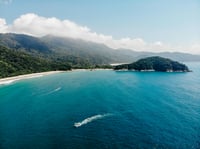
Embark on a boat tour to gain a unique perspective of Fernando de Noronha's stunning coastline, featuring long white beaches, lush vegetation, and towering cliffs. These tours typically include visits to hidden caves and significant landmarks like Ponta de Sapata, often incorporating opportunities for snorkeling in various spots. It provides an excellent way to see the island's natural beauty from the ocean.

Cost: A half-day boat tour is approximately R$250, while a full-day tour starts at R$375. Snorkel gear is usually included in the tour price.

Transport: Tours generally depart from Praia do Porto. Taxis or the local bus can transport visitors to the port. Bus fare is R$5. Taxi fares range from R$20-R$50.

3. Dolphin Watching at Baía dos Golfinhos

Visit Baía dos Golfinhos (Dolphin Bay), a protected area where spinner dolphins frequently gather. Observing these marine mammals in their natural habitat from dedicated viewpoints is a popular and memorable experience, particularly early in the morning when they are most active.

Cost: Access to the viewpoint requires the Fernando de Noronha Marine National Park (ICMBio) ticket.

Transport: Baía dos Golfinhos is located within the Marine National Park. It can be accessed via paths from other park areas or by taxi. Taxi fares vary from R$20-R$50.

4. Hiking the ICMBio Trails (e.g., Atalaia, Morro São José)

Explore the island's terrestrial beauty through various trails managed by ICMBio (Chico Mendes Institute for Biodiversity Conservation). Trails like Atalaia offer shallow natural pools at low tide, ideal for observing marine life up close, sometimes requiring specific equipment like snorkeling gear and vests for preservation. Morro São José provides rewarding views. Some trails require advance scheduling and may necessitate a guide to ensure preservation of the fragile ecosystem.

Cost: Access to most trails requires the Fernando de Noronha Marine National Park (ICMBio) ticket. Guided trails typically cost around R$150. Snorkel gear rental for Atalaia is about R$40.

Transport: Trails depart from various points on the island. The ICMBio center, located near Project Tamar, is where trail reservations are made. Local buses cost R$5 per ride, and taxis range from R$20-R$50.

5. Explore Vila dos Remédios and Forte de Nossa Senhora dos Remédios

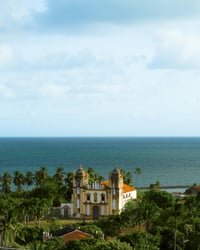
Wander through Vila dos Remédios, the main village and cultural hub of the island. It offers a glimpse into local life and history, with preserved colonial ruins and charming island ambiance. Visit the Forte de Nossa Senhora dos Remédios, a historic fortification that provides panoramic views of the island, including the ocean, hills, and several beaches. It is a relaxing area for photography and understanding the island's past.

Cost: Exploring the village and entering the fort are generally free activities.

Transport: Vila dos Remédios is centrally located and accessible by walking from many accommodations. Public buses run through the village for R$5. Taxis are also available.

6. Surfing at Cacimba do Padre Beach

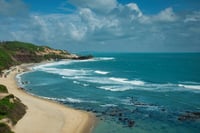
For surf enthusiasts, Cacimba do Padre Beach is a renowned spot, particularly during the wave season from mid-December to mid-April. This long stretch of golden sand is famous for its consistent waves and provides a scenic backdrop with the iconic Morro Dois Irmãos (Two Brothers Rock) offshore. It is also the access point to Baía dos Porcos.

Cost: Free, though surf lessons and board rentals would incur additional costs. Access requires the Fernando de Noronha Marine National Park (ICMBio) ticket.

Transport: Cacimba do Padre Beach is accessible by bus, taxi, or rented buggy. A bus ride costs R$5. Taxi fares vary from R$20-R50. Buggy rentals start from R$290 per day.

Discover destinations in Brazil