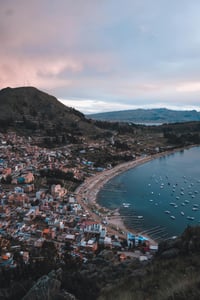
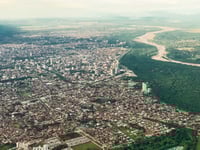
La Paz, Bolivia, is a high-altitude administrative capital city known for its unique blend of indigenous culture, colonial heritage, and dramatic Andean landscapes. It offers visitors vibrant markets, historical streets, and breathtaking panoramic views, often serving as a gateway to broader Bolivian adventures.
For travelers seeking to socialize, La Paz provides several options. Sopocachi is recognized for its lively nightlife, art, and music scenes, hosting hostels like Selina La Paz. Zona Centro is a central hub popular with backpackers, featuring party-oriented accommodations such as Wild Rover La Paz, as well as more relaxed hostels like No Fear Hostel that organize social events. The San Pedro neighborhood also offers a vibrant atmosphere with numerous hostels, and Sagarnaga Street is known for its various bars.
Top 8 Things to do in La Paz
The activities in La Paz offer a blend of unique cultural immersion, breathtaking panoramic views, and opportunities for adventure in its dramatic high-altitude setting.
1. Mi Teleférico Cable Car System
Experience La Paz from above by riding its extensive Mi Teleférico cable car system. This modern public transport network, the world's longest, provides unparalleled panoramic views of the city's sprawling landscape and the surrounding mountains. It is an efficient and scenic way to navigate La Paz and connect with various neighborhoods. Many find a full loop around the city to be a highlight, offering diverse perspectives as the cabins glide over different areas.
Cost: A single ride costs 3 Bolivianos (BOB), or approximately $0.43 USD. A full loop covering multiple lines can cost around 21 BOB (about $3 USD) if purchasing individual tickets, or slightly less with a rechargeable card (30 BOB for the card with 10 BOB credit, then 2 BOB per transfer).
Transport: Mi Teleférico itself is the primary mode of transport. Stations are widespread across La Paz and El Alto; use a map or Google Maps to locate the nearest station to your accommodation.
2. Witches' Market (Mercado de las Brujas)
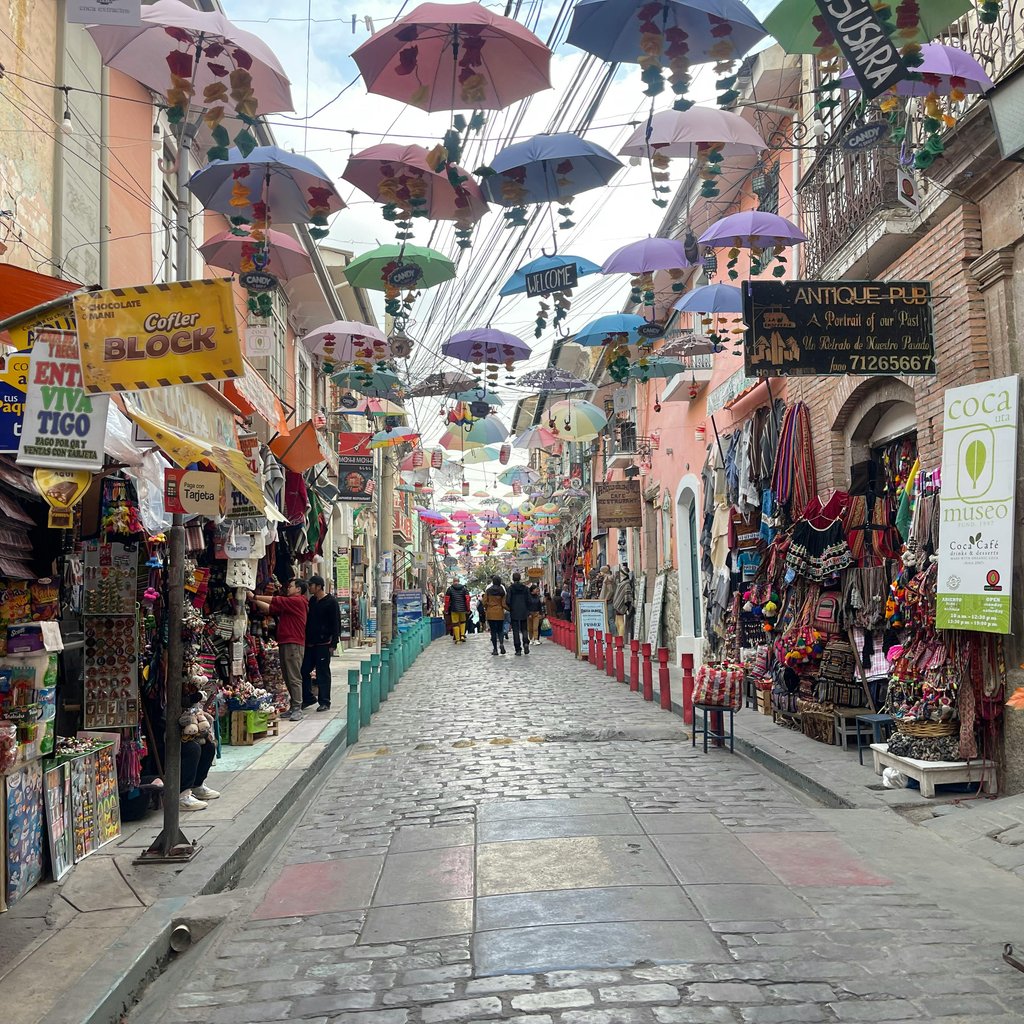
Wander through the Mercado de las Brujas, a unique open-air market where local Aymara vendors sell traditional remedies, herbs, and intriguing items like dried llama fetuses, which are used in spiritual rituals for good luck and offerings to Pachamama (Mother Earth). While it has become somewhat touristy, it remains a fascinating glimpse into Bolivian beliefs and customs, offering an array of souvenirs and medicinal plants.
Cost: Free to browse. The cost of items varies greatly depending on what is purchased.
Transport: The Witches' Market is centrally located on Calle Jimenez and Calle Linares, easily accessible by walking from most downtown areas or via a short taxi ride. It is also a common stop on many walking tours.
3. Valle de la Luna (Moon Valley)
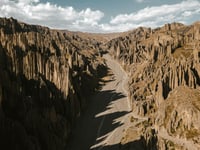
Explore the otherworldly landscape of Valle de la Luna, a natural park located just outside the city. Erosion has sculpted the sandstone and clay formations into a surreal maze of spires and craters, reminiscent of a lunar surface. Visitors can follow marked trails (ranging from 15 to 45 minutes) to get up close to these geological wonders and capture unique photographs. Astronaut Neil Armstrong is said to have named it Moon Valley after his visit in 1969.
Cost: There is an entrance fee, which is generally nominal. Tours often include the entrance fee.
Transport: Located about 10-13 kilometers (6-8 miles) from central La Paz. A taxi ride costs approximately $7-9 USD (50-60 BOB) and takes about 13 minutes. Alternatively, take a local bus (known as a 'micro') heading towards Mallasa and ask to be dropped off at Valle de la Luna. Organized tours from La Paz typically include transportation.
4. Mirador Killi Killi
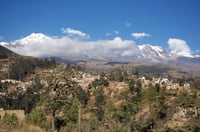
Ascend to Mirador Killi Killi, one of La Paz's most celebrated viewpoints. Perched on a hill, it offers nearly 360-degree panoramic views of the entire city, with the majestic Illimani mountain as a stunning backdrop. It's an ideal spot for photography, especially around sunset when the city lights begin to twinkle. The area also holds historical significance, having served as a strategic point during an indigenous siege in the 18th century.
Cost: Entry is typically free, despite occasional signs indicating a fee.
Transport: A 25-40 minute uphill walk from areas like Plaza San Francisco or Sopocachi. Taxis and local buses can also take visitors close to the top, making the climb less strenuous.
5. Basilica of San Francisco & Museum
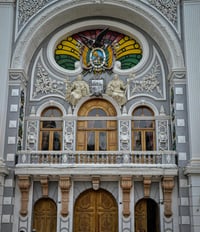
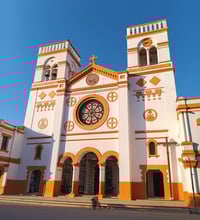
Visit the historic Basilica of San Francisco, a striking example of colonial architecture that blends European Baroque and indigenous Mestizo styles. The church, originally built in 1548 and reconstructed in the 18th century, features intricate stone carvings depicting native flora and fauna. Explore its opulent interior, and consider taking a tour to access the adjacent convent and museum, where religious art and artifacts are displayed. Climbing the church tower offers unique views of Plaza San Francisco and the bustling city center.
Cost: Entrance to the church itself for worship is free. A nominal admission fee (around 20 BOB or $3 USD) is charged for the museum and a guided tour, which includes access to the cloisters and bell tower.
Transport: Located in Plaza San Francisco in the city center, it is easily reachable on foot from many central accommodations and is a common landmark for public transport.
6. Calle Jaén
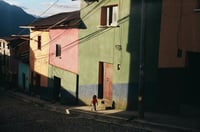
Stroll along Calle Jaén, a charming and well-preserved colonial street renowned for its colorful facades and cobblestones. This pedestrian-friendly avenue is considered one of the best-preserved colonial streets in La Paz and houses several small museums, offering insights into Bolivian history, culture, and art. It provides a quiet, picturesque escape from the city's usual bustle.
Cost: Free to explore. Individual museums may have small entrance fees.
Transport: Calle Jaén is located in the city center, a short walk from Plaza Murillo and the Basilica of San Francisco. It is easily accessible on foot.
7. El Alto Market
Immerse yourself in the vast El Alto Market, one of South America's largest open-air markets, which comes alive on Thursdays and Sundays. This sprawling market offers an authentic local experience, selling everything imaginable from clothing and electronics to traditional Andean crafts and a wide variety of goods. It is a sensory journey that provides a deep dive into local life and culture.
Cost: Free to enter and browse. Prices for goods vary widely; bargaining is common.
Transport: Best accessed via the Mi Teleférico cable car system, particularly the Red or Purple lines, which terminate in El Alto. This offers an excellent view of the market's expanse as you approach.
8. Cycling the Death Road (North Yungas Road)
For thrill-seekers, cycling down the infamous 'Death Road' (North Yungas Road) is an unforgettable adventure. This winding, narrow road, once considered the most dangerous in the world, descends from the high Andes to the Amazon basin, offering spectacular scenery and an exhilarating downhill ride. It is a full-day excursion typically done with organized tour groups for safety.
Cost: Tour costs generally range from $60-80 USD (approximately 400-560 BOB), including equipment, guide, and transport.
Transport: Requires booking a tour from La Paz, which includes round-trip transportation to the starting point of the ride.
At TFA Travel we believe in travel for all. Our mission is to enable people to explore the world as easily as possible without having to pay a travel agent a huge commission.
Our typical audience are those that want to see something new and get involved with authentic experiences of a country. Whether you are a backpacker, solo traveller, solo female traveller, straight or LGBTQ+ couple, family, you will find local and authentic experiences here.