Ohakune (Tongariro National Park area)

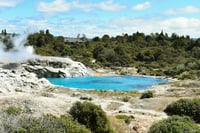
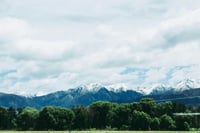
Landscape in Tongariro National Park in Manawatu-Wanganui Region, North Island of New Zealand
Krzysztof Golik, Wikimedia Commons

Ohakune serves as an active hub at the base of Mount Ruapehu, offering year-round adventures within the Tongariro National Park area. Visitors come for diverse outdoor activities, including skiing and snowboarding on the Turoa ski fields in winter, and extensive hiking, mountain biking, and canoeing trails during other seasons.

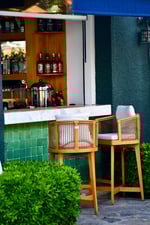
The town provides several opportunities for visitors to socialize. The "Junction" part of Ohakune is known for its range of eateries and bars, some of which feature live events. During winter, Ohakune is recognized for its lively après-ski atmosphere.

Top 5 Things to do in Ohakune (Tongariro National Park area)

Ohakune provides a range of outdoor experiences, from challenging alpine hikes and thrilling snow sports to scenic cycling trails and tranquil river journeys.

1. Hike the Tongariro Alpine Crossing

Embarking on the Tongariro Alpine Crossing is a truly iconic New Zealand experience, traversing dramatic volcanic landscapes. This full-day hike offers breathtaking views of vibrant emerald and blue lakes, steam vents, and vast craters. The challenging 19.4 km trail requires a good level of fitness and preparation for changeable alpine weather, even in summer. It is essential to carry sufficient water and wear appropriate gear. For a safer winter experience, hiring a qualified guide is highly recommended. Bookings for the track are mandatory during the summer season (October-April), and international visitors will incur a fee from late 2027 to support conservation efforts.

Cost: The hike itself is free for New Zealand citizens and permanent residents. International visitors will pay NZ$20-NZ$40 from late 2027. Shuttle transport is an additional cost, typically around NZ$60 per person for a return service from Ohakune to the track ends. Guided group walks start from approximately US$220 for a half-day and can be upwards of US$800 for a private full-day experience.

Transport: As the Tongariro Alpine Crossing is a one-way track, a shuttle service is essential. Numerous licensed operators in Ohakune provide return transport to the start (Mangatepopo car park) and pick-up from the end (Ketetahi car park). Parking at Ketetahi car park with an included shuttle to the start is also an option, costing around NZ$60 per person. It is advisable to book shuttles in advance.


2. Ski or Snowboard at Turoa Ski Area

During the winter months, one can hit the slopes of Turoa Ski Area on Mount Ruapehu, which offers a vast 500 hectares of rideable terrain and New Zealand's longest vertical descent. Turoa caters to all skill levels, from beginners learning on the Alpine Meadow's magic carpet to advanced riders tackling chutes, bowls, and black diamond runs. The views from the highest lifted point are panoramic and stunning. For those not keen on skiing, a scenic chairlift ride provides spectacular alpine vistas, or one can enjoy sledding in designated areas.

Cost: Day passes typically range from NZ$79 to NZ$159. A sightseeing pass costs around NZ$35, and a sledding pass is also NZ$35. Sled rentals are available for approximately NZ$10 per day.

Transport: Turoa Ski Area is a 20-25 minute drive up the 17km tar-sealed Ohakune Mountain Road from Ohakune. While free parking is available, it can fill up quickly on busy days. Shuttles from Ohakune, provided by local operators like Dempsey Buses, are a recommended and convenient alternative, especially when road restrictions (like chain requirements) are in place. These shuttles typically depart from Thames Street in Ohakune.

3. Cycle or Walk the Ohakune Old Coach Road

Experience a journey through New Zealand's rail heritage and native forest by cycling or walking the Ohakune Old Coach Road. This 15km multi-terrain trail was once used by horse-drawn carriages and is now part of the Mountains to Sea Cycle Trail. Along the route, one can discover historical railway relics, pass through tunnels, and cross impressive viaducts like the Hapuawhenua Viaduct, offering picturesque views. The trail is generally easier and more rewarding when ridden downhill from Horopito back to Ohakune, making it suitable for various fitness levels, though some sections can be challenging.

Cost: Access to the track is free. Bike hire costs vary depending on the operator and bike type (e.g., e-bike). Self-guided bike tours, including shuttle to Horopito and bike hire, are available from around US$115.

Transport: For cyclists, it is common to arrange a shuttle service from Ohakune to Horopito, the starting point of the downhill section, and then ride back to Ohakune. Numerous local bike operators in town offer bike hire along with shuttle drop-offs.

4. Canoe or Kayak on the Whanganui River

Discover the serene beauty and rich history of the Whanganui River, New Zealand's longest navigable waterway. Opting for a canoe or kayak trip allows one to immerse themselves in undisturbed native wilderness, passing Maori village sites and experiencing a unique 'Great Walk' that is actually a river journey. Operators in Ohakune provide the necessary equipment and guidance for multi-day excursions or shorter scenic safaris.

Cost: Costs vary significantly based on the duration (1-5 days) and whether it's a self-guided hire or a guided tour. Specific prices require direct inquiry with local canoe hire operators.

Transport: Canoe hire operators in Ohakune often include shuttle services to the river access points.

5. Explore Local Forest Walks

Ohakune provides easy access to several rewarding short walks that allow visitors to experience the lush native forests and unique volcanic features of the region. The Mangawhero Forest Walk meanders through magnificent podocarp forest, crossing the Mangawhero River and offering glimpses of a volcanic crater, while the Rimu Walk is a shorter, accessible loop. For stunning waterfall views, the Waitonga Falls track leads to the highest accessible waterfall in Tongariro National Park, and the Mangawhero Falls are a short five-minute walk with impressive rock formations, especially beautiful with icicles in winter. These walks are perfect for a gentle immersion in nature.

Cost: These walks are free to access.

Transport: The Mangawhero Forest Walk and Rimu Walk begin near the Department of Conservation Visitor Centre at the base of the Ohakune Mountain Road, easily accessible from Ohakune township. Waitonga Falls track starts near the 11km marker on the Ohakune Mountain Road, and Mangawhero Falls is close to the 13km marker, both requiring a short drive or taxi.

Check out our other pages on Ohakune (Tongariro National Park area)

Discover destinations in New Zealand