Bay of Fires

Bay of Fires, Tasmania, Australia
Diego Delso, Wikimedia Commons

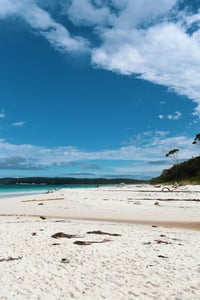
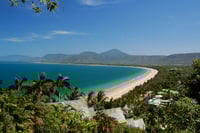
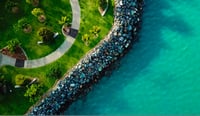
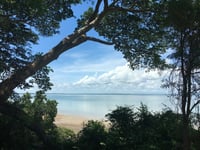
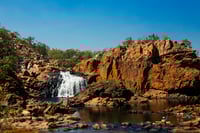
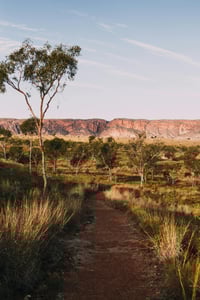
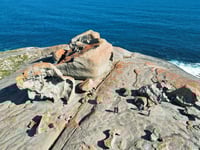
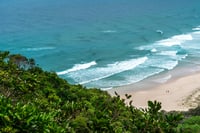
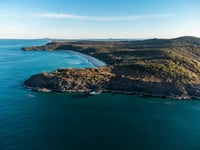
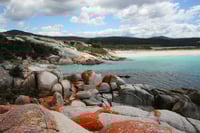
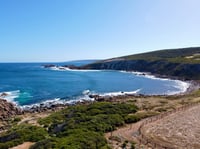
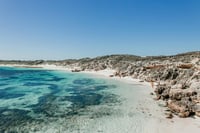
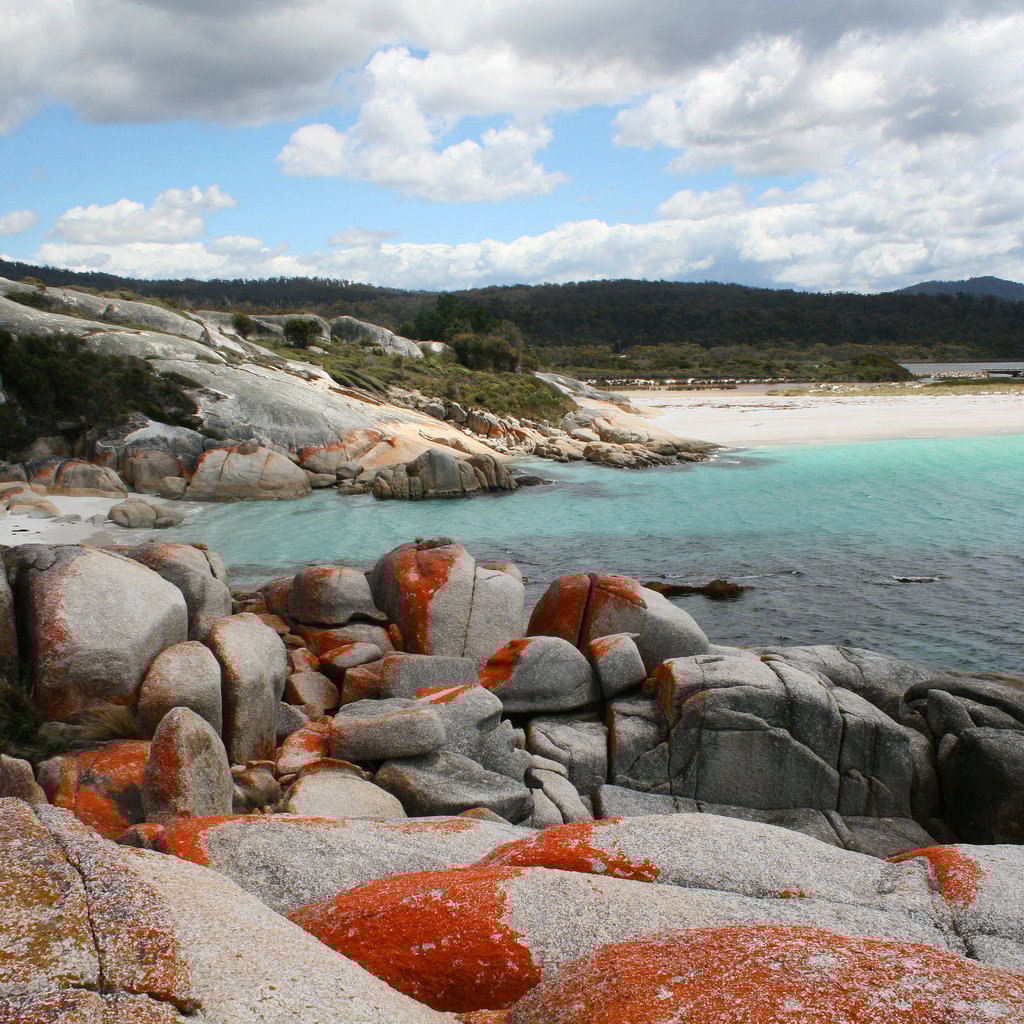
The Bay of Fires in Tasmania is a captivating coastal region renowned for its pristine white-sand beaches, crystal-clear turquoise waters, and striking granite boulders adorned with vibrant orange lichen. It offers a range of activities for those seeking natural beauty and outdoor engagement, from leisurely strolls along the shore to more active pursuits.

The Bay of Fires is primarily a destination for immersing oneself in nature, making it less of a bustling social hub. While there are numerous free and paid camping areas along the coast that can facilitate casual interactions, the atmosphere generally encourages quiet contemplation. Some eco-glamping options also provide shared amenities, subtly fostering a sense of community among guests seeking a tranquil escape.

Top 7 Things to do in Bay of Fires

The Bay of Fires offers an array of outdoor pursuits, from exploring its iconic beaches and vibrant marine life to engaging in invigorating walks and tasting local produce.

1. Explore the Beaches and Rock Formations

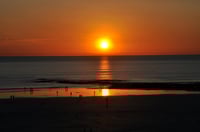
I have wandered the pristine white-sand beaches, discovering secluded coves and marvelling at the striking granite boulders adorned with fiery orange lichen. These expansive shores provide ample space for serene strolls and photography, particularly captivating during sunrise or sunset. The Gardens is a prime location to witness the dramatic contrast of the orange rocks against the turquoise water.

Cost: Free.

Transport: A car is essential to navigate the 50-kilometre coastline. Binalong Bay, often the starting point, is approximately a 10-minute drive from St Helens. Continuing north, The Gardens is about 13 kilometres further via the C848 road.


2. Snorkel and Dive in Clear Waters
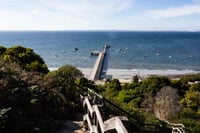
The crystal-clear waters of the Bay of Fires provide an excellent opportunity for underwater exploration. I have observed diverse marine life, including various fish and vibrant kelp forests, by snorkelling directly from the beaches. Seaton Cove is notably calm and transparent, offering sightings of giant smooth stingrays and beautiful underwater rock structures. Sloop Reef also provides excellent conditions for snorkelling.

Cost: Self-serve: Personal equipment. Guided tours: Costs vary by operator and duration.

Transport: Access to popular snorkelling spots like Seaton Cove and Sloop Reef requires a car, reachable from St Helens or Binalong Bay.

3. Kayak and Paddle Along the Coastline

Paddling a kayak offers a unique perspective of the Bay of Fires, allowing for an intimate experience with its iconic granite formations and hidden coves from the water level. Ansons Bay Lagoon stands out as an ideal, calm haven for kayaking. Both guided tours and independent exploration are possible for those with kayaking experience.

Cost: Self-serve: Kayak rental fees. Guided tours: Costs vary by provider; some multi-day guided walks include an optional kayaking day.

Transport: Kayaking locations such as Ansons Bay are accessible by car. Guided tours may include transfers.

4. Embark on Coastal and Bushland Walks

I have explored various walking tracks in the Bay of Fires, ranging from leisurely coastal strolls to more challenging multi-day hikes. The coastal trails provide breathtaking views of the white sands and orange rocks. A recommended shorter walk is the easy 2.4-kilometre path from Swimcart Beach to Sloop Reef, revealing hidden coves and lagoons. For a deeper immersion, the 4-day Bay of Fires Lodge Walk or the wukalina Walk, guided by the Palawa people, offer cultural insights and diverse landscapes, extending into Mount William National Park.

Cost: Self-guided walks: Free, though Mount William National Park may have fees for certain areas. Multi-day guided walks: Premium cost, covering accommodation, guides, and meals. A 5-day self-guided camping walk can be done for minimal campsite fees.

Transport: Walk trailheads, such as Swimcart Beach, are accessible by car. Multi-day guided tours often include transfers from Launceston.

5. Spot Diverse Wildlife

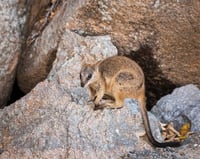
During visits, I have observed a variety of wildlife inhabiting the Bay of Fires. On land, wallabies, wombats, and pademelons can often be spotted, particularly during the quieter morning and evening hours. The heathlands are home to numerous bird species, including Yellow-tailed Black Cockatoos and White-bellied Sea Eagles. Along the coast, pods of dolphins and seals frequently swim close to shore, and migratory whales can be seen during their seasons.

Cost: Free (self-guided). Can be included as a feature of guided tours.

Transport: Wildlife viewing is possible throughout the Bay of Fires area, accessible by car.

6. Visit Eddystone Point Lighthouse

I have travelled to Eddystone Point, the northernmost extremity of the Bay of Fires, to see its distinctive 35-metre tall pink granite lighthouse. The location offers a profound sense of seclusion and provides sweeping views of the untouched coastline and the dramatic orange-hued rock formations.

Cost: Free.

Transport: Eddystone Point is about an hour's drive north from Binalong Bay by car and is located within Mount William National Park.

7. Savour Local Produce and Wine

Complementing the natural beauty, I have enjoyed Tasmania's fresh local produce, such as oysters from Lease 65. These are exceptionally large and juicy, perfect for a beach picnic. The region also offers opportunities for wine tasting at cellar doors, such as those near Mt Pearson Reserve, providing a taste of the East Coast's viticulture.

Cost: Varies depending on purchases.

Transport: Lease 65 is situated just outside St Helens on the route to Binalong Bay. Mt Pearson Reserve is inland, both requiring car access.

Discover destinations in Australia