Staying Safe in Australia
Local Laws
When you're planning a trip to Australia, it's a good idea to get familiar with the local laws and what's considered customary there. Just so you know, everyone who isn't an Australian or New Zealand citizen will need a visa to enter the country.
Australia has some pretty strict rules when it comes to customs and biosecurity, so be aware that certain items are a no-go, like drugs, steroids, weapons, and firearms. You'll also need to declare any food, plants, or animal products you bring with you.
Just a heads-up, the penalties for possessing, using, or dealing drugs are quite serious.
Driving rules can differ depending on which state or territory you're in, but a big one everywhere is the strict ban on using a mobile phone held in your hand while you're behind the wheel. You'll also find that random breath testing for alcohol is quite common.
When it comes to taking photos, there are some places you're not allowed to photograph, such as airports, prisons, and military bases. It's also really important to be respectful of local customs; always ask for permission before taking pictures of Indigenous sacred sites or people.
Laws around drinking alcohol also vary by state and territory, and in some places, there are restrictions on drinking in public. While people have the right to peaceful protests, it’s generally best to steer clear of areas where demonstrations or rallies are happening, as they can sometimes become a bit unpredictable.
LGBTQ+ Travellers
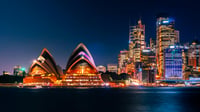
Australia is widely considered a safe and welcoming destination for LGBTQ+ travelers. The country has strong legal protections, including federal laws prohibiting discrimination based on sexual orientation, gender identity, and intersex status, and same-sex marriage has been legal nationwide since 2017. Major cities like Sydney and Melbourne are particularly known for their vibrant LGBTQ+ communities and inclusive atmosphere, with many gay-friendly venues and events.
While attitudes are generally very supportive across the country, travelers may find less progressive views in some remote and regional areas compared to the larger urban centers.
Scams
When visiting Australia, it's a good idea to keep an eye out for a few common scams. You might come across fake websites offering tempting deals on hotels, tours, or flights – these are often online booking scams. To stay safe, it's best to book directly through well-known and reliable platforms and always double-check the website address.
Be cautious of people who seem overly friendly, especially near ATMs. Some might pretend to help you, but their real intention could be to skim your card details. You might also encounter individuals posing as police officers who demand identification and try to fine you on the spot.
Another thing to watch out for is taxi drivers or vendors who might try to overcharge you, especially for goods or services. There's also a photography scam where someone might ask you to take their picture, and then claim you've somehow broken their camera.
To steer clear of these issues, always buy tickets from official sellers and confirm your bookings directly with the companies you're using. It's also wise to be careful when using public Wi-Fi for any important transactions.
If an offer seems too good to be true, or even suspiciously expensive, it's probably best to avoid it. Always make sure you get a receipt if you're paying with cash. And when you're at an ATM, never leave your card unattended, and don't accept help from strangers at the machine.
Crime
Australia is a pretty safe place to visit, with crime rates generally being quite low. However, it's always a good idea to be a bit cautious, especially if you're in one of the bigger cities. You'll most likely encounter petty theft, like pickpocketing or bags being snatched, particularly in busy tourist spots or crowded areas. It's also possible for cars to be broken into or for homes to be burgled.
While serious violent crime is uncommon, you might hear about assaults, sometimes linked to alcohol, especially in the nightlife areas of major cities. Be aware that drink spiking can also be a risk in bars and clubs.
To help keep yourself and your belongings safe, it's best to secure anything valuable, including your passport, ideally in your hotel's safe. Never leave your bags or luggage unattended, and try to keep anything of value out of sight if it's in your car.
When you're out and about at night, stay aware of what's happening around you, stick to well-lit streets, and it might be wise to be mindful of how much alcohol you're drinking. It's also a good rule of thumb not to accept drinks from people you don't know.