Staying Safe in Wales
Local Laws
When visiting Wales, you'll find that while some laws are unique to the country thanks to its own parliament, the rules that typically affect tourists – think things like crime, immigration, and traffic – are pretty much the same as in England.
One important thing to know is that physically punishing children is against the law in Wales.
Punctuality is a big deal here, so make sure you're on time for any appointments or social events you have planned. When you meet people, a friendly smile and a handshake are the usual way to go, and it's common to use first names right away. It's also considered polite not to interrupt when someone else is talking, and definitely avoid raising your voice in anger.
You'll find that English is spoken everywhere, especially in the cities. However, Welsh is an official language, and you'll see bilingual signs quite often. It's really important to show respect for the Welsh language; it means a lot to the people of Wales. Also, please don't refer to Welsh people as 'English' – that's simply not correct and can be a bit irritating.
LGBTQ+ Travellers
Wales offers a progressive legal landscape for LGBTQ+ travelers, with strong protections against discrimination based on sexual orientation and gender identity under the Equality Act 2010. Same-sex marriage has been legal since 2014, reflecting a broader societal acceptance that has evolved positively over time. The Welsh Government is also actively committed to creating a safe haven for LGBTQ+ individuals, implementing an Action Plan to strengthen rights and provide support.
However, despite these legislative and governmental efforts, some LGBTQ+ individuals, particularly trans people, regrettably still report experiencing hate crimes and discrimination, impacting their sense of security in public spaces. Therefore, while the legal framework is welcoming, a nuanced social experience means awareness of ongoing challenges is important for visitors.
Scams
When you're planning a trip, it's good to know about some common online tricks that might catch you out. You'll often see ads for cheap airline tickets or holiday places on social media, especially on sites like Facebook, but be careful, as some of these are scams. You might also get dodgy emails, phone calls, or text messages trying to get your personal information – these are known as phishing, vishing, and smishing.
Here in the UK, there are a few other things to watch out for too. You might encounter pickpockets who try to block your way, especially near exits, or thieves on mopeds who grab your belongings. Some scams involve distraction, where one person distracts you while another takes your things.
Also, be wary of anyone selling tickets for attractions, as they might not be genuine. It's also wise to be suspicious of strangers offering you something for free, only to ask for money afterwards. Sadly, there have also been instances where people pretend to be police officers, asking to see your passport, visa, or wallet, and then they might steal your cash or swap your documents.
Crime
Generally speaking, Wales is a very safe place to be. However, like most countries, you'll find higher crime rates in larger cities such as Cardiff and Swansea. This is pretty standard for places with more people and a wider range of economic activity. In September 2024, the crime rate across Wales was about 83 incidents for every 1,000 people. The most frequently reported issues were violent and sexual offenses.
If you're visiting tourist spots, you might encounter petty crime like pickpocketing or phone snatching. This is more likely to happen in places like hotels, pubs, restaurants, on public transport, and at airports, especially during the busy summer months. You should also be aware that theft from vehicles can happen.
In Cardiff, some specific areas, like St. Mary's Street and Greyfriars Road, can get a bit rowdy, particularly on weekends or when there are big sporting events. It's also advisable to be cautious and avoid certain parts of Cardiff after dark. These include areas like Ely, St. Mellons, Butetown, Gabalfa/Mynachdy, Llanedeyrn, Llanrumney, Chippy Lane (Caroline Street), Splott, Bute Park, and Riverside.
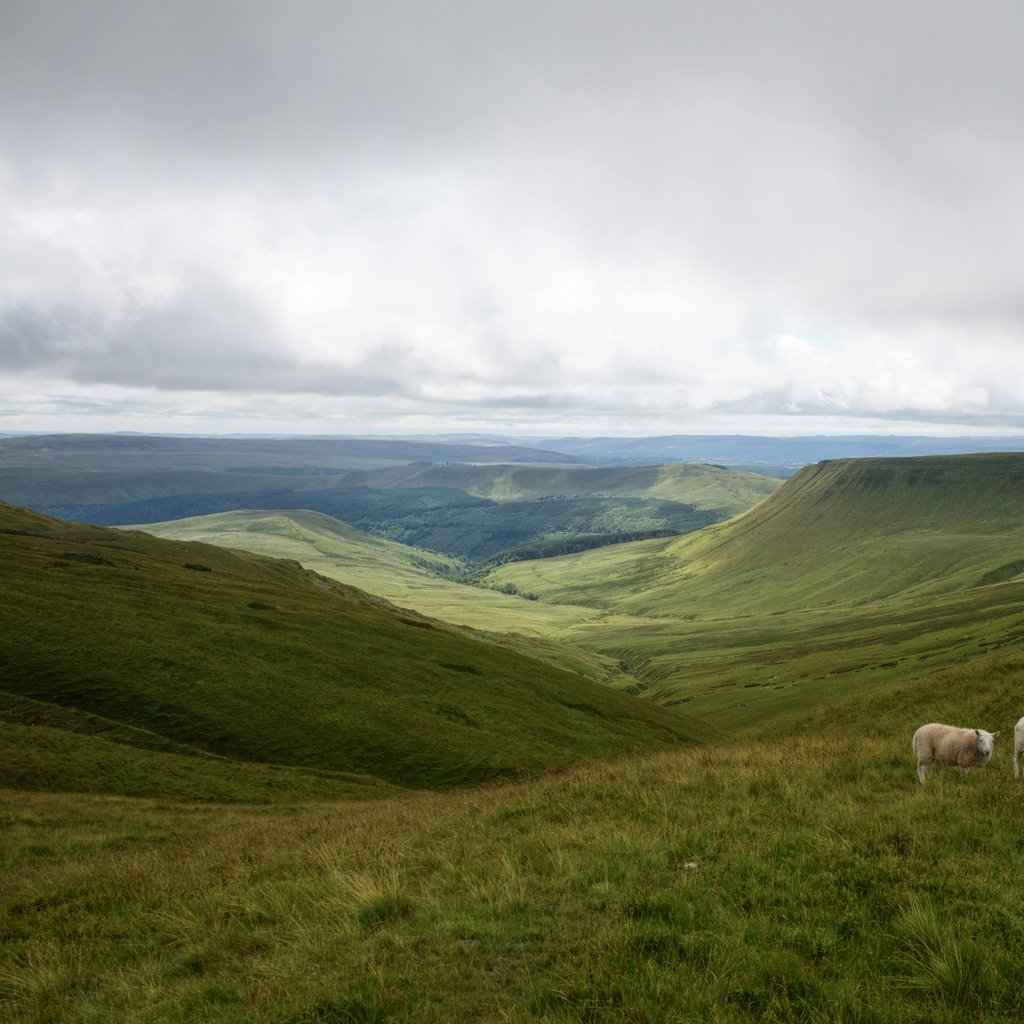
Out in the countryside, crime is much less common. However, when it does occur, it tends to involve things like burglaries, theft of farm equipment, issues related to livestock, illegal dumping of waste, and crimes against wildlife.