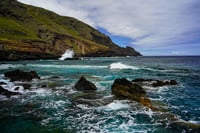
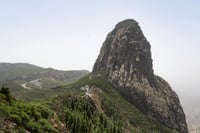
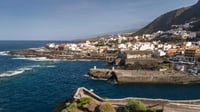
El Hierro, the smallest and westernmost of the Canary Islands, offers a tranquil escape into an unspoiled, sustainable landscape. This UNESCO Biosphere Reserve and Geopark boasts dramatic volcanic terrain, lush cloud forests, and exceptional marine biodiversity for diving.
The island's social scene is relaxed, focusing on local interactions within its charming villages. La Restinga, a key diving hub, provides opportunities to connect with fellow travelers and locals at its cozy bars and restaurants along a quiet promenade.
Top 5 Things to do in El Hierro
The island offers a captivating blend of underwater exploration, invigorating hikes through diverse landscapes, refreshing dips in natural volcanic pools, and scenic appreciation from its many viewpoints, complemented by authentic gastronomic discoveries.
1. Diving in the La Restinga Marine Reserve
One can experience the vibrant underwater world of El Hierro by diving in the Mar de las Calmas Marine Reserve off La Restinga. This protected area reveals dramatic volcanic formations, including caves and submerged cliffs, teeming with diverse marine life such as manta rays, dolphins, turtles, and a multitude of colorful fish species. It is an unparalleled opportunity to connect with nature's hidden depths.
Cost: An introductory 'diving baptism' typically costs between €65 and €80 per person. For certified divers, a single boat dive starts around €55-€65, excluding equipment rental. Multi-day packages and PADI certification courses are also available, with a 4-day PADI Open Water Diver course costing approximately €420-€460.
Transport: La Restinga is located on the southern tip of the island. One can take the Transhierro bus (Line 8) from El Pinar, or a taxi. A taxi from El Hierro Airport to La Restinga can take around 50 minutes and typically costs more due to the distance.
2. Exploring El Hierro's Natural Pools
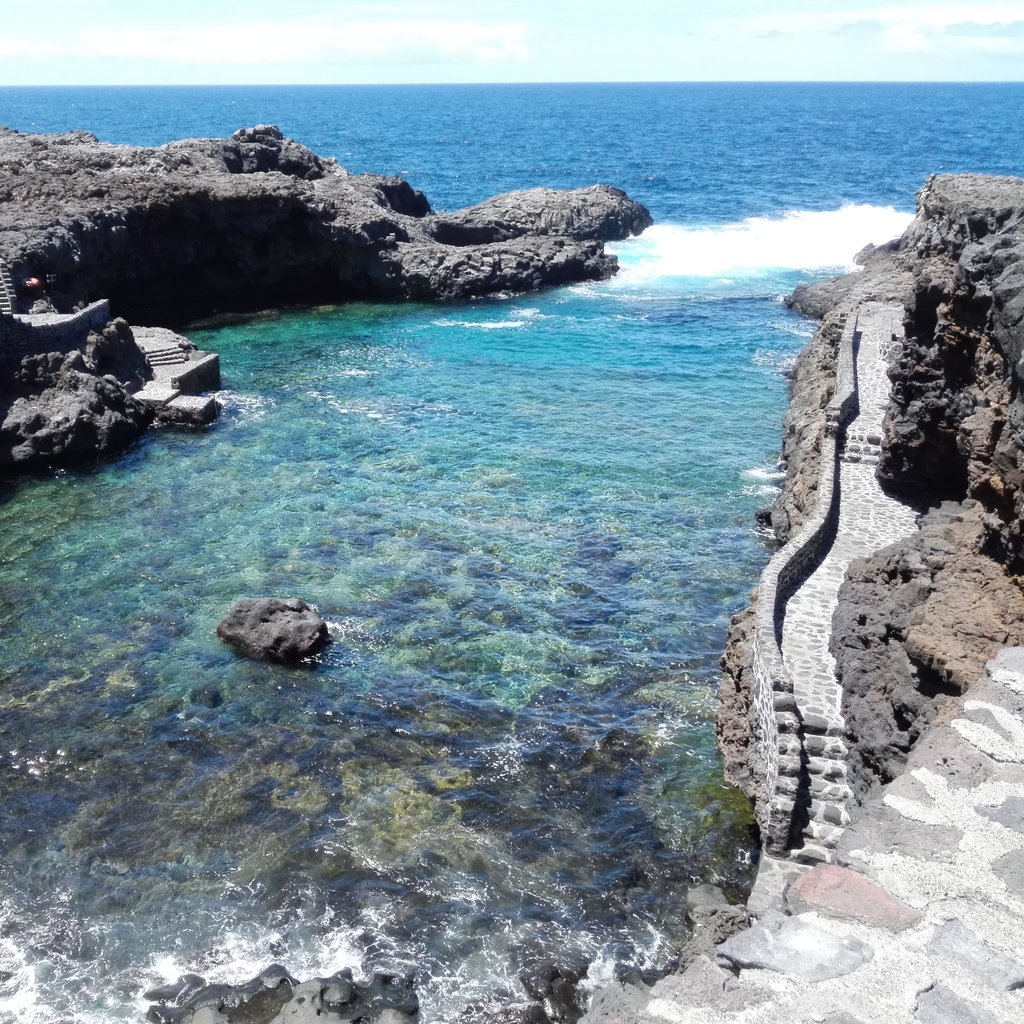
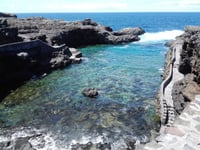
Discovering El Hierro's unique natural pools, or 'charcos', offers a refreshing way to enjoy the volcanic coastline. These natural rock formations create stunning, clear lagoons perfect for swimming and relaxation. Notable spots include Charco Azul with its impressive blue waters, the multi-tiered pools of La Maceta, and Pozo de las Calcosas, which is uniquely situated alongside a traditional village of straw-roofed houses. Spending time here allows for a peaceful immersion in the island's distinctive coastal beauty.
Cost: Access to the natural pools is generally free of charge.
Transport: Many natural pools, such as Charco Azul, La Maceta, and Charco Manso, are best reached by car. Pozo de las Calcosas can be accessed by Transhierro Bus Line 09 from Valverde via Echedo, with the journey taking approximately 20 minutes and costing around €1.35. A taxi from Valverde to Pozo de las Calcosas would cost approximately €25 for a 30-minute journey.
3. Hiking the Island's Extensive Trails
Embark on a hike through El Hierro's diverse landscapes, which boast over 270 km of trails. Options range from the ethereal cloud forests of La Llanía, offering a mystical atmosphere, to the dramatic coastal paths and the unique, wind-sculpted juniper trees of El Sabinar. The Camino de Jinama provides rewarding panoramic views of the El Golfo valley. These trails offer an intimate way to experience the island's natural grandeur and rich geological history.
Cost: Hiking independently is free. For those preferring guided experiences or luggage transfers, self-guided hiking packages for 5-6 days can range from approximately €517 to €825.
Transport: While a rental car offers the most flexibility for reaching trailheads, some popular routes are accessible by bus. For example, Transhierro bus line 5 connects Valverde to Mirador de Jinama, a common starting point for hikes, at a cost of €2 for a 16-minute ride.
4. Visiting Mirador de la Peña
A visit to Mirador de la Peña offers one of the most iconic viewpoints on El Hierro, providing breathtaking panoramic vistas of the vast El Golfo valley and the rugged coastline. Designed by the renowned Canarian artist César Manrique, the viewpoint also features a restaurant where one can enjoy local cuisine while admiring the dramatic scenery. It is a perfect spot for photography and quiet contemplation.
Cost: Access to the viewpoint is free. Dining at the restaurant would incur standard meal costs.
Transport: Mirador de la Peña is conveniently accessible via Transhierro bus Line 5 from Valverde, with a journey time of approximately 16 minutes and a fare of €2. A taxi from Valverde would cost between €25 and €31 and take about 10 minutes.
5. Savoring Local Gastronomy at a Bimbachinche
Indulging in El Hierro's local gastronomy is a key part of the island experience. One can seek out a 'bimbachinche', traditional local eateries, to taste authentic island flavors. The cuisine is characterized by fresh, locally sourced ingredients, including exquisite seafood, artisanal cheeses, 'patatas arrugadas' (wrinkled potatoes) served with 'mojo' sauce, and the unique aniseed-infused 'quesadilla' (a sweet cheese cake). This culinary journey offers insight into the island's rural heritage and a delightful sensory experience.
Cost: Meal costs vary by establishment, but local restaurants offer authentic dishes at reasonable prices.
Transport: Local restaurants and 'bimbachinches' are found in various towns and villages across the island, such as La Frontera, La Restinga, and Valverde. These locations are generally served by the Transhierro bus network, making them accessible via public transport.
At TFA Travel we believe in travel for all. Our mission is to enable people to explore the world as easily as possible without having to pay a travel agent a huge commission.
Our typical audience are those that want to see something new and get involved with authentic experiences of a country. Whether you are a backpacker, solo traveller, solo female traveller, straight or LGBTQ+ couple, family, you will find local and authentic experiences here.