Staying Safe in Scotland

Local Laws
In Scotland, you need to be 18 to legally purchase alcohol and tobacco. When it comes to smoking, it's not allowed in public places that are mostly or entirely indoors, which covers most public transport but not private cars. While drinking alcohol in public isn't generally against the law, you'll find that many places, particularly in town centers and residential areas, have specific zones where alcohol consumption is forbidden.
If you plan to visit churches or other sacred sites, it's a good idea to dress respectfully by covering your shoulders and knees, and to keep your voice down.
Just like the rest of the UK, people drive on the left side of the road in Scotland. Be aware that rural roads can be quite narrow and twisty. You'll often see diamond-shaped white signs indicating 'passing places' – these are there for you to pull into and let oncoming traffic go by.
Police Scotland recommends avoiding driving in icy or snowy conditions unless it's absolutely necessary.
Scotland has a lower legal blood alcohol limit for drivers than other parts of the UK, set at around 0.05. This means even a single drink could put you over the limit and result in a DUI charge, so it's best to steer clear of alcohol altogether if you're going to be driving.
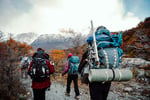
If you're thinking about camping or traveling in a motorhome, please be mindful of the local wildlife and natural environment. It's also wise to avoid bringing up the topic of religion in conversations, as sectarianism can still be a sensitive issue in some parts of the country.
For urgent situations, you can dial 999 (or 112) to reach emergency services like the ambulance, fire brigade, police, mountain rescue, or coast guard. If it's not an emergency, you can contact the police by dialing 101.
LGBTQ+ Travellers
Scotland is widely recognized as a safe and welcoming destination for LGBTQ+ travelers, with some of the most progressive laws in Europe for LGBTQ+ rights. Same-sex sexual activity has been legal since 1981, civil partnerships since 2005, and same-sex marriage since 2014. The country also has comprehensive anti-discrimination laws covering sexual orientation and gender identity, including protection against hate crimes.
While urban areas like Edinburgh and Glasgow offer visible LGBTQ+ scenes, travelers may experience varying social attitudes, with some isolated incidents of prejudice, particularly in more rural areas.
Scams
When visiting Scotland, it's wise to be aware of a few common scams that tourists sometimes fall victim to. In places like Edinburgh, you might come across fake event tickets, especially if you buy them online – you could end up with nothing or a fake. It's always safest to buy directly from the event organizer or at official ticket booths.
There's also something called the 'gold ring scam.' Someone might pretend to have found a gold ring on the ground and offer it to you, but it's usually worthless. If you take it, they might then ask you for money, or an accomplice could try to steal from you.
Watch out for 'fake police' too. These individuals will pretend to be officers and ask to check your belongings as part of a 'routine check.' Often, an accomplice, perhaps disguised as another tourist, will distract you. If this happens, always ask for their identification and offer to call the police station yourself to confirm they are legitimate.
Be cautious of tour operators offering deals that seem too good to be true. Avoid paying with cash or through money transfers; stick to well-known and reputable tourism websites for bookings.
Distraction scams are quite common. Someone might strike up a conversation with you, keeping you engaged, while an accomplice tries to pickpocket you.
Another trick is the 'picture scam.' A local might ask you to take their photo, then deliberately drop their camera and blame you for the damage, demanding payment.
You might also encounter the 'bird poop scam.' Someone will throw a white substance on you, and then a 'helpful' local will offer to clean it off, using the opportunity to pickpocket you.
Street performers sometimes run 'guessing game' scams, like the shell game. They manipulate the game so that bystanders are enticed to play and inevitably lose their money.
Finally, be careful if someone invites you for a drink at a nearby bar. The prices there are often inflated, and you might find yourself pressured to pay a very large bill. Always ask for a menu with prices when you arrive.
Crime
Scotland is a pretty safe place to visit, with crime rates generally being low and having gone down over the last ten years. While serious crimes against tourists are uncommon, they can happen in some city centers, usually between local groups. The most frequent problems tourists encounter are minor offenses like pickpocketing and theft, especially in busy spots and big cities like Edinburgh and Glasgow.
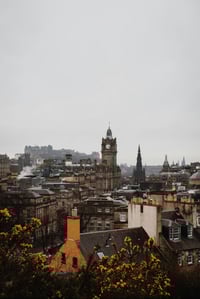
In Edinburgh, you'll want to be particularly careful in areas like the Old Town, around Edinburgh Castle, along the Royal Mile, during the Royal Edinburgh Military Tattoo, in Princes Street Gardens, near St Giles' Cathedral, at Edinburgh Zoo, and during Edinburgh International Events. In Glasgow, keep an eye out for pickpockets on Buchanan Street and at the Barras Weekend Market. There have also been reports of phones being stolen from crowded tourist areas.
Car theft and theft from parked cars can also be an issue in places where tourists frequent, including roadside stops. To help prevent yourself from becoming a target, it's a good idea not to carry a lot of cash or anything valuable you don't need. Try not to flash signs of wealth either.
It’s best to keep your passport secure in your hotel safe and carry a copy with you instead. Always be mindful of what's going on around you, particularly in crowded tourist locations and when using public transport. If you're traveling with others, consider dividing your money among the group.
When it comes to walking around, it’s advisable to avoid quiet or dark areas by yourself at night. Stick to well-lit, busy public spaces, especially in the major cities.
There are a few specific areas that are best avoided altogether, at any time of day, due to issues related to gangs. These include the Possil and Springburn areas in Glasgow, and the red-light district in Edinburgh, which runs between Salamander Street and Leith Links. In Edinburgh, The Meadows should also be avoided if you're alone at night.