1. Explore the Old Town and Royal Castle
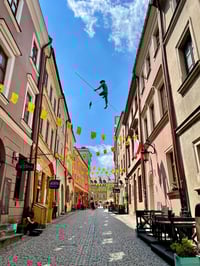
Walking through Warsaw's Old Town is a journey through history, with its meticulously rebuilt cobblestone streets and colorful market square. Discovering the Royal Castle allows one to step into the past, exploring the former residence of Polish monarchs. It is a powerful testament to the city's restoration following extensive wartime destruction. Take your time wandering through the castle's grand rooms and state apartments to appreciate the art and architecture. The Old Town Market Square, with its mermaid statue, offers a pleasant spot to relax and observe daily life.
Cost: Exploring the Old Town is free. Admission to the Royal Castle varies by exhibition: 'The Royal Route' is approximately 50 PLN (standard), 'The Gallery of Masterpieces' is around 40 PLN, and 'The Tin-Roofed Palace' is about 30 PLN. Free admission to the Royal Castle is available on Wednesdays. Self-guided exploration is common, or you can join a guided walking tour of the Old Town (costs vary by provider).
Transport: The Old Town is centrally located and easily walkable from many city hotels. Public buses also serve Plac Zamkowy and Stare Miasto stops. A 75-minute public transport ticket costs 4.40 PLN, and a 24-hour ticket for Zone 1 is 15 PLN.
2. Visit the Warsaw Rising Museum
Visiting the Warsaw Rising Museum provides a profoundly moving and immersive experience into the 1944 Warsaw Uprising, a pivotal moment in Polish history. The museum vividly recounts the 63-day struggle against Nazi occupation, highlighting the courage and sacrifices of the Polish resistance and civilian population. It is designed to engage visitors with a powerful narrative through interactive exhibits, personal accounts, and artifacts, offering deep insight into this challenging period.
Cost: A normal admission ticket is approximately 35 PLN, with reduced tickets at 30 PLN. Free admission is available on Thursdays. Audio guides can be hired for 13 PLN or accessed via a smartphone for 10 PLN.
Transport: The museum is well-connected by public transport. Take bus lines 102, 105, or 190 to 'Muzeum Powstania Warszawskiego' stop, tram lines 1, 11, 22, or 24 to 'Muzeum Powstania Warszawskiego' stop, or Metro Line M2 to 'Rondo Daszyńskiego' station, which is about a 4-minute walk away.
3. Explore POLIN Museum of the History of Polish Jews
The POLIN Museum offers a comprehensive and emotionally resonant journey through a thousand years of Jewish history in Poland. Situated on the site of the former Warsaw Ghetto, its interactive and multimedia exhibitions tell the story of the Jewish community's contributions to Polish culture, economy, and science, as well as the impact of the Holocaust and the subsequent revival of Jewish culture. It is a world-class institution that thoughtfully presents a rich and complex heritage.
Cost: A regular ticket is 45 PLN, with reduced tickets at 35 PLN. Children aged 7 or younger enter free, and students (7-26 with valid ID) pay 1 PLN. Thursdays offer free admission. Audio guides are available in multiple languages.
Transport: The museum is located in the Muranów district. From the city center, it can be reached via public transport. Take tram lines 15, 18, 35 to 'Muranowska' stop or bus lines 116, 178, 503 to 'Nalewki Muzeum' stop. A 75-minute public transport ticket costs 4.40 PLN.
4. Relax at Łazienki Park (Royal Baths Park)
Spending time in Łazienki Park offers a tranquil escape within the city. This expansive park is home to stunning palaces, classical pavilions, and beautiful gardens. Walking the grounds, one can admire the Palace on the Isle, the Old Orangery, and the impressive Chopin Monument. It is a perfect place for a leisurely stroll, to enjoy nature, and to soak in the cultural heritage of Poland's royal past.
Cost: Entrance to Łazienki Park is free. Some specific attractions or temporary exhibitions within the park may have separate admission fees.
Transport: Łazienki Park is accessible by numerous bus lines. Buses such as 116, 180, 195, and 222 stop near the park entrances. A 75-minute public transport ticket costs 4.40 PLN.
5. Ascend the Palace of Culture and Science Observation Deck
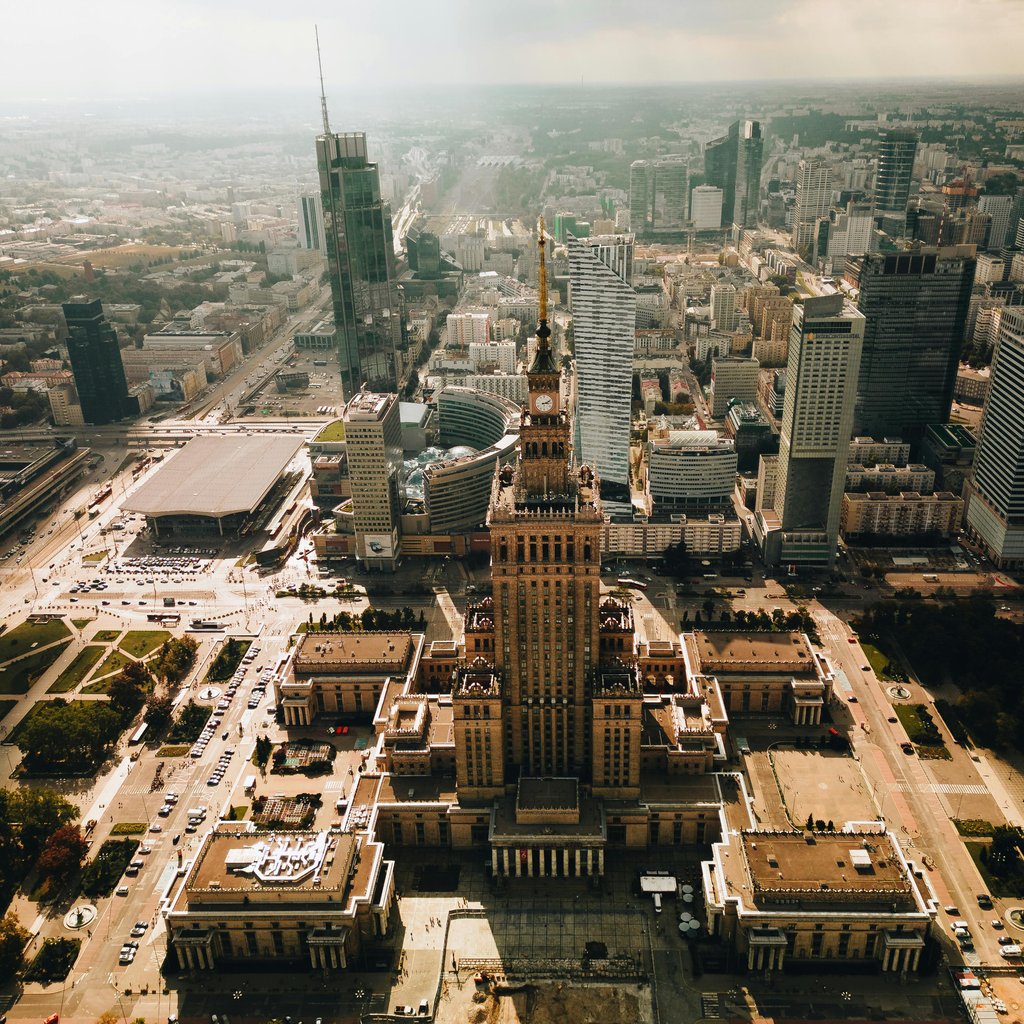
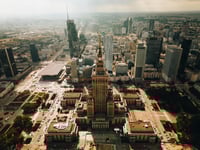
Standing on the 30th-floor observation deck of the Palace of Culture and Science offers unparalleled panoramic views of Warsaw. From 114 meters high, you can see the city's blend of historic architecture and modern skyscrapers stretching out before you. This iconic 'gift from Stalin' provides a unique perspective on Warsaw's urban landscape and its post-war development, despite its controversial history.
Cost: A regular ticket for the viewing terrace is 28 PLN, with reduced tickets at 23 PLN. Night tickets (when available) are 35 PLN. It is possible to purchase tickets online.
Transport: The Palace of Culture and Science is centrally located, directly opposite the 'Centrum' Metro station (M1 line) and near 'Świętokrzyska' Metro station (M1 and M2 lines). Numerous bus and tram lines also serve the area. A 20-minute public transport ticket costs 3.40 PLN.
6. Stroll along the Vistula River Boulevards
The revitalized Vistula River Boulevards offer a modern and vibrant riverside experience. Walking along the promenade, especially during warmer months, reveals a lively atmosphere with cafes, bars, food trucks, and green spaces. It's an excellent place for a relaxed stroll, cycling, or simply enjoying the views of the river and the contrasting wild right bank. Occasional cultural events and fountain shows add to the dynamic environment.
Cost: Free to access. Costs for food and drinks at the numerous establishments along the boulevards vary. Recreational activities like boat rides or rentals would incur additional costs.
Transport: The boulevards are easily accessible. The 'Centrum Nauki Kopernik' Metro station (M2 line) places you directly on the boulevards. It is also a pleasant 20-minute walk from the Royal Route. A 20-minute public transport ticket costs 3.40 PLN.
7. Indulge in a Traditional Polish Food Tour
Joining a traditional Polish food tour is a delightful way to explore Warsaw's culinary scene. These tours typically guide you through local eateries, markets, and sometimes even hidden gems, allowing you to sample a variety of authentic Polish dishes, from pierogi and kielbasa to soups and local pastries. It's a fantastic opportunity to learn about Polish gastronomy, history, and culture directly from a local guide. Prepare to eat plenty, as these tours often serve enough food to substitute for a meal.
Cost: Food tours typically cost between 385 PLN (approximately $88.98 - 79€) per person, including multiple tastings and sometimes drinks like Polish beer or vodka. Prices vary based on the tour provider and inclusions.
Transport: Food tours are usually walking tours, often starting in central locations like the Old Town or Śródmieście. Specific meeting points vary by tour operator. Public transport can be used to reach the starting point; a 20-minute ticket costs 3.40 PLN.