Cetinje

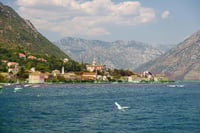
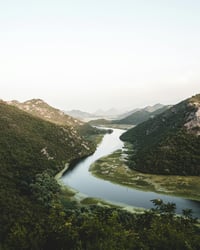
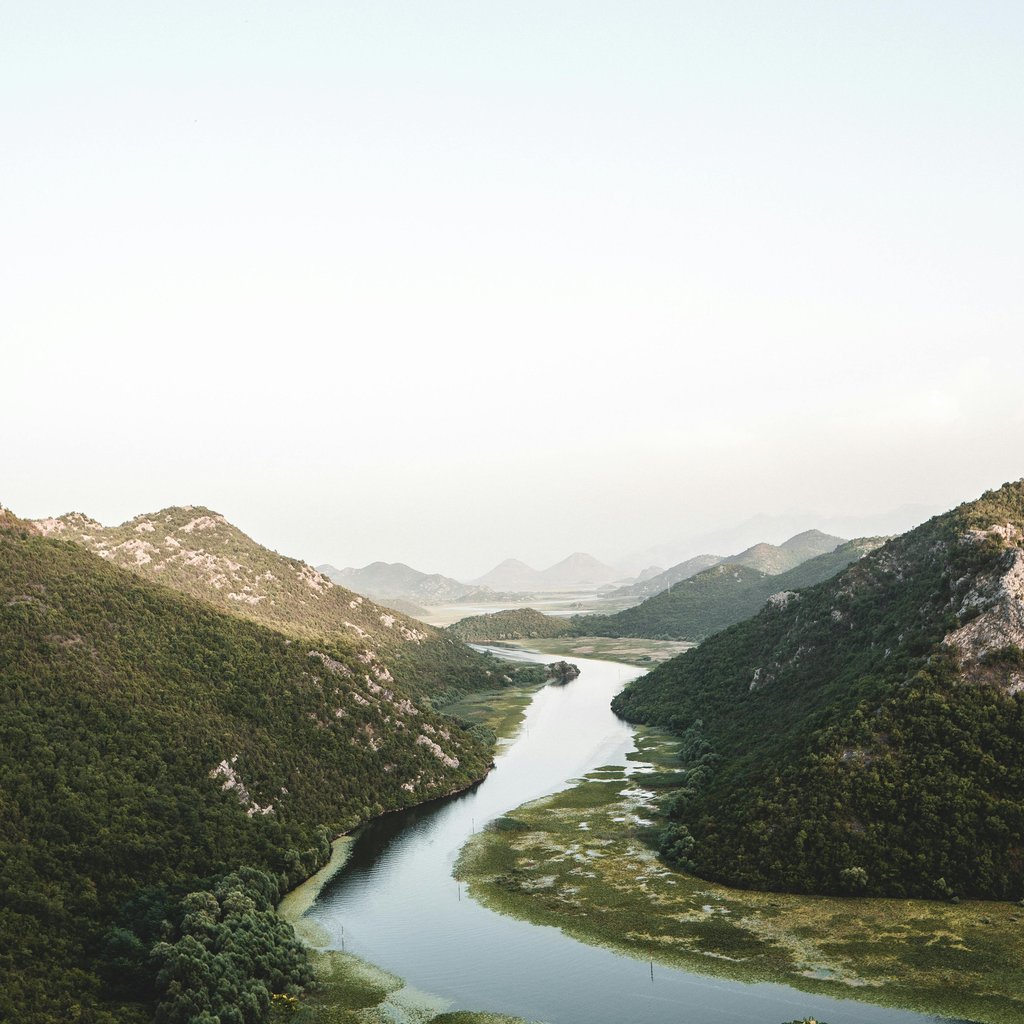
A scenic view of a winding river through lush mountains in Šinđon, Montenegro, ideal for nature lovers.
Artūras Kokorevas, Pexels

Cetinje, Montenegro, is a destination rich in history and culture, inviting visitors to delve into its past as the old royal capital through numerous museums, historical palaces, and significant monasteries. It also serves as a gateway to natural wonders such as Lovćen National Park and Lipa Cave.

While not a bustling party hub, Cetinje offers a relaxed atmosphere with various cozy cafes and bars located on its main square and pedestrianized streets, providing pleasant spots for socializing with locals and other tourists. The town also hosts an annual beer festival in July.

Top 5 Things to do in Cetinje

Exploring historical palaces and monasteries, delving into rich cultural collections, and venturing into captivating natural wonders are the primary activities.

1. Explore the National Museum of Montenegro Complex

The National Museum of Montenegro is a captivating collection of several distinct museums, all conveniently located within walking distance in the historic center. This complex allows visitors to journey through Montenegrin history, art, and ethnography. Key units include King Nikola's Museum, which was the residence of the last Montenegrin monarch, displaying royal artifacts and a significant library. The Njegoš Museum Biljarda, named after the billiard table of Prince-Bishop Petar II Petrović-Njegoš, offers insight into his life and a unique relief map of Montenegro. The History Museum, located in the former Government House, traces the nation's turbulent past, while the Art Museum showcases Montenegrin and international artists. The Ethnographic Museum provides a glimpse into traditional Montenegrin life through its collection of clothing, tools, and handicrafts. It is highly recommended to allocate several hours to fully appreciate these extensive collections.

Cost: A collective ticket for all museum units, including Njegoš's Mausoleum in Lovćen National Park, costs €20 for adults and €10 for pupils and students. Individual museum tickets are also available, for example, King Nikola's Museum is €8.

Transport: All units of the National Museum are centrally located and easily accessible on foot within Cetinje's historic core.


2. Visit Cetinje Monastery and Orlov Krš (Eagle Hill)

The Cetinje Monastery, rebuilt in 1701, stands as a profound spiritual and political symbol of Montenegro. This revered Serbian Orthodox monastery houses significant relics, including the right hand of Saint John the Baptist and a piece of the True Cross. Exploring its serene grounds and admiring the architecture offers a deep connection to the nation's religious heritage. From the monastery, a short, albeit uphill, walk leads to Orlov Krš (Eagle Hill), where the mausoleum of Metropolitan Danilo I is situated. This vantage point provides spectacular panoramic views over Cetinje and the surrounding mountains, making the climb worthwhile for its historical significance and scenic reward.

Cost: Entrance to Cetinje Monastery is free. Access to the monastery treasury is typically €2 and is primarily for groups. The walk to Orlov Krš is free.

Transport: Both the monastery and Orlov Krš are within easy walking distance from the center of Cetinje.

3. Discover Lipa Cave

Embark on an underground adventure at Lipa Cave, one of Montenegro's largest and most impressive cave systems, located just a short drive from Cetinje. A guided tour takes visitors through 400-500 meters of its 2.5 km of passages and halls, revealing a stunning subterranean world of stalactites, stalagmites, and unique natural formations. The consistent cool temperature inside makes it a refreshing escape, particularly during warmer months. The experience begins with a scenic short train ride from the ticket office to the cave entrance. Booking online in advance is recommended, especially during peak season, to secure a spot on a guided tour, which is mandatory for entry.

Cost: A standard guided tour costs approximately €15.9 for adults, €8.9 for children (5-15 years), and €2 for children under 5. A family ticket (2 adults + 2 children) is €41.9. This price includes the tourist train ride to the cave entrance.

Transport: Lipa Cave is approximately 4.5 km from Cetinje. While there is no direct public bus, a taxi from Cetinje costs around €25-€30 for a round trip, including waiting time. Alternatively, guided tours that include transport are available, with prices starting from €65.

4. Experience Lovćen National Park and Njegoš Mausoleum

Journey into the heart of Lovćen National Park, a protected area encompassing the central and highest parts of Mount Lovćen. This majestic park offers breathtaking scenery and a chance to experience Montenegro's 'mountain of culture.' The most significant monument within the park is the Njegoš Mausoleum, perched atop Jezerski Vrh, the second-highest peak. Reaching the mausoleum requires climbing 461 steps, but the effort is richly rewarded with unparalleled panoramic views that, on a clear day, can extend across almost all of Montenegro, even to Albania and Italy. The park also provides opportunities for hiking and mountain biking, particularly around Ivanova Korita, a popular picnic spot.

Cost: Entrance to Lovćen National Park costs €3 per person. The entrance fee for Njegoš Mausoleum (including the Jezerki Vrh observation deck) is €8 per person.

Transport: Lovćen National Park is about 23-25 km from Cetinje. There are no direct public buses to the park's main attractions. Taxis are readily available in Cetinje and typically charge around €20 for a return trip to the Njegoš Mausoleum, including waiting time. If driving, parking is available, though spaces at the summit can be limited. The new Kotor-Lovćen Cable Car provides a scenic route to the Lovćen area, departing from Dub near Kotor, with a round-trip ticket costing €23 for adults. From the upper cable car station, further transport (e.g., taxi or hiking) would be needed to reach the Mausoleum.

5. Stroll through the Historic Centre and admire Old Embassies

Take a leisurely walk through Cetinje's pedestrianized historic center, where the city's past as a diplomatic hub comes to life. The main street, Njegoševa Ulica, is lined with charming pastel-colored buildings that once housed numerous foreign embassies during Cetinje's time as Montenegro's royal capital. While many are no longer active embassies, their unique architecture, reflecting various European styles, offers a fascinating glimpse into a bygone era. Look out for the former French, British, and Russian embassies, among others. The atmosphere is relaxed, perfect for enjoying a coffee at a local cafe and soaking in the tranquil ambiance away from more bustling coastal towns.

Cost: Exploring the streets and admiring the embassy buildings is free.

Transport: The entire historic center of Cetinje is walkable.

Discover destinations in Montenegro