How to get around Italy
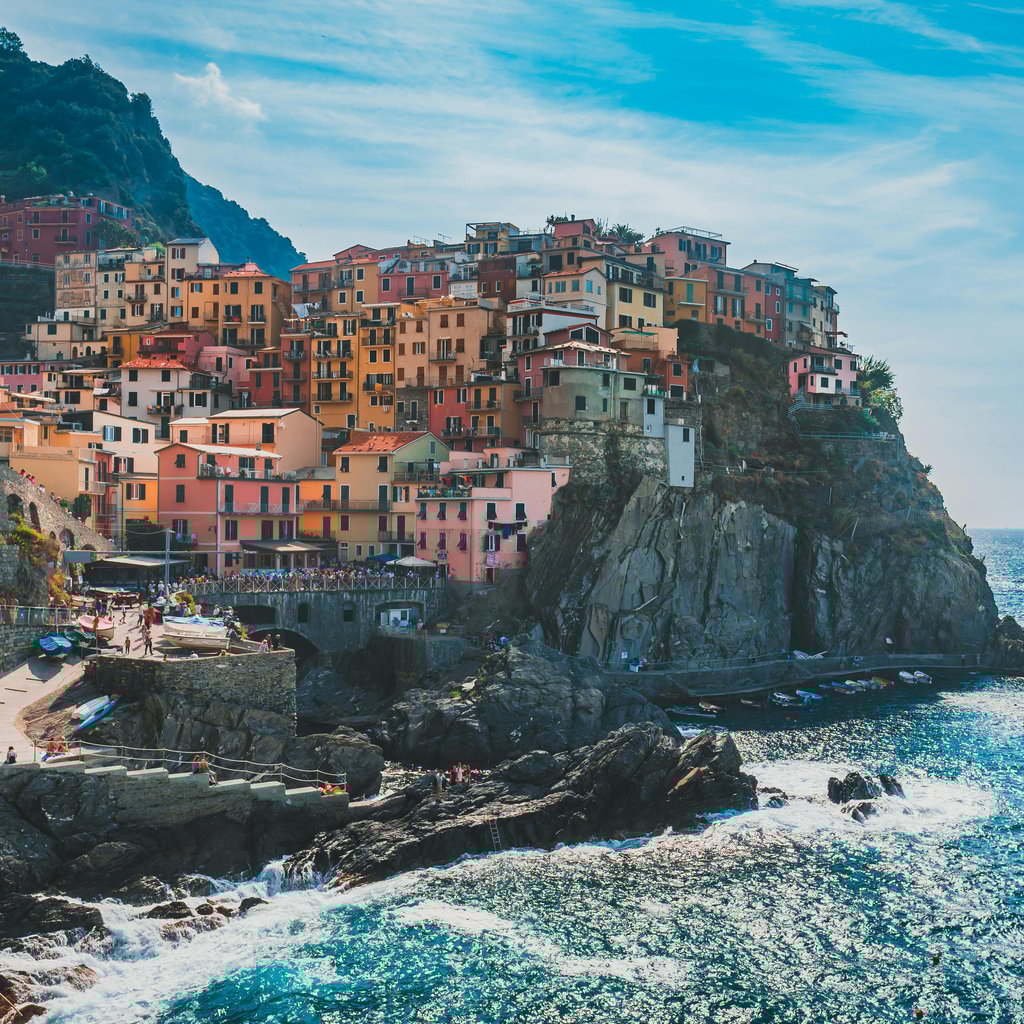
Navigating Italy is straightforward with a variety of public and private transport options. Here's what you need to know about getting between and within its cities and towns.
Inter-City Travel
Traveling between Italian cities offers a range of options, varying in speed and cost. Trains are a popular choice for intercity travel, with three main types.
High-speed trains, such as Trenitalia's 'Le Frecce' (Frecciarossa, Frecciargento, Frecciabianca) and Italo, connect major cities like Rome, Florence, Milan, and Naples quickly. These are the fastest and generally more expensive, with prices for routes like Rome to Florence starting from €14.90-€19.90, Rome to Venice from €29.90, and Rome to Milan from €29.90 if booked in advance. Booking high-speed tickets in advance is recommended for better prices, as they can sell out.
Intercity trains are a mid-range option, connecting major cities and towns with more stops than high-speed services. They are generally more affordable, with prices from €8.90 for routes like Rome to Florence, and €19.90 for Milan to Ventimiglia or Rome to Palermo, if Super-economy fares are available.
Regional trains are the slowest and cheapest, stopping at many smaller towns, and their prices are fixed based on distance. A bus ticket for intercity travel can cost around €1.10 - €1.50, and buses also serve routes to more offbeat destinations. Bus tickets can be very cheap, with some starting from €1.59.
Domestic flights are also available for long distances, typically being the most expensive option, though specific price ranges were not provided. Car rental is another flexible option, with daily rates varying by city, for example, around $68 in Milan, $91 in Rome, and $78 in Naples. The cheapest months to rent a car are typically May and June, with average daily costs around $22.
Travel Within Cities
Within Italian cities, public transportation includes buses, trams, and metro systems. A single bus or metro ticket typically costs around €1.50. Day passes are a cost-effective choice for frequent use, generally costing €3-€5, while a 24-hour pass in Rome is around €7 and a 48-hour pass is €12.50. A weekly pass in Rome costs approximately €24.
In Milan, a single ticket is €2 and is valid for 90 minutes across all public transport, with a 24-hour pass costing €7 and a 48-hour pass costing €12. For Venice, water buses (vaporettos) are a common mode of transport, with a single ticket costing €7.
Taxis are available but are generally a more expensive option for getting around cities. In Rome, an average city center journey can range from €7 to €10. Fixed fares exist for airport transfers, such as €50 from Fiumicino Airport to Rome city center and €35 from Ciampino Airport.
In Milan, a base fare at night is about €7.90, with an added cost per kilometer of around €1.98. Taxi fares can increase by 20-30% at night. For those with significant luggage, be aware that some public transport in Milan may not allow larger suitcases, or may require an additional ticket for them.