Rome, often called 'The Eternal City,' presents a grand open-air museum where millennia of history, art, and vibrant culture unfold. Visitors immerse themselves in iconic ancient ruins, impressive basilicas, and world-renowned art collections, complemented by exceptional Italian cuisine.
To connect with other travelers, districts such as Trastevere and Monti offer a lively atmosphere with charming streets, cafes, and vibrant nightlife. Popular gathering spots include Piazza Navona, Campo de' Fiori, and the Spanish Steps. Hostels in Rome are particularly conducive to meeting people, often arranging social events such as group dinners, walking tours, and pub crawls.
Top 6 Things to do in Rome
Exploring Rome involves immersing oneself in ancient ruins, world-class art collections, historic landmarks, and the vibrant local culture through culinary delights and charming neighborhoods.
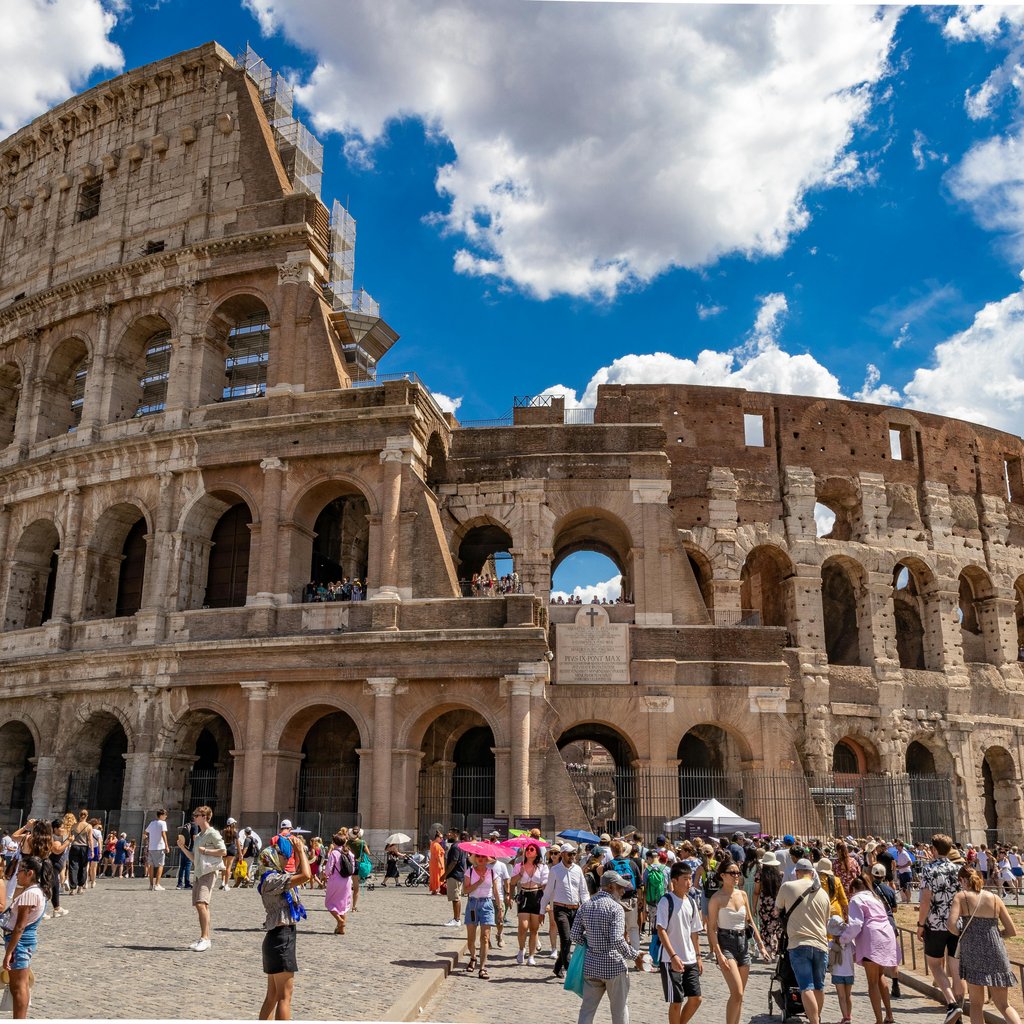
1. Colosseum, Roman Forum, and Palatine Hill
Stepping into the Colosseum, visitors encounter the grandeur of ancient Rome, imagining gladiatorial contests and public spectacles that once captivated thousands. Adjacent to this iconic amphitheater, the Roman Forum reveals the political, religious, and social heart of the Roman Empire through its expansive ruins. Above these, Palatine Hill offers a serene escape with panoramic views of the archaeological area and the city, believed to be the birthplace of Rome. It is recommended to book tickets in advance, particularly if planning to visit the arena floor or underground sections, which typically require a guided tour.
Cost: A standard adult ticket for the Colosseum, Roman Forum, and Palatine Hill costs €18, with children aged 0-17 paying €6. Guided tours, often including access to restricted areas like the arena or underground, typically start from around €40. It is advisable to purchase tickets online at least 30 days in advance through official channels to ensure availability and avoid queues. Self-guided audio guides are available through third-party providers for an additional cost.
Transport: These sites are centrally located and easily accessible on foot from many areas of central Rome. The nearest Metro station is Colosseo (Blue Line B). A single public transport ticket (BIT) costs €1.50 for 100 minutes of travel, allowing transfers within the validity period.
2. Vatican Museums, Sistine Chapel, and St. Peter's Basilica
A visit to Vatican City, the world's smallest independent state, offers an unparalleled immersion into art and spirituality. The Vatican Museums house an extensive collection of masterpieces, leading to the breathtaking Sistine Chapel, adorned with Michelangelo's iconic frescoes. Following this, St. Peter's Basilica, a monumental church, invites reflection beneath its towering dome and beside Bernini's baldachin. To make the most of the visit, especially in avoiding long lines, booking a skip-the-line ticket or a guided tour is highly recommended.
Cost: A basic adult entry ticket to the Vatican Museums and Sistine Chapel is €17, with a discounted rate of €8 for children aged 6-18 and students under 25 with a valid ID. Skip-the-line tickets from third-party providers can range from €60 to €86. An official audio guide costs €8. Guided tours typically start from €25, with more extensive tours potentially ranging from €50 to €100. St. Peter's Basilica has free entry, but queuing is common. It is important to note that the cost does not include St. Peter's Basilica tours.
Transport: Vatican City is reachable by Metro (Ottaviano or Cipro stations on Line A), followed by a short walk. Public buses also serve the area. A taxi from central Rome to Vatican City could cost approximately €7-€10.
3. The Pantheon
Standing before the Pantheon, one observes a remarkable architectural achievement of ancient Rome, originally a temple dedicated to all gods, and now a church. Its colossal dome, with a central opening (oculus), remains the largest unreinforced concrete dome in the world, allowing natural light to illuminate the vast interior. The experience is both awe-inspiring and serene, reflecting millennia of history and ingenious engineering. Visitors should be aware that reservations are now required on weekends and holidays.
Cost: Entry to the Pantheon costs €5 for adults, €3 for EU citizens aged 18-25, and is free for those under 18 and residents of Rome. An audio tour is available for €8.50, or a 45-minute guided tour for €20. Tickets can be purchased at the ticket office or in advance online.
Transport: The Pantheon is centrally located and easily accessible on foot from many popular areas, including the Trevi Fountain and Piazza Navona. The closest Metro station, Colosseo, is approximately 1.44 km away, requiring a walk or bus connection.
4. Trevi Fountain
The Trevi Fountain presents a magnificent Baroque masterpiece, where mythological figures emerge from cascading waters. The tradition of tossing a coin over one's shoulder into the fountain is a highlight, said to ensure a return to Rome. While always bustling, visiting in the early morning or late at night offers a more tranquil experience to admire its intricate details and take photographs without the peak crowds. Beneath the fountain, the Vicus Caprarius, or 'City of Water,' reveals ancient Roman ruins and aqueduct fragments, offering a deeper historical perspective.
Cost: There is no cost to visit the Trevi Fountain itself. Visitors may choose to throw coins into the fountain, which are collected and used for charitable purposes.
Transport: The Trevi Fountain is in the heart of Rome's city center, within easy walking distance of landmarks like the Pantheon and Spanish Steps. The nearest Metro stations are Barberini and Spagna (Line A).
5. Borghese Gallery and Villa Borghese Gardens
The Borghese Gallery, housed within the former Villa Borghese Pinciana, showcases an exceptional collection of Renaissance and Baroque art, including masterpieces by Bernini, Canova, Caravaggio, and Raphael. The gallery's limited entry system, allowing only 360 visitors per two-hour slot, ensures a contemplative viewing experience. Surrounding the villa, the expansive Villa Borghese Gardens offer a refreshing escape with walking paths, scenic viewpoints like the Pincio Terrace, and opportunities for leisure activities such as rowing a boat or simply enjoying the green spaces. Booking tickets well in advance is essential due to the timed entry system.
Cost: Tickets for the Borghese Gallery generally cost €15, with an additional €2 reservation fee. A reduced rate of €2 applies to EU citizens aged 18-25, and entry is free for those under 18 (though a reservation is still mandatory). Guided tours are available, with prices starting from approximately €40-€48.
Transport: The Borghese Gallery and Gardens are located within Villa Borghese Park. The closest Metro station is Flaminio (Line A), followed by a walk through the park, which can be around 1.5 kilometers. Public buses also serve the area. A small train runs through the park to the gallery.
6. Explore Trastevere
Crossing the Tiber River, the Trastevere neighborhood presents a charming contrast to central Rome with its labyrinthine cobblestone streets, artisan shops, and a lively, authentic atmosphere. This historic district truly comes alive in the evenings, offering a plethora of traditional Roman trattorias, bustling cafes, and vibrant nightlife options. Exploring Trastevere provides a genuine taste of Roman local culture, perfect for leisurely strolls and experiencing the city's social heart.
Cost: Exploring Trastevere itself is free. Costs will vary depending on dining, drinks, and shopping choices. Food tours of Trastevere are available, starting from approximately $130.
Transport: Trastevere is located across the Tiber River from central Rome. It is accessible by tram (Line 8 from Largo di Torre Argentina or Line 3 from Colosseo area), bus, or a pleasant walk across bridges from areas like Campo de' Fiori. Taxis from Termini to Trastevere are estimated to cost €17-€22.
At TFA Travel we believe in travel for all. Our mission is to enable people to explore the world as easily as possible without having to pay a travel agent a huge commission.
Our typical audience are those that want to see something new and get involved with authentic experiences of a country. Whether you are a backpacker, solo traveller, solo female traveller, straight or LGBTQ+ couple, family, you will find local and authentic experiences here.