Staying Safe in Ireland
Local Laws
Just a heads-up for anyone planning a trip to Ireland: they drive on the left, which might take a little getting used to if you're not accustomed to it. The legal age for enjoying a drink is 18. You'll find that smoking is prohibited in most public spaces, including eateries, pubs, and on public transport. It's also important to know that possessing even small amounts of illegal drugs is against the law.
When you're out and about, it's a good idea to have your identification handy, like your passport.
If you're traveling within the European Union, there aren't any limits on how much cash you can carry. However, customs officials do have the authority to confiscate sums of €1,000 or more if they suspect it's connected to any illegal activities.
For journeys coming into or leaving the EU, any cash amounts of €10,000 or higher need to be formally declared. Lastly, it's worth keeping an eye out for any potential demonstrations or political events happening in the cities, as these can sometimes cause disruptions to travel plans.
LGBTQ+ Travellers
Ireland is recognized as a welcoming and safe destination for LGBTQ+ travelers, reflecting significant legal and social advancements. The country legally recognized same-sex marriage in 2015 through a popular vote, a global first, and has comprehensive anti-discrimination laws covering sexual orientation and gender identity in areas such as employment, goods, and services.
Social attitudes are broadly liberal, with recent surveys indicating strong public support for LGBTQ+ rights and acceptance of same-sex couples. While major cities offer visible LGBTQ+ scenes, overall, Ireland prides itself on its inclusive environment and robust legal protections for its LGBTQ+ community and visitors.
Scams
When you're out and about in Ireland, it's good to be aware of a few common tricks people might try. For instance, at ATMs, someone might offer to help you, but their real aim could be to copy your card details.
You might also run into people who ask you to take their picture, and then claim you've damaged their camera and demand money. Keep an eye out for fake parking tickets; these often have QR codes that will send you to a dodgy website to pay a fake fine.
Another one to watch for is the 'tax refund scam,' where people pretend to be from the tax office to get you to hand over money or personal information. And sometimes, taxi drivers might take a longer route than necessary to charge you more.
If you're planning a trip, be careful of travel companies or tours advertised online or on social media, especially if the deals seem too good to be true. If you meet someone online, be cautious about romance scams.
On the street, some people might bump into you to distract you, or they might ask for donations to fake charities and then insist on payment.
Crime
While serious crimes are rare, you might encounter minor offenses, particularly if you're visiting. Things like pickpocketing and bag snatching have become more common, especially in busy places where tourists tend to gather, such as the centers of Dublin, Cork, Galway, and Belfast. These thieves often create distractions to make their move.
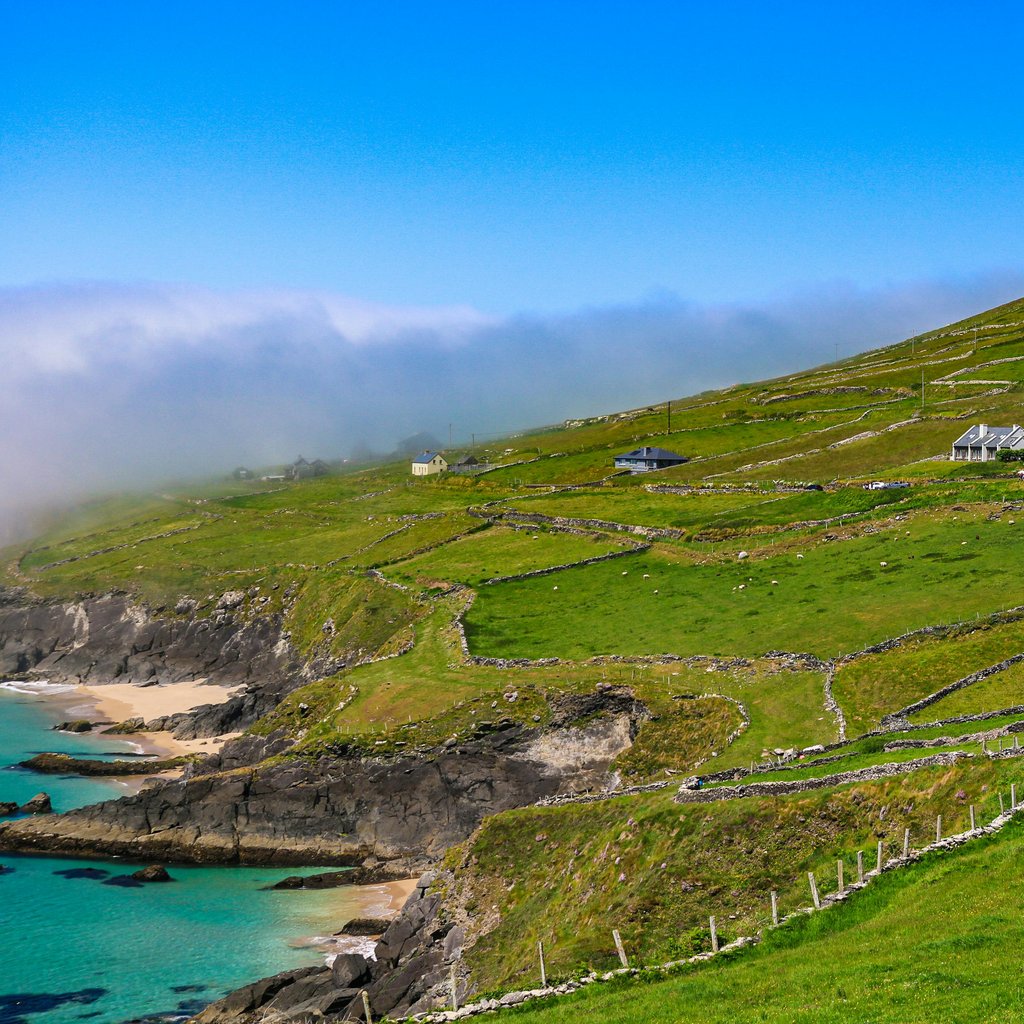
Car theft and break-ins are also something to be aware of. Rental cars can be particularly attractive to thieves because they often have stickers that make them easy to identify. It's really important not to leave anything valuable visible inside a parked car, as they are prime targets. This is especially true in popular rural tourist destinations like the Cliffs of Moher and the Ring of Kerry.
You should also be cautious about credit card skimming at ATMs. In areas known for their nightlife, like Temple Bar in Dublin or Galway's Latin Quarter, you might experience incidents related to excessive alcohol consumption. There's also a risk of drink spiking in these lively spots.