Staying Safe in Iceland
Local Laws
When you're visiting Iceland, it's helpful to know a few things about local laws and how people do things there. For instance, when you're driving, you'll need to keep your headlights on all the time, even in broad daylight. They have very strict rules about drinking and driving, with a really low blood alcohol limit, so it's safest to steer clear of alcohol altogether if you're behind the wheel.
Using your phone while driving is only okay if you're using a hands-free device, and everyone needs to wear a seatbelt. Driving off-road is a no-go because it can damage the delicate nature, and you could face some hefty fines.
It's also against the law to camp anywhere other than official campsites or in towns unless you have the landowner's express permission. If you do find yourself camping in a more remote spot, make sure to dispose of human waste properly at designated areas.
The legal age for drinking alcohol is 20, and you can only buy it at government-run liquor stores called Vínbúðin, or at duty-free shops. There are also some restrictions on what you can bring into the country, generally meaning no uncooked meats, unpasteurized milk, or uncooked eggs.
You'll also find that smoking and using e-cigarettes are not allowed in places like restaurants, bars, on public transport, or inside public buildings. If you're caught with even a small amount of illegal drugs, the consequences can be quite serious, including long prison sentences and large fines.
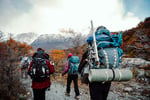
When you go to public swimming pools or hot springs, it's a must to shower thoroughly without your swimsuit on before you get in. And when you're out exploring Iceland's beautiful natural spots, always stick to the marked paths to help protect the environment.
Icelanders tend to value their personal space and privacy, so it's best to avoid standing too close to people you don't know or asking too many personal questions. While there's always a risk of terrorism in Europe, Iceland hasn't experienced any recent attacks.
LGBTQ+ Travellers
Iceland is a very safe and friendly destination for LGBTQ+ travelers. The country has some of the most progressive laws in the world, including legalizing same-sex marriage in 2010 and offering strong anti-discrimination protections for sexual orientation, gender identity, and gender expression. Social attitudes are widely accepting and inclusive, with public displays of affection generally well-received. Visitors will find a welcoming atmosphere, particularly in Reykjavik, which boasts a vibrant LGBTQ+ scene and celebrates events like Reykjavik Pride.
Scams
Even though Iceland is a wonderfully safe place to visit, it's good to be aware that a few common scams can pop up. For instance, taxi drivers might try to overcharge you, particularly for airport rides, unless you agree on a set price beforehand. It's always a good idea to confirm the fare or make sure the meter is running correctly from the start.
You might also find that currency exchange desks at the airport don't offer the best rates. In most cases, using your card is perfectly fine, and you won't need much cash anyway.
When it comes to souvenirs, keep an eye out for shops often referred to as "puffin shops." These places sometimes sell mass-produced items at surprisingly high prices, and you might even find "Icelandic" wool sweaters (lopapeysa) that aren't actually made with Icelandic wool or hand-knitted in the country. Lastly, you might be tempted to buy bottled water, but rest assured, Iceland's tap water is perfectly safe and of excellent quality, so you can save your money and skip the bottle.
Crime
Iceland is renowned for its incredibly low crime rate, making it one of the safest places on Earth. You'll find that serious crimes are very uncommon, and visitors are generally not at risk. While rare, there have been isolated instances of violence, sometimes linked to gangs or involving knives, particularly in Reykjavik's downtown area late at night, especially around bars and clubs.
Unfortunately, petty theft like pickpocketing and bag snatching does happen. Recently, we've seen an uptick in organized pickpocketing rings, often made up of foreign nationals who blend in as tourists.
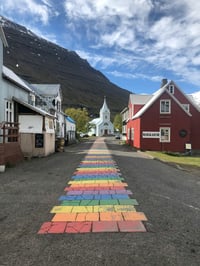
These groups tend to operate in busy tourist spots. You might encounter them on Rainbow Street in downtown Reykjavik, at popular Golden Circle attractions like Strokkur Geyser and Þingvellir National Park, or near landmarks such as Harpa Concert Hall and Hallgrímskirkja church. They often use tactics like bumping into people or offering to take photos as a distraction to steal cash and valuables.
To help keep yourself safe, it's a good idea to stay aware of what's going on around you. Make sure your belongings are secure when you're on buses or in taxis, and always lock your vehicle and accommodation. If you're in a less populated area, it's best to avoid going out alone after dark. Using a money belt or an anti-theft bag can also provide an extra layer of security for your valuables.