Lake Mývatn Area

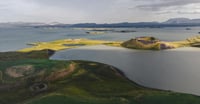
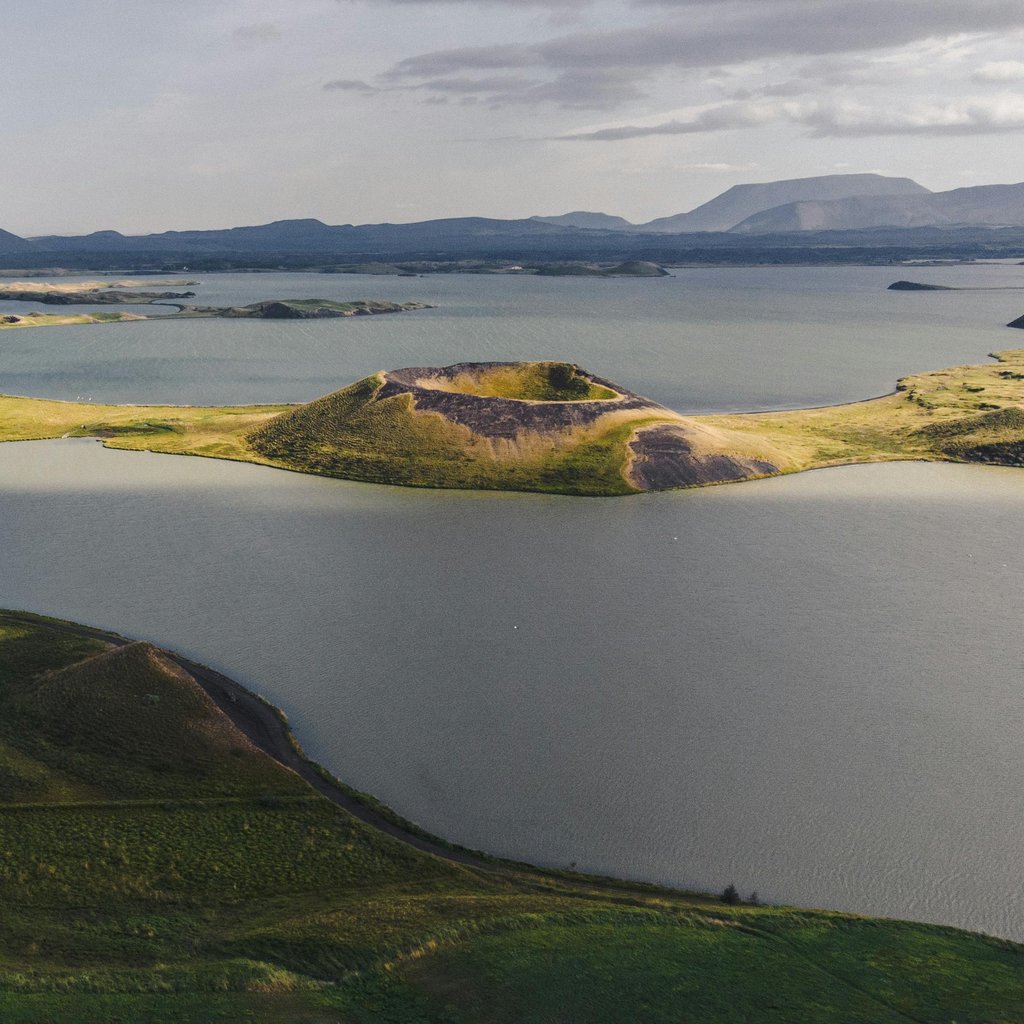
A breathtaking aerial view of Lake Mývatn and its craters in Iceland, showcasing unique geological formations.
Miles Rothoerl, Pexels

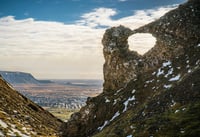
The Lake Mývatn Area, a prominent nature reserve in North Iceland, showcases a landscape forged by volcanic activity, offering breathtaking geological formations, vibrant geothermal areas, and rich birdlife. It provides visitors with a unique opportunity to explore pseudo-craters, lava fields, and craters, alongside relaxing in naturally heated, mineral-rich waters.

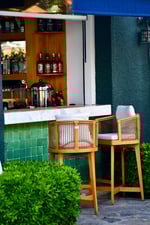
While not a dedicated party destination, the Mývatn Nature Baths provide a setting for relaxed social interaction with other travelers. It features a swim-up bar and an on-site eatery, offering a comfortable space to enjoy the geothermal experience with company.

Top 8 Things to do in Lake Mývatn Area

The Lake Mývatn Area provides diverse activities ranging from exploring unique geological formations and vibrant geothermal fields to relaxing in natural baths and observing rich birdlife.

1. Mývatn Nature Baths

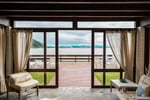
After a day of exploring, relaxing in the milky-blue, mineral-rich waters of Mývatn Nature Baths offers a peaceful end to the day. The geothermal pools provide a serene setting with panoramic views of the surrounding landscape, enhanced by natural steam baths. It is a less crowded and often more authentic alternative to the more famous Blue Lagoon.

Cost: Adults (16+ years) can expect to pay 7,400 ISK for admission. Teenagers (13-15 years) are 3,600 ISK, while children (0-12 years) enter for free. Concessions for students, seniors, and disabled individuals are 4,800 ISK. Towel rental costs 1,100 ISK, a bathrobe 1,900 ISK, and swimwear 1,000 ISK.

Transport: The baths are located approximately 2 kilometers east of Reykjahlíð, the main village in the area. Access is easiest by car, and there are no direct public transport routes to the baths from outside the immediate area. Taxis from Reykjahlíð would be an option.


2. Skútustaðagígar Pseudocraters

Walking among the Skútustaðagígar pseudocraters offers a unique perspective on Iceland's geological history. These formations, resembling small craters, were created when hot lava flowed over wetlands, causing steam explosions. The paths around the pseudocraters and the nearby Stakhólstjörn pond provide excellent opportunities for a leisurely walk and observing diverse bird species.

Cost: Exploring the pseudocraters is free of charge.

Transport: Situated on the southern shore of Lake Mývatn, the pseudocraters are easily accessible by car via Route 848. They are a common stop on self-drive tours around the lake. Public transport is not a convenient option for this site.

3. Dimmuborgir Lava Fields

A stroll through Dimmuborgir, known as the 'Dark Castles,' reveals a fantastical landscape of towering lava pillars and intricate rock formations, some of which resemble arches or caves. These formations were created about 2,300 years ago from a collapsed lava tube. Several well-marked walking paths cater to different activity levels, with the 'Church Circle' (Kirkjuhringur) being a popular choice for its unique lava arch.

Cost: Access to Dimmuborgir Lava Fields is free.

Transport: Dimmuborgir is located on the eastern side of Lake Mývatn, a short drive from Höfði Park. It is best reached by car.

4. Námafjall Geothermal Area (Hverir)

Stepping into the Námafjall Geothermal Area, also known as Hverir, feels like entering another world. The landscape is dominated by boiling mud pots, hissing steam vents (fumaroles), and colorful mineral deposits. The strong sulfur smell is distinctive, but the vibrant, Mars-like scenery, with its red and orange hues, is captivating. Staying on the marked paths is crucial due to the unstable ground and high temperatures.

Cost: Visiting Hverir is free.

Transport: Hverir is conveniently located directly off Route 1, just east of Reykjahlíð. It is easily accessible by car.

5. Grjótagjá Cave

Grjótagjá is a small, enchanting lava cave that houses a geothermal hot spring. Once a popular bathing spot, the water temperature has become too hot for safe swimming, but visiting the cave to admire its unique beauty and the clear blue water within its depths is a memorable experience. It gained further fame as a filming location for 'Game of Thrones'.

Cost: There is no entry fee to visit Grjótagjá Cave.

Transport: Grjótagjá is located off Route 860, a short drive from Hverfjall Crater. It is best accessed by car.

6. Hverfjall Crater Hike

For those seeking an active experience, hiking to the rim of Hverfjall, a massive tephra explosion crater, offers breathtaking panoramic views of the Lake Mývatn area. The ascent is steep but the well-maintained paths make it manageable. Walking around the entire crater rim, which takes about an hour, provides varying perspectives of the crater's impressive scale and the surrounding landscape.

Cost: There is no charge to hike Hverfjall Crater.

Transport: There are permitted walking routes to the top, with access from nearby parking areas. Driving to the base of the crater is necessary, either directly from Route 1 or from Dimmuborgir.

7. Krafla Volcanic Area (Víti Crater & Leirhnjúkur)

Exploring the Krafla Volcanic Area reveals the ongoing geological activity of Iceland. Here, the Víti crater (meaning 'hell') holds a striking aqua-blue lake, formed after a massive 18th-century eruption. Nearby, the Leirhnjúkur lava field offers trails winding through relatively new lava formations and steaming vents, providing a sense of walking on a constantly changing Earth.

Cost: A parking fee of 800 ISK applies to passenger cars for the Krafla area (covering both Víti and Leirhnjúkur).

Transport: The Krafla area is located northeast of Lake Mývatn. To get there, drive east on Route 1 for about 6 km from Mývatn and then turn left onto Route 863 towards Víti/Krafla. A car is essential for visiting this site.

8. Birdwatching around Lake Mývatn

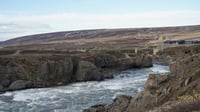
Lake Mývatn and its surrounding wetlands are a recognized Important Bird and Biodiversity Area, hosting more species of nesting ducks than any other location in Europe. Enthusiasts can spot numerous species, including the Barrow's Goldeneye and Harlequin Duck, as well as the majestic Gyr Falcon. Key birdwatching spots include Skútustaðagígar, Höfði Park, and the Laxá River. A visit to Sigurgeir's Bird Museum can also enhance the experience.

Cost: Self-guided birdwatching is free. Private guided birdwatching tours are available from local operators, typically lasting 8-10 hours, with costs varying depending on the group size and services included.

Transport: Numerous prime birdwatching locations are scattered around the lake, making a car the most flexible way to explore these diverse habitats. Specific sites are easily accessible by well-maintained roads.

Discover destinations in Iceland