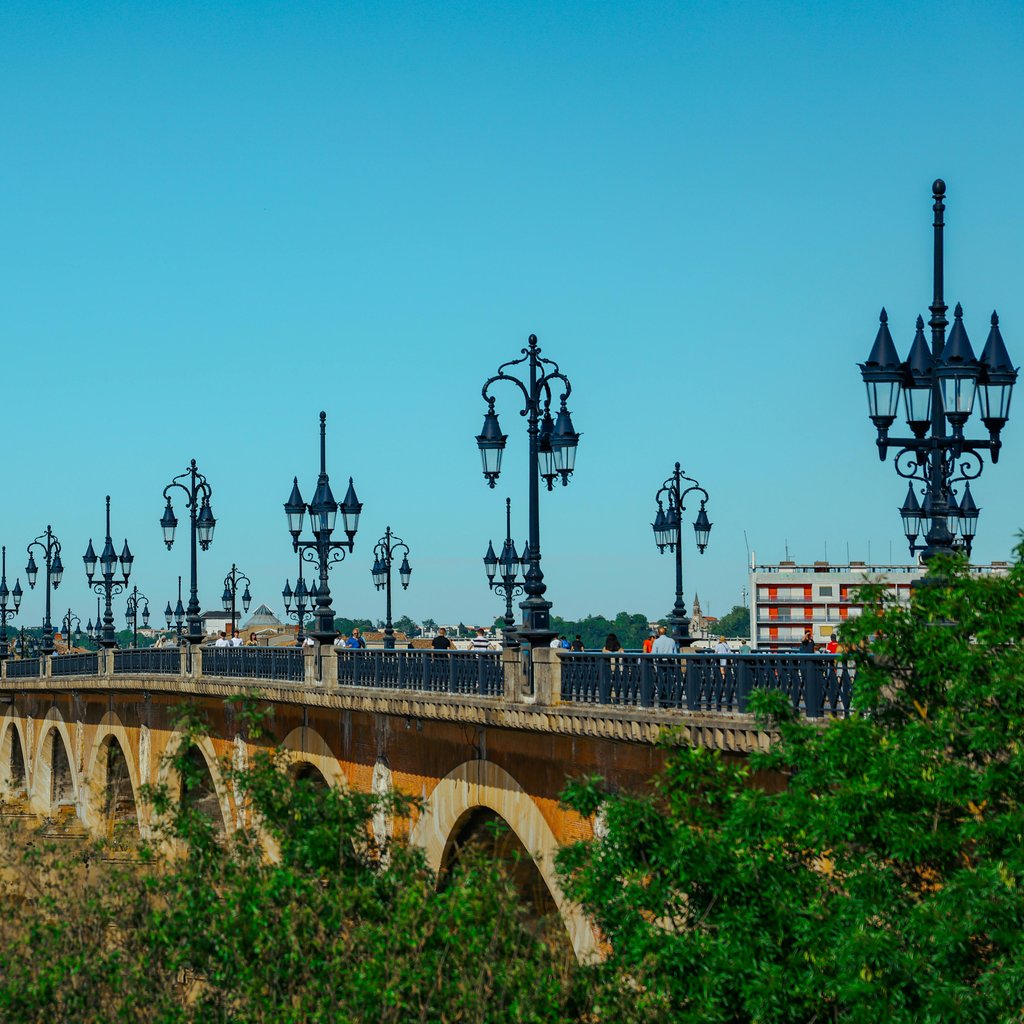
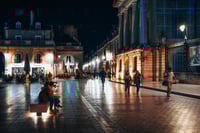
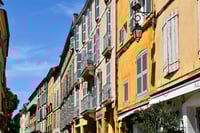
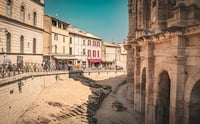
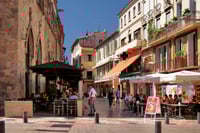
Bordeaux, France, is globally recognized as the wine capital, offering visitors a captivating blend of historic architecture, vibrant culture, and exceptional gastronomy. The city is celebrated for its stunning 18th-century buildings, grand squares, and its status as a UNESCO World Heritage site, providing a rich, walkable experience often likened to a "mini Paris" with fewer crowds.
For socializing, the Saint Pierre neighborhood stands out as the historic heart of Bordeaux, bustling with restaurants, trendy wine bars, and hip cafés, becoming particularly lively in the evenings. Place de la Victoire is another vibrant hub, popular with students and young tourists, featuring numerous bars, bistros, and pubs with lively terraces. Along the Garonne river, you will discover various eateries and bars, especially pleasant for outdoor seating. The Chartrons district, while more upscale, offers riverview restaurants and a bustling Sunday market on Quai des Chartrons, attracting both locals and visitors. For late-night entertainment, areas around Saint Pierre and specific venues like L'Engrenage, Le Singe Vert, and Jamboree provide a lively nightlife scene.
Top 7 Things to do in Bordeaux
Visitors can immerse themselves in Bordeaux's celebrated wine heritage, explore its historic architecture and vibrant public spaces, or enjoy leisurely river excursions.
1. La Cité du Vin
Stepping inside La Cité du Vin offers an immersive journey into the global culture and history of wine. This architectural marvel, resembling wine swirling in a glass, features interactive exhibits that engage the senses through videos, touchscreens, and sensory tables, detailing wine production and trends. The visit culminates on the eighth-floor Belvedere, where guests can enjoy a glass of wine or grape juice while taking in a panoramic view of Bordeaux and the Garonne River. It is an ideal experience for both adults and children, with dedicated content for younger visitors.
Cost: An adult ticket for the permanent exhibition, including a tasting, costs approximately €20-€22. Children aged 6-17 can enter for around €9-€14, with those under 6 entering free. A family pack for two adults and two children is available for approximately €50-€59. Booking tickets online in advance is advisable to avoid queues. The Bordeaux City Pass offers a 20% discount.
Transport: La Cité du Vin is easily accessible by public transport. Tram line B stops directly at 'La Cité du Vin,' a two-minute walk from the museum. Several bus lines (7, 32, 45) also serve the 'La Cité du Vin' stop. A single tram or bus journey costs approximately €1.70. For a scenic route, the BatCub river ferry stops at 'Les Hangars' or 'La Cité du Vin' pontoon, with a single journey costing around €2. Taxis from the city center cost approximately €15-€20.
2. Place de la Bourse and Miroir d'eau
The Place de la Bourse is a magnificent 18th-century square, showcasing classical French Baroque architecture, designed by Ange-Jacques Gabriel. It stands as a timeless symbol of Bordeaux's elegance, housing the Palais de la Bourse and the National Customs Museum. Directly opposite, the Miroir d'eau, the world's largest reflecting pool, offers a unique and enchanting experience. This shallow granite surface alternates between a mirror effect and misting, creating stunning reflections of the square and its facades, especially at sunset. It is a highly photographed site and a delightful place to cool off in summer.
Cost: Visiting the Place de la Bourse and experiencing the Miroir d'eau is free.
Transport: The Place de la Bourse is centrally located and easily walkable from many parts of the city center. It is served by the 'Place de la Bourse' tram stop.
3. Garonne River Cruise
A relaxing cruise along the Garonne River provides a unique perspective of Bordeaux's historic heart, a UNESCO World Heritage site known as the Port de la Lune. These 1.5-hour journeys often include live commentary, offering insights into the city's architectural history, 18th-century mansions, and the significance of the river to Bordeaux's wine trade. Passengers can admire landmarks such as the Place de la Bourse, Pont de Pierre, and La Cité du Vin from the water. Many cruises include a complimentary glass of local wine and a canelé, a traditional Bordeaux pastry.
Cost: Prices for a Garonne River cruise vary, but generally range from €15 to €18.67 per person for a 1.5-hour cruise, often including a glass of wine and canelé. Children aged 5-11 may cost around €5, and children under 5 are often free.
Transport: Cruises typically depart from pontoons near Pont de Pierre or the Ponton d'Honneur - Passerelle Garonne. These areas are central and easily accessible by foot. Public transport options include tram lines A, C, D to the 'Porte de Bourgogne' stop.
4. Explore Rue Sainte-Catherine
Rue Sainte-Catherine is Europe's longest pedestrian shopping street, stretching 1.2 kilometers from Place de la Comédie to Place de la Victoire. It is the main commercial artery of Bordeaux, offering a vibrant blend of high-street fashion brands, local boutiques, cafés, and restaurants. The northern section typically features major French chains, while the southern part is popular with students. Strolling here allows visitors to soak in the city's lively atmosphere and observe its blend of history and modernity.
Cost: Exploring Rue Sainte-Catherine is free, with costs only incurred for shopping or dining.
Transport: Rue Sainte-Catherine is a central pedestrian street. It connects major squares, making it easily walkable. Public transport tram stops are located at both ends of the street (e.g., 'Place de la Comédie' and 'Place de la Victoire').
5. Visit Cathédrale Saint-André and Pey Berland Tower
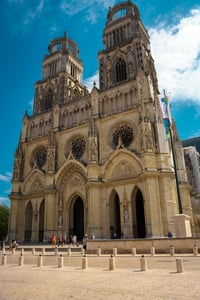
The Cathédrale Saint-André is a magnificent Gothic church, a UNESCO World Heritage site, with origins dating back to the 11th century. Visitors can admire its stunning stained glass windows, intricate carvings, and the beautiful Porte Royale depicting the Last Judgement. Entry to the cathedral itself is free. Adjacent to the cathedral is the Pey Berland Tower, a separate bell tower that can be climbed for panoramic views of Bordeaux. The tower was designed to be separate from the cathedral due to the soft ground.
Cost: Entry to Cathédrale Saint-André is free. There is a fee to climb the Pey Berland Tower, which is approximately €6 for general admission and €5 for children under 12 or seniors. The cathedral's treasure is also accessible for a small fee, around €2, on specific days.
Transport: The cathedral is centrally located near the Hôtel de Ville. The nearest tram stop is 'Hôtel de Ville' on Line A, making it easily accessible by public transport or on foot from the city center.
6. Musée des Beaux-Arts
Located within the gardens of the Hôtel de Ville, the Musée des Beaux-Arts houses an extensive collection spanning 500 years of European art history, from the Renaissance to Cubism. The museum is spread across two wings and presents emblematic works from major artistic movements, including oil paintings, watercolors, pastels, and sculptures. It is designed on a human scale, offering a serene environment to appreciate art. Educational booklets are available for children, making it suitable for families.
Cost: A full-price ticket for permanent collections is €6, or €8 for permanent collections plus temporary exhibitions. A reduced rate of €4.50 (or €2-€2.50 depending on criteria) is available. Admission is free on the first Sunday of every month (except July and August). The Bordeaux City Pass often includes access, and a 'Pass Musées Bordeaux' offers unlimited annual entry to municipal museums.
Transport: The Musée des Beaux-Arts is centrally located and is within walking distance of many city center attractions. The nearest tram stops are 'Hôtel de Ville' or 'Gambetta'.
7. Bordeaux Historical Walking Tour
Embarking on a guided walking tour is an excellent way to uncover the rich history and architectural beauty of Bordeaux. These tours typically cover the UNESCO World Heritage-listed historic center, allowing visitors to discover key landmarks like the Place de la Bourse, the Miroir d'eau, Porte Cailhau, and the Grand Théâtre. Guides share fascinating anecdotes, historical facts, and cultural insights, bringing the city's past to life while showcasing its vibrant present. Many tours also highlight hidden gems and picturesque plazas, offering a comprehensive overview of Bordeaux's charm.
Cost: Guided walking tours vary in price. Some 'tips-based' free walking tours are available (though tips are expected). Others range from approximately €12 to €40 per person, with private tours potentially costing more.
Transport: Walking tours generally start from central meeting points, such as near the Grand Théâtre (Place de la Comédie) or Place des Quinconces, which are easily accessible by public transport (tram lines B, C, D) and on foot.
At TFA Travel we believe in travel for all. Our mission is to enable people to explore the world as easily as possible without having to pay a travel agent a huge commission.
Our typical audience are those that want to see something new and get involved with authentic experiences of a country. Whether you are a backpacker, solo traveller, solo female traveller, straight or LGBTQ+ couple, family, you will find local and authentic experiences here.