Durham

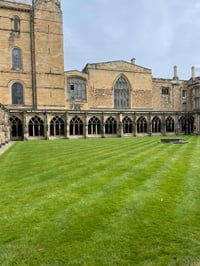
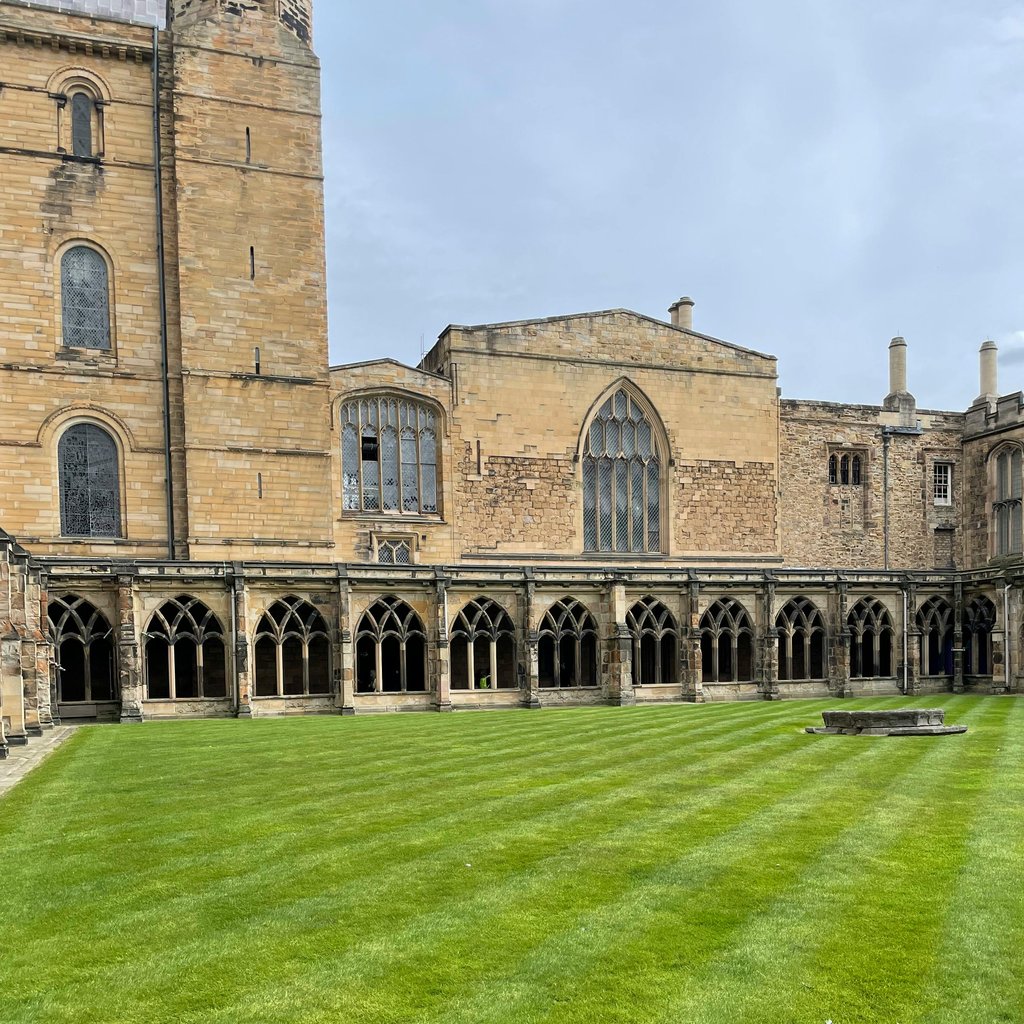
A serene view of Durham Cathedral's cloister, showcasing historic architecture and lush grass.
Nicole X, Pexels

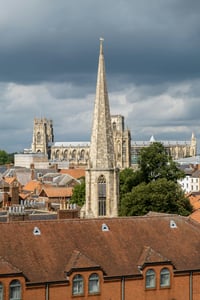
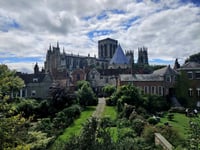
Durham is a captivating historic city in England, renowned for its magnificent UNESCO World Heritage Cathedral and Castle, offering visitors a journey through time amidst stunning architectural and natural landscapes.

The city centre, particularly around the Market Place, provides a lively environment with various pubs, cafes, and restaurants, making it an ideal area for socialising with other tourists and locals. The significant student population also contributes to a vibrant and friendly atmosphere.

Top 6 Things to do in Durham

Experience centuries of history, explore diverse botanical collections, and enjoy scenic riverside walks within the city and its surrounding areas.

1. Durham Cathedral

Explore the magnificent Durham Cathedral, a UNESCO World Heritage Site renowned for its Norman architecture and rich history, including the Shrine of St Cuthbert. Visitors can wander through the grand nave, admire the stained-glass windows, and discover areas featured in Harry Potter films, such as the cloisters. Guided tours offer deeper insights into its past. The Cathedral itself encourages a suggested donation for entry, while its accompanying museum has a separate fee. Accessibility within the Cathedral is generally good, with a dedicated bus service connecting to key city points.

Cost: Entry to Durham Cathedral has a suggested donation (e.g., £5 for adults). The Cathedral Museum charges £7.50 for adults, with carers entering free.

Transport: The Cathedral is centrally located and within walking distance of most city centre accommodations. A cathedral bus, suitable for wheelchair users, connects the Cathedral with Durham train station, the coach park, and the marketplace.


2. Durham Castle

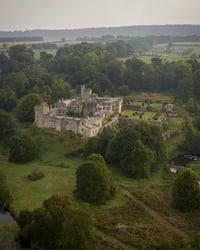
Adjacent to the Cathedral, Durham Castle, another UNESCO World Heritage Site, offers a journey through almost 1,000 years of history. Originally built in 1072 by William the Conqueror, it now serves as a college for Durham University. Access to the Castle is exclusively via guided tours led by knowledgeable university staff, showcasing its historical significance, impressive architecture, and unique transition from fortress to student accommodation. It is important to note that due to its historic layout, the Castle has many steps and is largely inaccessible to wheelchair users.

Cost: Adult entry for a guided tour is £7.50. Students and those aged 16-18 pay £6.00, and children under 16 are free. Tickets should be purchased at Palace Green Library.

Transport: Located next to Durham Cathedral, it is easily reachable by foot from the city centre.

3. Riverside Walk along the River Wear

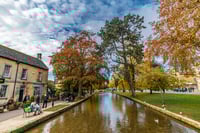
Enjoy a leisurely stroll along the picturesque River Wear, offering stunning views of Durham Cathedral and Castle perched above. This circular walk takes approximately 1.5 hours to complete and allows one to appreciate the city's natural beauty and various points of interest, including historic bridges. For an alternative perspective, consider hiring a rowing boat or taking a cruise on the Prince Bishop River Cruiser. The paths are generally accessible, with designated areas for picnics and wildlife spotting.

Cost: Walking the riverside paths is free. Rowing boat hire and river cruises incur separate costs, which vary by provider and duration. A scenic two-hour family walking tour of Durham starts from £128.84 for a group of up to 10.

Transport: The Riverside Walk is easily accessible on foot from the city centre, with many starting points near the main attractions.

4. Durham University Botanic Garden

Escape to the tranquil Durham University Botanic Garden, a 10-hectare site set within mature woodlands on the city's southern outskirts. It features a diverse range of plant collections from around the world, including alpine and winter gardens, a bamboo grove, glasshouses simulating tropical rainforests and deserts, and a wildflower meadow. It is a peaceful retreat offering many spots for contemplation, opportunities to view modern art, and observe insects. The garden aims for accessibility, with many paths suitable for wheelchairs, though some areas may be steep.

Cost: Adult admission is £5.00. Concessions (over 60s, students, disabled, wheelchair users) are £4.50. Children 16 and under, and carers, enter free.

Transport: The Botanic Garden is about a 30-minute walk from Durham train station, though it can be hilly. A taxi costs approximately £9-£12. Alternatively, local bus services (e.g., Arriva No. 6 or No. 42) run from the city centre (e.g., Millburngate Stand A or North Road Stand A) to 'South Road Colleges' or 'Collingwood College', which is a 5-minute walk from the Garden. The journey by bus costs around £3. Free parking is available for visitors.

5. Beamish, The Living Museum of the North

Experience life in North East England from the 1820s to the 1950s at Beamish, an award-winning open-air living museum. This expansive site allows visitors to step back in time, exploring a 1900s pit village, a 1940s farm, a 1950s town, and other historical exhibits with costumed interpreters. It is a highly recommended day trip, particularly for families, offering a blend of historical education and engaging activities. It is advisable to allocate a full day for the visit to explore thoroughly. Beamish is committed to accessibility, providing wheelchair-accessible vehicles and facilities.

Cost: An 'Unlimited Pass' allows entry for a whole year. Adult tickets are £33, seniors (60+) and students £25, and children (5-16) £20. Family passes are also available. A 25% discount on individual admission is offered when traveling by Go North East bus with a valid bus ticket purchased on the day.

Transport: Beamish is located approximately 8.5 to 13 miles from Durham. The cheapest way to get there by public transport is a combination of buses, taking about 49-50 minutes and costing around £6. A taxi would cost approximately £30-£40 and take about 14 minutes. Trains run from Durham to Chester-le-Street (about 5 minutes), from where regular bus services connect to Beamish.

6. Durham University Oriental Museum

Delve into the rich and diverse cultures of Asia and North Africa at the Durham University Oriental Museum. This museum houses an impressive collection of over 30,000 objects, ranging from ancient Egyptian mummies and Chinese porcelain to Japanese woodblock prints and artifacts from across the Himalayas, Korea, and Southeast Asia. The exhibits are laid out geographically, allowing for focused exploration. Family-friendly activities, including dressing up and themed trails, are often available. The museum is generally accessible.

Cost: A small admission fee applies to general visitors, with concessions available for students, seniors, families, and groups. Children under five years old typically have free admission. Some sources also mention 'Free Admission' as a ticket type, which may apply to specific groups or events. It is best to check their official website for current pricing.

Transport: The Oriental Museum is situated on the Durham University campus, on Elvet Hill. Free parking is available onsite at Durham University's Science Site car park, a short walk from the museum. It is also accessible by local bus services.

Discover destinations in England