Pula

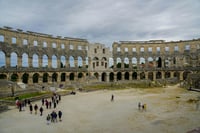
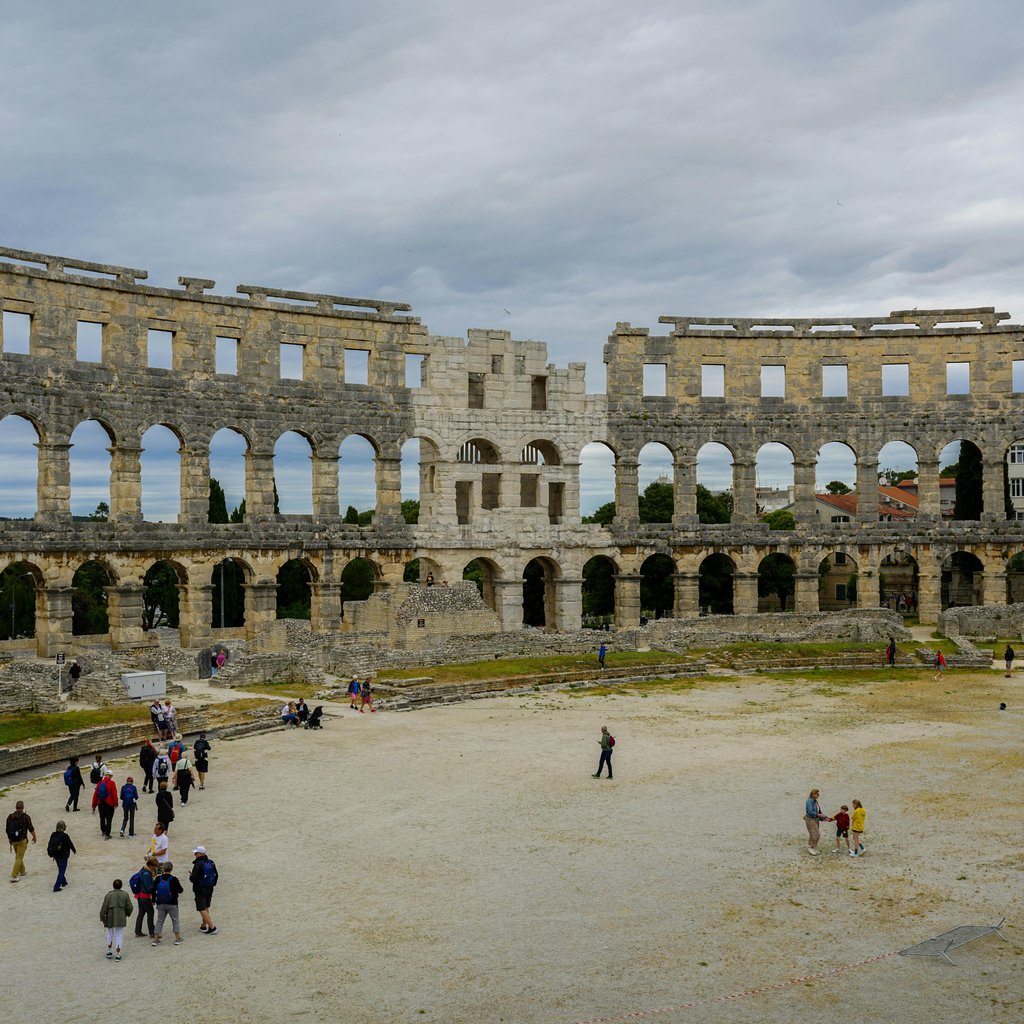
Discover the ancient Roman Pula Arena amphitheater, a stunning landmark in Croatia.
Vladimir Srajber, Pexels

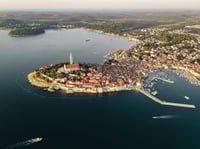
Pula, on Croatia's Istrian Peninsula, blends ancient Roman heritage with coastal beauty, highlighted by its well-preserved Pula Arena. It offers a rich historical experience and serves as an excellent base for regional exploration.

Opportunities to socialize with other travelers exist around the Roman Forum with its cafes, and through the vibrant summer nightlife in the city center, Verudela, and Premantura, which includes clubs, bars, music festivals, and organized pub crawls.

Top 6 Things to do in Pula

Pula offers a captivating blend of ancient Roman history, relaxing coastal experiences, and opportunities to explore the beautiful natural landscapes of the Istrian Peninsula.

1. Explore the Pula Arena

Stepping into the Pula Arena is like traveling back in time, allowing one to imagine the gladiatorial contests that once took place here. This remarkably preserved Roman amphitheater, one of the six largest globally, showcases impressive Roman engineering. Visitors can wander through the interior terraces, the lower arena, and an underground exhibition detailing ancient olive and wine production. It is highly recommended to visit in the morning or late afternoon during summer to avoid intense heat, as there is little shade. For the best experience, consider purchasing tickets online to minimize waiting times upon arrival. Some visitors find it helpful to research the history beforehand, as on-site interpretive materials can be limited.

Cost: Admission for adults is approximately €10-€15. Children, pupils, and students typically pay around €5. Online purchase is recommended for convenience.

Transport: The Pula Arena is centrally located within the city and is easily accessible by walking from most central accommodations. Public buses also serve the surrounding areas. A taxi from most city points would be a short and inexpensive ride.

2. Wander through the Forum and Temple of Augustus

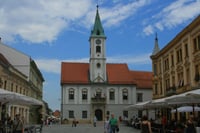
The Forum serves as Pula's main square, a vibrant hub that has been central to city life since Roman times. Here, one can admire the Temple of Augustus, a well-preserved Roman temple dedicated to the first Roman Emperor. The temple houses a small museum with ancient Roman sculptures and artifacts. Nearby, visitors can also see the Arch of the Sergii and the Gate of Hercules, remnants of Pula's extensive Roman heritage. The square is lined with cafes and restaurants, providing a pleasant spot to relax and soak in the historical atmosphere. Visiting in the morning is ideal to avoid crowds and experience the tranquil ambiance.

Cost: Entry to the Temple of Augustus is approximately €2 for adults and €1 for children and students. The Forum itself is free to explore.

Transport: The Forum is in the heart of Pula's Old Town, making it easily reachable on foot. Public bus lines such as 9, 6d, and 25c have stops within a short walking distance (e.g., Istarska B (FINA) station is about 700 meters away) if coming from further out.

3. Relax at Pula's Beaches

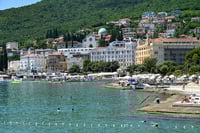
Pula's coastline offers a variety of beautiful beaches, predominantly pebbly or rocky, providing clear, inviting waters for swimming and snorkeling. Hawaii Beach on the Verudela Peninsula is particularly renowned for its turquoise waters. Other popular choices include Ambrela Beach, Gortan Cove, and Valkane Beach, some of which offer amenities like beach volleyball and nearby bars. For a change of scenery, Pješčana Uvala is one of the few sandy beaches. Water shoes are advisable for comfort on the pebbly shores. These beaches offer a relaxing escape, allowing visitors to enjoy the Adriatic Sea's natural beauty.

Cost: Access to most public beaches is free. Facilities like sun loungers and umbrellas may incur a rental fee.

Transport: Many popular beaches, such as those on the Verudela Peninsula, are a short bus ride from Pula's city center. Local buses (e.g., lines to Verudela) are economical, with a single ticket costing around €1.65. Taxis are also readily available.

4. Discover Brijuni National Park

Embarking on a boat trip to Brijuni National Park offers an opportunity to explore a stunning archipelago known for its lush nature and historical significance. The main island, Veliki Brijun, was once President Tito's summer residence and features a safari park, Roman ruins, and dinosaur footprints. Boat tours typically depart from Fažana, a charming town a short distance from Pula. Many tours include a panoramic cruise around the islands, a stop at a specific island (like St. Jerolim for swimming), and often include lunch or dinner, providing a full day of exploration and relaxation amidst beautiful scenery. It's an excellent way to combine wildlife spotting with historical discovery.

Cost: Group boat tours to Brijuni National Park typically range from €50-€65, often including lunch, drinks, and a swimming stop. Entrance to St. Jerolim Island might be an additional €5. Private boat charters can be arranged for around €450 for a group.

Transport: Boats to Brijuni National Park depart from Fažana, which is about a 20-minute drive from Pula. One can take local bus line 21 from Pula's main bus station to Fažana, or opt for a taxi or ride-sharing service like Uber or Bolt.

5. Take a Coastal Boat Tour or Dolphin Watching Cruise

Experiencing Pula's coastline from the water provides a unique perspective, revealing hidden coves and dramatic cliffs. Various boat tours operate from Pula or nearby Medulin and Fažana, offering excursions to explore sea caves, snorkel in crystal-clear waters, or witness spectacular sunsets. Many evening cruises specifically focus on dolphin watching, often including dinner and drinks as the sun dips below the horizon. While dolphin sightings are never guaranteed, the serene experience of being at sea during sunset is a highlight in itself. These tours are ideal for those seeking both relaxation and a touch of adventure on the Adriatic.

Cost: Coastal boat tours vary in price; expect to pay from around €30-€80 for group tours, depending on duration and inclusions (e.g., lunch, drinks, swimming stops). Sunset dolphin watching tours with dinner often cost around €45-€55 per person. Private charters are also available, starting from approximately €450.

Transport: Most boat tours depart from Pula Harbour or nearby ports like Medulin and Fažana. These departure points are often accessible by local bus or a short taxi ride from Pula city center. Some tour operators may offer shuttle services.

6. Explore Zerostrasse Underground Tunnels

For a unique historical experience, one can delve into Pula's underground tunnels, known as Zerostrasse. This network of tunnels was built during World War I by the Austro-Hungarian army as shelters for the city's inhabitants. The cool 20°C temperature inside offers a refreshing escape, particularly during hot summer days. The tunnels now host exhibitions and provide a fascinating glimpse into Pula's military past. It is an intriguing activity for those interested in history and wanting to discover a lesser-known side of the city.

Cost: While specific costs for Zerostrasse were not consistently available in the latest reviews, similar historical attractions typically have a modest entrance fee. It's advisable to check on-site for current pricing.

Transport: The entrance to Zerostrasse is located near the city center, often mentioned in relation to Carrarina Street. It is easily reachable on foot from the main historical sites.

Discover destinations in Croatia