Jeonju

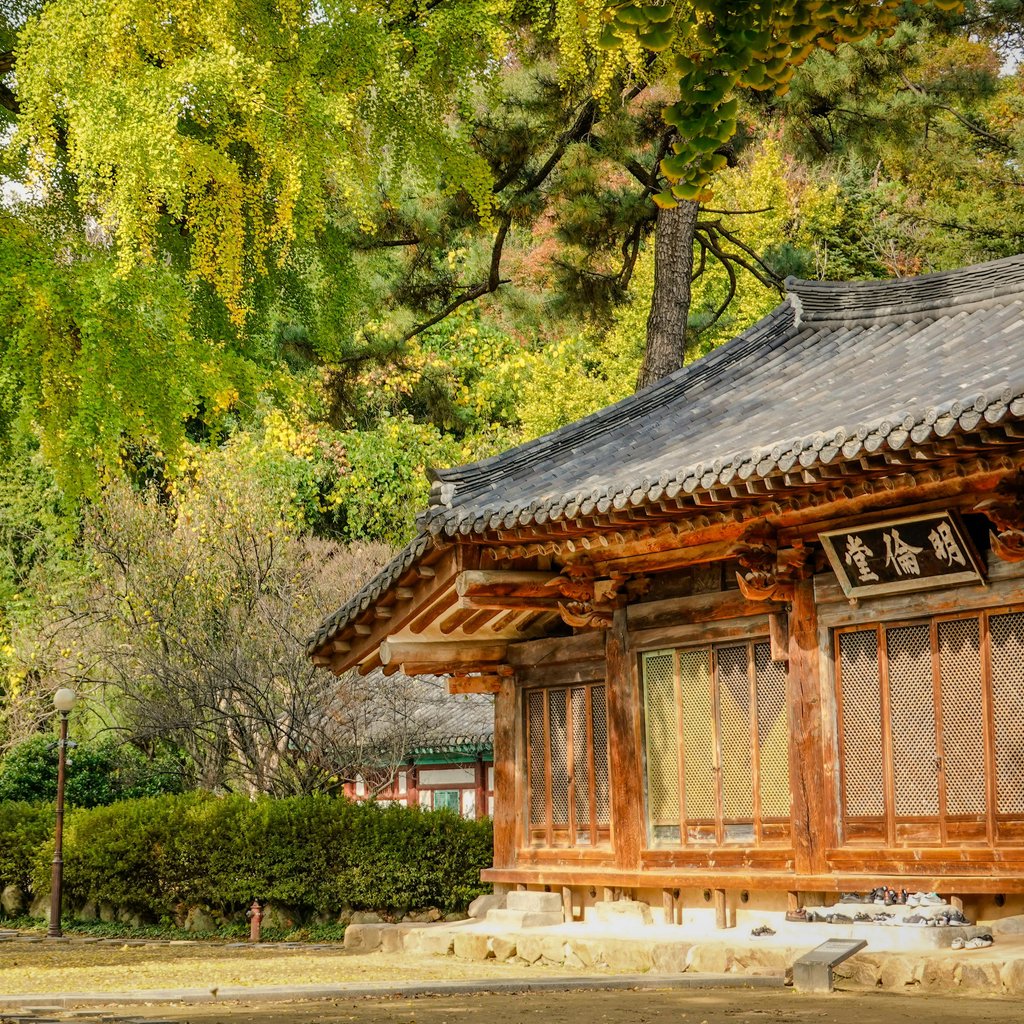
Beautiful autumn scene at Jeonju Hyanggyo with traditional Korean architecture.
Yanto Sam, Pexels

Jeonju is a distinctive destination in South Korea, primarily known for its beautifully preserved Jeonju Hanok Village and its status as a UNESCO City of Gastronomy. It offers a deep dive into traditional Korean culture and a delightful culinary journey. The city provides a tranquil retreat from the bustling pace of larger cities.

While Jeonju maintains a relaxed pace, the Hanok Village buzzes with activity, providing opportunities to engage with fellow visitors and locals. The Nambu Traditional Market, especially its night market, is a vibrant spot to sample street food and experience the local atmosphere. Additionally, inviting cafes can be found in the Jaman Mural Village, and specific establishments like the Nomadic Brewing Jeonju Taproom offer places to socialize over drinks.

Top 6 Things to do in Jeonju

Visitors can immerse themselves in traditional Korean culture, explore historical sites, and savor the city's renowned culinary offerings.

1. Explore Jeonju Hanok Village and Rent a Hanbok

Wandering through the Jeonju Hanok Village transports one back in time, with over 800 beautifully preserved traditional Korean houses. The village is a hub for cultural experiences, including various shops, quaint cafes, and teahouses. Renting a hanbok, the traditional Korean dress, enhances the experience, allowing visitors to feel integrated into the historical setting and capture unique photographs. While bustling, the village offers many charming alleyways and opportunities for a relaxing stroll.

Cost: Hanbok rental typically ranges from 10,000 to 30,000 KRW for a few hours, depending on the style and duration. Access to the Hanok Village itself is free.

Transport: The Jeonju Hanok Village is centrally located and most other main attractions are within walking distance.

2. Savor Jeonju's Culinary Delights

As a UNESCO City of Gastronomy, Jeonju is a must-visit for food enthusiasts. The city is the birthplace of bibimbap, a signature dish often served with an array of flavorful side dishes. Exploring the lively Nambu Traditional Market, especially its vibrant night market (held on Fridays and Saturdays), provides a fantastic opportunity to sample various local snacks and street food like tteokbokki, freshly made kimchi, torch-grilled dishes, and unique skewers.

Cost: Costs vary by dish and vendor. Bibimbap at a restaurant typically ranges from 8,000-15,000 KRW. Street food items at Nambu Night Market are generally priced under 6,000 KRW.

Transport: Nambu Traditional Market is located at the edge of the Hanok Village, approximately a five-minute walk.

3. Visit Gyeonggijeon Shrine and Royal Portrait Museum

Located in the heart of Jeonju Hanok Village, Gyeonggijeon Shrine is an essential historical site built in 1410 to house the portrait of King Taejo, the founder of the Joseon Dynasty. The expansive compound offers a serene environment for a leisurely walk amidst beautiful shrines and lush tree groves, including a popular bamboo forest perfect for photographs. The Royal Portrait Museum, situated within the shrine grounds, displays various portraits of Joseon emperors.

Cost: Admission is 3,000 KRW for adults.

Transport: Gyeonggijeon Shrine is centrally located within the Hanok Village and easily accessible on foot.

4. Wander Through Jaman Mural Village

Perched on a hillside adjacent to the Hanok Village, Jaman Mural Village is a vibrant district adorned with colorful and diverse murals. These artistic expressions depict scenes from Ghibli movies, famous personalities, and other creative drawings, offering excellent photo opportunities. The village also features quirky coffee shops and cafes, many with outdoor terraces that provide beautiful views overlooking the Hanok Village.

Cost: Exploring the village is free. Cafe prices vary.

Transport: Jaman Mural Village is a short walk from the Hanok Village, typically around 10 minutes, involving a slight uphill climb.

5. Ascend Omokdae and Imokdae

Omokdae and Imokdae are historically significant sites offering panoramic views of the entire Jeonju Hanok Village. Omokdae Pavilion commemorates a victory by Yi Seong-gye (King Taejo) against Japanese invaders. Imokdae, nearby, is associated with his ancestors. The ascent involves some stairs but is generally manageable, leading to a rewarding vista of traditional rooftops against the modern city backdrop.

Cost: Admission to Omokdae and Imokdae is free.

Transport: Omokdae is located on a hill overlooking the Hanok Village and is accessible on foot, about a 5-10 minute walk from the village center.

6. Discover Jeondong Catholic Cathedral

Jeondong Catholic Cathedral, an architectural masterpiece completed in 1914, is one of Korea's oldest and most beautiful Catholic churches. Its striking gray and red brick facade, combined with Byzantine and Romanesque architectural styles, makes it a significant landmark. The cathedral stands on the site where Catholic martyrs were executed during the Joseon Dynasty, adding to its historical weight. It offers a peaceful retreat and is a notable photographic spot near the Hanok Village.

Cost: Entry to Jeondong Catholic Cathedral is free.

Transport: The cathedral is located directly at the entrance of Jeonju Hanok Village, making it easily accessible on foot from within the village.

Discover destinations in South Korea