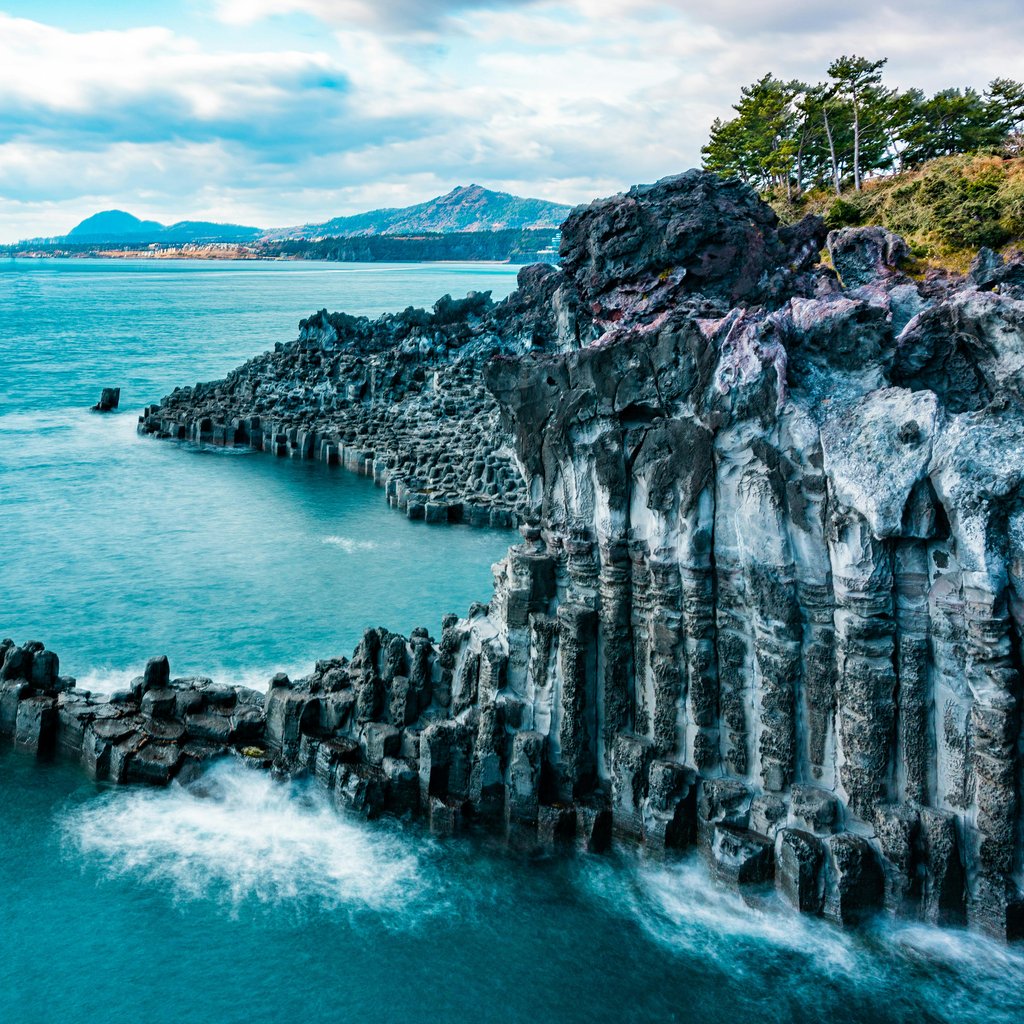
Jeju Island

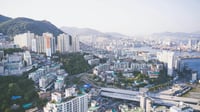
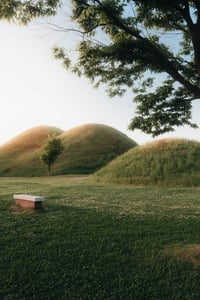
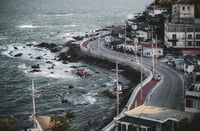
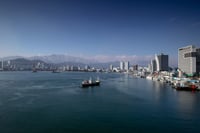
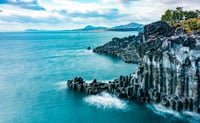
A breathtaking view of Jeju's volcanic cliffs with turquoise waters and dramatic scenery.
Ethan Brooke, Pexels

Jeju Island, often referred to as the 'Hawaii of Korea,' offers a blend of stunning volcanic landscapes, pristine beaches, and rich cultural experiences. It attracts visitors seeking outdoor adventures, natural beauty, and a tranquil escape.

While Jeju Island does not feature distinct districts solely for socializing with other tourists or backpackers, vibrant local markets like Dongmun Market and Seogwipo Maeil Olle Market provide lively atmospheres with street food and local delicacies. Additionally, areas such as Aewol are known for their cafe culture, offering relaxed settings with ocean views where visitors can gather.

Top 6 Things to do in Jeju Island

Jeju Island offers a diverse range of experiences, from exploring volcanic landscapes and engaging in outdoor activities to immersing oneself in local culture, relaxing on scenic beaches, and enjoying unique culinary delights.

1. Hallasan National Park Hike

Hallasan National Park, home to South Korea's highest peak, Mount Hallasan, provides an invigorating experience with its varied hiking trails and panoramic island views. The Seongpanak and Gwaneumsa trails lead to the summit, offering a challenging yet rewarding climb through diverse ecosystems. For those seeking a less strenuous option, the Eorimok and Yeongsil trails present accessible routes. Reservations are required for the summit trails and can be made online.

Cost: Park admission is free. Parking fees for vehicles range from approximately 1,000 KRW to 1,800 KRW depending on size. Summit trail reservations are free of charge.

Transport: To reach the Seongpanak trailhead, take bus #281 from Jeju City or Seogwipo, which takes about 30 minutes. Bus fares typically range from 1,150 KRW (using a T-money card for regular buses) to 3,000 KRW for express routes. A taxi from Jeju Intercity Bus Terminal to Seongpanak Trailhead costs around 20,000 KRW and takes approximately 35 minutes. A taxi between the Seongpanak and Gwaneumsa trailheads is approximately 15,000 KRW.


2. Seongsan Ilchulbong (Sunrise Peak) & Haenyeo Show

Seongsan Ilchulbong, a UNESCO World Heritage site, is an impressive volcanic tuff cone known for its stunning sunrise vistas. A manageable 20-30 minute uphill climb leads to the crater rim, offering breathtaking views of the coastline. At the base of the peak, visitors can witness the captivating performance of the Haenyeo, Jeju's iconic female divers, demonstrating their unique free-diving culture.

Cost: Entrance to Seongsan Ilchulbong is 5,000 KRW for adults. The Haenyeo diving performance is free to watch. Arriving early for sunrise may allow free entry if the ticket counter is unstaffed.

Transport: From Jeju City Bus Terminal, buses 111, 112, 211, or 212 will take approximately 1.5 hours to reach the Seongsan Ilchulbong Entrance bus stop. Standard bus fares apply. A taxi from the Jeju Haenyeo Museum area to Seongsan Ilchulbong Peak costs between 17,000-21,000 KRW, taking around 12 minutes.

3. Udo Island Day Trip

A short ferry ride transports visitors to Udo Island, a tranquil offshore gem known for its picturesque coastal scenery, unique volcanic rock formations, and charming cafes. Explore the island's distinct character by cycling along its scenic routes, taking a coastal tour bus, or renting an electric scooter. Discover beautiful spots like Geommeolle Beach and Seobinbaeksa, and savor local specialties such as peanut ice cream and fresh seafood.

Cost: A round-trip ferry ticket for adults typically ranges from 8,500 KRW to 10,000 KRW. An international passport is required for ferry ticket purchase. Once on Udo, an electric bike rental for the day costs around 20,000 KRW, or a coastal tour bus ticket is approximately 6,000 KRW.

Transport: Ferries depart from Seongsan Port on Jeju Island to Udo's Cheonjin or Haumokdong ports, with the journey lasting about 15 minutes. Seongsan Port is accessible by bus #201 from Jeju Bus Terminal. A taxi from Seogwipo to Seongsan Port could cost approximately 46,000 KRW.

4. O'sulloc Tea Museum & Innisfree Jeju House

Immerse oneself in Korea's rich tea culture at the O'sulloc Tea Museum, set amidst sprawling green tea fields. The museum offers insights into tea history and production, with opportunities to sample various green teas and indulge in unique tea-infused desserts at the cafe. Adjacent to the museum, the Innisfree Jeju House features natural beauty products derived from Jeju's resources, along with a serene cafe area and interactive experiences.

Cost: Admission to both the O'sulloc Tea Museum and Innisfree Jeju House is free. Costs for refreshments, souvenirs, or optional activities like tea classes or soap making (20,000-35,000 KRW) are additional.

Transport: From Jeju City Bus Terminal, bus 151 provides direct access to the 'Osulloc (오설록)' bus stop in approximately 1 hour. By taxi, it takes around 30 minutes from Jeju International Airport or 20 minutes from Seogwipo.

5. Jeju Olle Trail Walk (Selected Route)

The Jeju Olle Trail is a renowned network of walking paths that encircle the island, offering a unique way to experience its diverse landscapes. Each of the 28 routes presents a different facet of Jeju's natural beauty, from dramatic coastal cliffs and pristine beaches to tranquil forests and charming villages. Route 6 and Route 7 are popular choices known for their scenic variety and accessibility, allowing for a leisurely walk or a more active hike.

Cost: Walking the Jeju Olle Trail is free. Some tour groups offer guided walks, but self-guided exploration is common.

Transport: Various Olle Trail routes are accessible via Jeju's extensive public bus network. The Jeju Olle Centre in Seogwipo serves as a central hub for many routes, reachable by intercity buses. Bus fares are typically 1,150 KRW with a T-money card for standard routes. Taxis are also readily available for more direct access to trailheads, with costs varying based on distance (e.g., a taxi for an hour-long journey could cost 39,000 KRW or more, while shorter trips range from 5,000-15,000 KRW).

6. Dongmun Traditional Market Exploration

Located in Jeju City, Dongmun Traditional Market is the island's oldest and largest permanent market, offering a vibrant sensory experience. It's an ideal place to sample local delicacies, including fresh seafood, the famous Jeju black pork, and Hallabong tangerines. The market features a bustling daytime atmosphere with fresh produce and traditional goods, transforming into a popular night market with lively street food stalls in the evenings.

Cost: Entrance to Dongmun Market is free. Costs for food and souvenirs vary, with street food offering affordable dining options.

Transport: The market is conveniently located in Jeju City and is within walking distance (approximately 1 km) from many coastal hotels. It is also about a 15-minute drive from Jeju International Airport. Public buses provide easy access, and taxis are readily available.

Discover destinations in South Korea