Sokcho

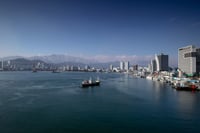
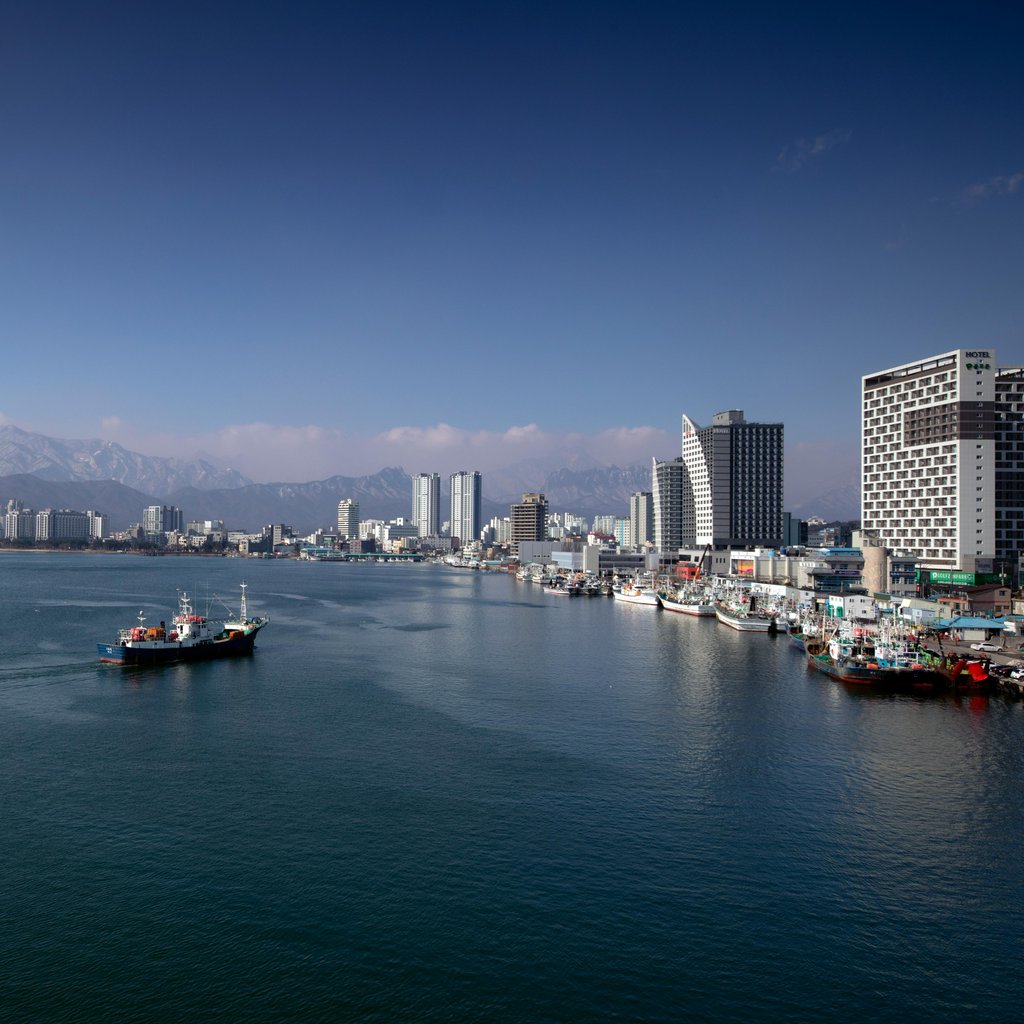
A vivid aerial shot capturing the vibrant port and skyline of Sokcho, South Korea.
정규송 Nui MALAMA, Pexels

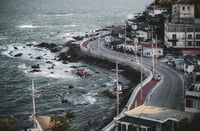
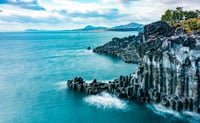
Sokcho, situated on South Korea's northeast coast, is a city that offers a blend of natural beauty and cultural experiences. It serves as a gateway to the dramatic peaks and diverse trails of Seoraksan National Park, while also providing access to the calming shores of the East Sea. The city is renowned for its fresh seafood markets and unique cultural heritage.

For those seeking to connect with other travelers, the coastal area near Sokcho Beach offers a lively atmosphere, particularly during the summer, with various budget-friendly accommodation options and eateries. The vicinity of the Sokcho Tourist Information Center is also a known hub for backpackers due to convenient transportation and social hostels. While there are places to socialize, Sokcho is not known for a vibrant nightlife, with most establishments closing early.

Top 5 Things to do in Sokcho

Sokcho offers a variety of experiences, from exploring majestic mountain landscapes and serene coastal views to immersing oneself in unique cultural heritage and vibrant local markets.

1. Seoraksan National Park

Seoraksan National Park is a grand natural area with dramatic peaks, lush valleys, and clear streams. Visitors can explore various hiking trails, such as the challenging path to Ulsanbawi Rock for panoramic views, or enjoy a more relaxed experience by taking the Gwongeumseong Fortress Cable Car, which offers breathtaking scenery without extensive walking. The park also features the peaceful Sinheungsa Temple and a large bronze Buddha statue near its entrance.

Cost: Park entrance is free. Parking fees apply if driving. The Seoraksan Cable Car costs 15,000 KRW for adults (ages 12 and above), 11,000 KRW for children (ages 37 months to 11), and 13,500 KRW for seniors (age 65 and above) for a return trip. Tickets are purchased on-site on the day of visit and are subject to weather conditions.

Transport: The park entrance is about a 30-minute bus ride from Sokcho city center. Buses 7 and 7-1 provide direct access. Taxis are also available.


2. Abai Village & Gaetbae Ferry

Abai Village is a distinctive settlement founded by North Korean refugees during the Korean War, preserving a unique cultural and historical atmosphere. Visitors can walk through quaint alleyways, observe rustic homes, and learn about the village's past. It is famous for its local North Korean-style cuisine, particularly Abai Sundae (a type of sausage, often squid-stuffed). A notable experience is riding the Gaetbae Ferry, a small, manually-operated cable raft that connects the village to the mainland.

Cost: The Gaetbae Ferry costs 200 KRW for a one-way ride.

Transport: The village is accessible by the Gaetbae Ferry from near the Sokcho Tourist & Fishery Market, or by a short taxi ride from other parts of Sokcho.

3. Sokcho Jungang Market (Sokcho Tourist & Fishery Market)

This bustling market is a central point for experiencing local life and cuisine in Sokcho. It offers a wide array of fresh seafood, which can often be prepared on the spot, alongside various local snacks and traditional Korean dishes. The market is especially renowned for its Dakgangjeong, a crispy fried chicken coated in a sweet and tangy sauce, and squid sundae. It is an ideal place to sample authentic flavors and purchase souvenirs.

Cost: Costs vary depending on purchases; generally, food is more affordable than in restaurants.

Transport: The market is located in the city center, just north of Cheongcho Lake, and is an easy walk from nearby accommodations or the Sokcho Intercity Bus Terminal. Taxis are also a convenient option.

4. Naksansa Temple

Naksansa Temple is a 1300-year-old Buddhist temple situated dramatically on a cliff overlooking the East Sea. The temple complex provides a serene and spiritual atmosphere, featuring ancient halls, tranquil gardens, and a towering statue of the Bodhisattva (Haesu Gwaneum). The Uisangdae Pavilion within the temple grounds offers particularly breathtaking panoramic views of the ocean.

Cost: The entrance fee is approximately 3,000 KRW. Parking costs 4,000 KRW.

Transport: Naksansa Temple is located between Sokcho and Yangyang. Visitors can take local bus Line 9 from Sokcho to Naksan Beach, followed by a short walk to the temple. Taxis are also readily available.

5. Sokcho Beach & Yeonggeumjeong Pavilion

Sokcho Beach offers golden sands and clear waters, making it a pleasant spot for relaxation and seaside strolls, with views of Seoraksan Mountain in the distance. Nearby, Yeonggeumjeong Pavilion is a traditional structure located on the coastline, known for its wide-open views of the East Sea and as an excellent spot to witness the sunrise. The Sokcho Lighthouse Observatory, also in the vicinity, provides 360-degree vistas of the coast, city, and mountains.

Cost: Access to Sokcho Beach, Yeonggeumjeong Pavilion, and Sokcho Lighthouse Observatory is free.

Transport: Both locations are easily accessible from Sokcho city center. Local buses, such as Lines 9 and 9-1, run along the coast and stop at these areas.

Discover destinations in South Korea