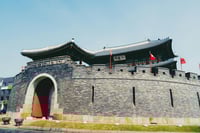
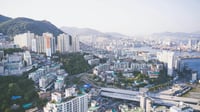
Gyeongju, often called a "museum without walls," offers a deep dive into South Korea's ancient Silla Kingdom with its numerous UNESCO World Heritage sites, including historical temples, royal tombs, and observatories. Beyond its historical significance, the city provides a relaxed atmosphere amidst picturesque natural settings like serene lakes and vibrant gardens, particularly stunning during spring cherry blossom and autumn foliage seasons.
For those looking to socialise, Hwangridan-gil stands out as a lively district. This area blends traditional hanok-style buildings with modern cafes, restaurants, and unique shops, making it a popular spot for visitors to gather and enjoy the local scene. The Bomun Lake area also features various hotels and cafes, offering a more resort-like setting for relaxation and leisure.
Top 8 Things to do in Gyeongju
Exploring historical UNESCO World Heritage sites, engaging with local culture, and enjoying tranquil natural settings are primary activities.
1. Bulguksa Temple
Visiting Bulguksa Temple offers an immersive experience into a significant piece of Korean Buddhist history and exquisite Silla architecture. This UNESCO World Heritage site features stunning stone pagodas, detailed wooden carvings, and peaceful gardens. Exploring the sprawling complex allows for a deeper appreciation of its historical and artistic value. Look for the colorful lanterns and ancient structures that narrate centuries of faith and craftsmanship.
Cost: Adult entrance fee is approximately 6,000 KRW.
Transport: From Gyeongju Intercity Bus Terminal or Gyeongju Station, take bus numbers 10, 11, or 700 directly to the temple. The journey takes about 40 minutes and costs around 1,500-2,000 KRW. A taxi from Gyeongju city center takes approximately 18-30 minutes and costs about 20,000-25,000 KRW.
2. Seokguram Grotto
Perched on Tohamsan Mountain, Seokguram Grotto is an artificial Buddhist cave temple recognized as a UNESCO World Heritage site. It houses a magnificent stone Buddha statue, an important example of Silla Buddhist art. Viewing the serene Buddha through the glass provides a moment of quiet reflection, though photography inside is not permitted.
Cost: Adult entrance fee is 5,000 KRW.
Transport: From Bulguksa Temple, take bus number 12. The ride to the grotto takes about 20-25 minutes and costs approximately 1,700 KRW. Be mindful of the bus schedule as it runs less frequently. Alternatively, a taxi from Bulguksa is an option, or from Gyeongju city center, a taxi journey takes about 40 minutes and costs 28,000-34,000 KRW.
3. Daereungwon Tomb Complex (Cheonmachong)
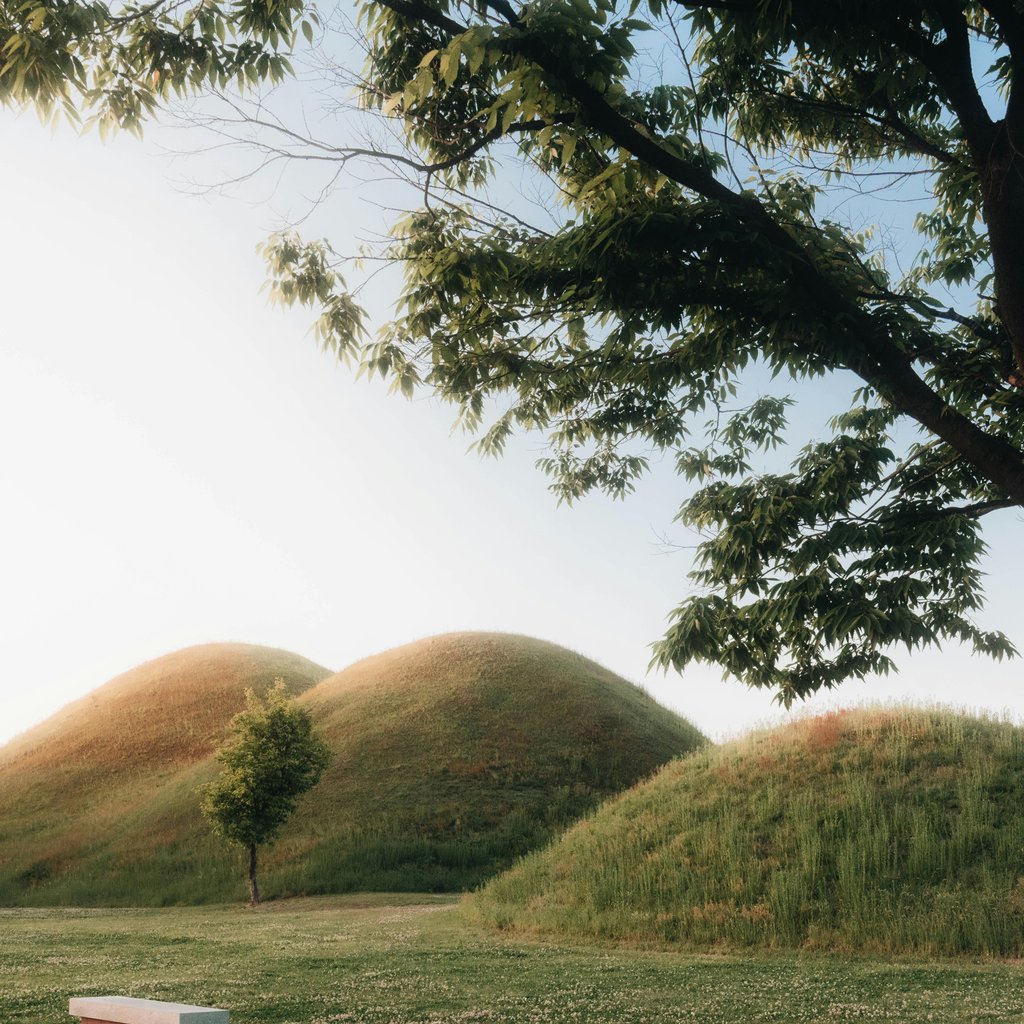
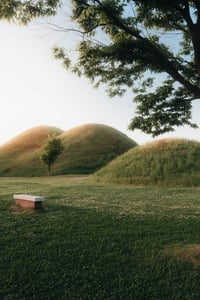
Wandering through the Daereungwon Tomb Complex, you will encounter large, grassy burial mounds of Silla monarchs and nobility. The scale of these ancient tombs is impressive. Inside the Cheonmachong tomb, one of the excavated mounds, visitors can see artifacts and a replica of a Silla horse painting, offering a tangible connection to the past.
Cost: Entrance fee for adults is approximately 3,000 KRW, which typically includes access to Cheonmachong.
Transport: The complex is within walking distance of Gyeongju city center. From Gyeongju KTX Station, take bus number 60, which takes about 16-20 minutes and costs around 2,000 KRW. A taxi from Gyeongju KTX Station is roughly a 12-minute ride costing 16,000-20,000 KRW.
4. Cheomseongdae Observatory
Standing before Cheomseongdae, the oldest astronomical observatory in Asia, one can appreciate its historical significance as a Silla scientific achievement. This stone tower is particularly enchanting during the evening when illuminated. The surrounding area often features seasonal flower fields, like pink muhly grass, providing picturesque photo opportunities.
Cost: Free to visit.
Transport: Cheomseongdae is easily walkable from Daereungwon Tomb Complex and Donggung Palace and Wolji Pond. From Gyeongju Intercity Bus Terminal, bus number 60 takes about 10 minutes and costs 2,000 KRW. A taxi from the general Gyeongju city area is a very short ride, costing approximately 5,500-7,000 KRW.
5. Donggung Palace and Wolji Pond (formerly Anapji Pond)
Experiencing the tranquil beauty of Donggung Palace and Wolji Pond is a highlight, especially at night. The reconstructed palace buildings and the serene pond create a captivating atmosphere when illuminated. Walking around the pond after dusk, as the lights reflect on the water, feels like stepping back into the Silla Kingdom. It’s arguably one of Gyeongju's most photogenic spots.
Cost: Adult entrance fee is 3,000 KRW, teenagers 2,000 KRW, and children 1,000 KRW.
Transport: This site is a pleasant 13-minute walk from Cheomseongdae Observatory or a 25-minute walk from the city center. A taxi from the general Gyeongju city area takes around 2 minutes and costs 6,500-8,000 KRW.
6. Hwangridan-gil Street
Strolling along Hwangridan-gil offers a blend of traditional Korean charm and modern vibrancy. This lively district features hanok-style buildings transformed into chic cafes, unique boutiques, and a variety of restaurants. It is an ideal place to experience local culinary delights, find souvenirs, and enjoy the contemporary side of Gyeongju's cultural scene.
Cost: Costs vary depending on purchases and dining. Many cafes and shops offer affordable options.
Transport: Hwangridan-gil is centrally located and easily walkable from major attractions like the Daereungwon Tomb Complex.
7. Bomun Lake Resort
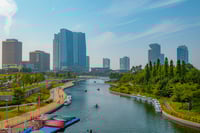
The Bomun Lake Resort provides a relaxing escape with picturesque natural settings. Taking a leisurely walk or cycling around the lake, especially during the cherry blossom season in spring or autumn foliage, reveals stunning scenery. Paddle boats shaped like ducks or swans are available for a playful experience on the water, and the area also features dining options and Gyeongju World amusement park for family-friendly entertainment.
Cost: Walking and enjoying the scenery is free. Bike rentals and duck/swan boat rentals are available, with costs varying by vendor. Access to Gyeongju World Amusement Park requires a separate entrance fee.
Transport: From Gyeongju Intercity Bus Terminal, take bus number 10 or 18 directly to Bomun Lake Resort. The ride takes approximately 20 minutes.
8. Hiking Namsan Mountain
Embarking on a hike up Namsan Mountain, known as a 'museum without walls' itself, is an active way to explore Gyeongju's historical and natural beauty. The trails weave through lush forests and past numerous ancient Buddhist relics, including rock-carved Buddhas, stone pagodas, and temple sites, offering panoramic views of the city. It’s a rewarding experience for those who appreciate both nature and history.
Cost: Free for hiking the trails.
Transport: To reach the trailheads, take a local bus from Gyeongju city center. The Samneung trailhead is a popular starting point. A taxi can also take you closer to various starting points. Hiking durations vary, with some popular loops taking around 4-6 hours.
At TFA Travel we believe in travel for all. Our mission is to enable people to explore the world as easily as possible without having to pay a travel agent a huge commission.
Our typical audience are those that want to see something new and get involved with authentic experiences of a country. Whether you are a backpacker, solo traveller, solo female traveller, straight or LGBTQ+ couple, family, you will find local and authentic experiences here.