Andong

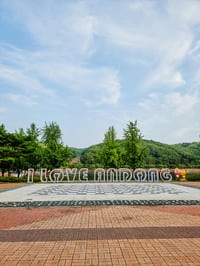
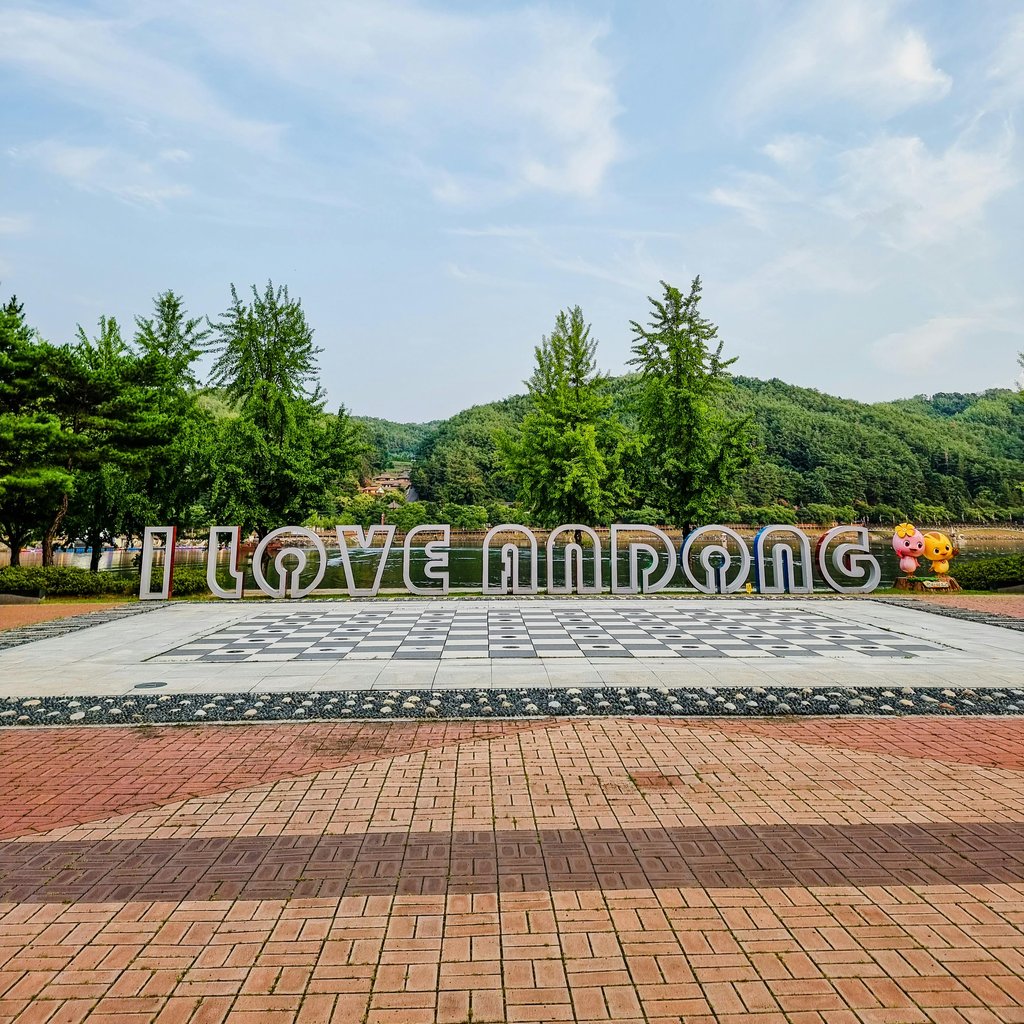
Scenic view of Andong city park with iconic 'I Love Andong' sign.
Naufal Shidqi, Pexels

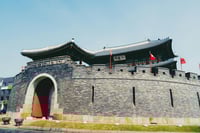
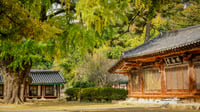
Andong stands as a quintessential destination for experiencing the deeply rooted traditional culture and history of South Korea. It is notably home to several UNESCO World Heritage sites, including the well-preserved Hahoe Folk Village, ancient Confucian academies, and historic Buddhist temples, offering a journey into the Joseon Dynasty's heritage.

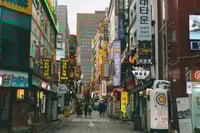
While Andong does not feature dedicated districts for vibrant nightlife or backpacker socializing, the Andong Old Market serves as a bustling hub where visitors can engage with local life, sample traditional foods, and purchase souvenirs. The annual Andong International Mask Dance Festival provides a significant cultural gathering point, fostering a lively atmosphere for interaction. Traditional hanok stays within Hahoe Folk Village also offer opportunities for quiet engagement with fellow travelers seeking authentic experiences.

Top 7 Things to do in Andong

Andong offers a journey into the heart of traditional Korean culture, providing opportunities to explore ancient villages, revered Confucian academies, tranquil temples, and local culinary delights.

1. Hahoe Folk Village (하회마을)

Stepping into Hahoe Folk Village felt like traveling back to the Joseon Dynasty. This UNESCO World Heritage site is a living museum, featuring well-preserved traditional hanok houses set against a scenic backdrop of mountains and the Nakdong River. I wandered through its narrow alleys, observing the unique architecture and sensing the deep-rooted history. The village also hosts captivating Hahoe Mask Dance performances, which offer a lively insight into Korean folklore and satire, along with the Hahoe World Mask Museum displaying various traditional masks. For a broader perspective, you can also view the village from Buyongdae Cliff across the river.

Cost: The entrance fee is ₩5,000 per adult, which includes access to the village, the Hahoe Mask Dance Performance, the Hahoe World Mask Museum, and the internal shuttle bus.

Transport: From Andong city center, I took bus number 246 (or 210) from stops like Kyobo or the Andong Bus Terminal, which took approximately 50 minutes and cost around ₩1,300. Upon arrival at the parking area, a free shuttle bus is available to take you directly into the village, or you can walk for about 15 minutes. A taxi from Andong Station to Hahoe Folk Village typically costs around ₩22,000.


2. Andong Jjimdak (안동 찜닭)

A visit to Andong would be incomplete without savoring Andong Jjimdak, the city's signature braised chicken dish. I found the best experience at Andong Market's Jjimdak Alley, where numerous restaurants specialize in this flavorful meal. It features tender chicken, various vegetables, and glass noodles, all simmered in a savory and often slightly spicy soy-based sauce. It is often served in generous portions, making it ideal for sharing.

Cost: A medium-sized portion suitable for 2-3 people costs approximately ₩25,000.

Transport: Andong Market, home to Jjimdak Alley, is located in downtown Andong and is easily accessible on foot or by local bus from most central accommodations.

3. Woryeonggyo Bridge (월영교)

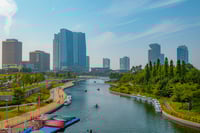
I enjoyed a stroll across Woryeonggyo Bridge, the longest wooden footbridge in Korea. It is especially enchanting in the evening when the bridge lights up, creating a romantic reflection on the Nakdong River. The bridge symbolizes a poignant love story, shaped like traditional hemp shoes (mituri) woven from a woman's hair for her late husband. From the central pavilion on the bridge, I took in the scenic views of the river and surrounding mountains. Moon boat rides are available on the river nearby for a different perspective.

Cost: Free to walk across the bridge. Moon boat rides cost around ₩28,000 for up to three passengers. Parking may incur a small fee (₩1,000-₩2,000 per hour).

Transport: I took bus number 46 from the Andong Bus Terminal, which took about 20 minutes and cost around ₩1,200. Alternatively, a taxi from most points in Andong costs approximately ₩5,000-₩7,000.

4. Byeongsanseowon Confucian Academy (병산서원)

Visiting Byeongsanseowon, another UNESCO World Heritage site, offered a profound sense of tranquility. This historic Confucian academy is beautifully situated along the Nakdong River, with Byeongsan Mountain forming a natural screen behind it. I appreciated its well-preserved traditional architecture and the serene environment, which once served as a place of study and ancestral rites for respected scholars. The Mandaeru, an open pavilion, provides stunning views of the river and mountains.

Cost: Admission is free.

Transport: Byeongsanseowon is often visited after Hahoe Folk Village due to its proximity. I took bus number 246 (or 46) from the Andong Bus Terminal, which sometimes continues to Byeongsanseowon after Hahoe Village. Bus services can be infrequent (around two times a day), so checking schedules or taking a taxi is advisable, especially for the return journey.

5. Bongjeongsa Temple (봉정사)

I found a peaceful retreat at Bongjeongsa Temple, a UNESCO World Heritage site nestled in a secluded mountainous area. It is significant for housing Geuknakjeon, considered one of Korea's oldest wooden buildings, dating back to the Goryeo Dynasty. Walking through the temple complex, I admired the traditional Buddhist architecture, peaceful courtyards, and the serene natural surroundings, which have largely shielded it from historical conflicts.

Cost: A small admission fee applies.

Transport: From Andong Station or the bus terminal, I took bus number 310 or 급행2. The journey takes approximately 20-30 minutes, but bus services are infrequent, with only about six departures daily. Checking the updated bus timetable at the information booth is recommended.

6. Dosanseowon Confucian Academy (도산서원)

Exploring Dosanseowon provided another glimpse into Korea's rich Confucian heritage. This academy, established by the eminent scholar Toegye Yi Hwang in the 16th century, served as a vital center for learning and scholarly pursuits during the Joseon Dynasty. I walked through its well-preserved lecture halls and living quarters, absorbing the tranquil and contemplative atmosphere. The surrounding natural landscape complements the traditional architecture beautifully.

Cost: Adults pay a fee of ₩2,000.

Transport: Dosanseowon is located further north of Andong city. Local buses connect to the academy, though it's recommended to check specific schedules as public transport can be less frequent for this site.

7. Andong Soju Museum (안동소주•전통음식박물관)

To understand more about Andong's culinary heritage beyond Jjimdak, I visited the Andong Soju Museum. It offers insights into the traditional distillation process of Andong Soju, a renowned local distilled spirit, and its cultural significance. The museum provides an educational experience on this unique beverage.

Cost: Costs can vary; specific recent prices were not prominently available, but general museum fees in Korea are typically nominal (a few thousand KRW).

Transport: The museum is located closer to the Andong Dam area, near Woryeonggyo Bridge. It can be reached by local bus or taxi from the city center.

Discover destinations in South Korea